 Clearwater Siding
 Skycrest's Siding Has a Harder Job Than Most
Skycrest is one of Clearwater's older, established residential neighborhoods, and that means a lot of the homes here are still wearing siding that was installed decades ago, sometimes more than once. Whatever is on the walls right now — old lap siding, a tired vinyl retrofit, painted wood boards — it has been fighting the same battle every day since it went up: intense Gulf Coast sun, salt-laden air moving in off the water, sudden wind-driven rain, and the occasional direct hit from a tropical system. None of that is unique to Skycrest, but it is relentless in Pinellas County in a way that inland siding simply doesn't experience.
When we talk to Skycrest homeowners about siding replacement, the conversation is rarely just "the paint looks bad." It's usually a mix of concerns: soft spots near the ground, seams that have opened up, panels that flex or rattle in wind, or a general sense that the exterior is due. Understanding why those problems show up here, and what it actually takes to fix them correctly, is the difference between a replacement that lasts and one you're doing again in ten years.
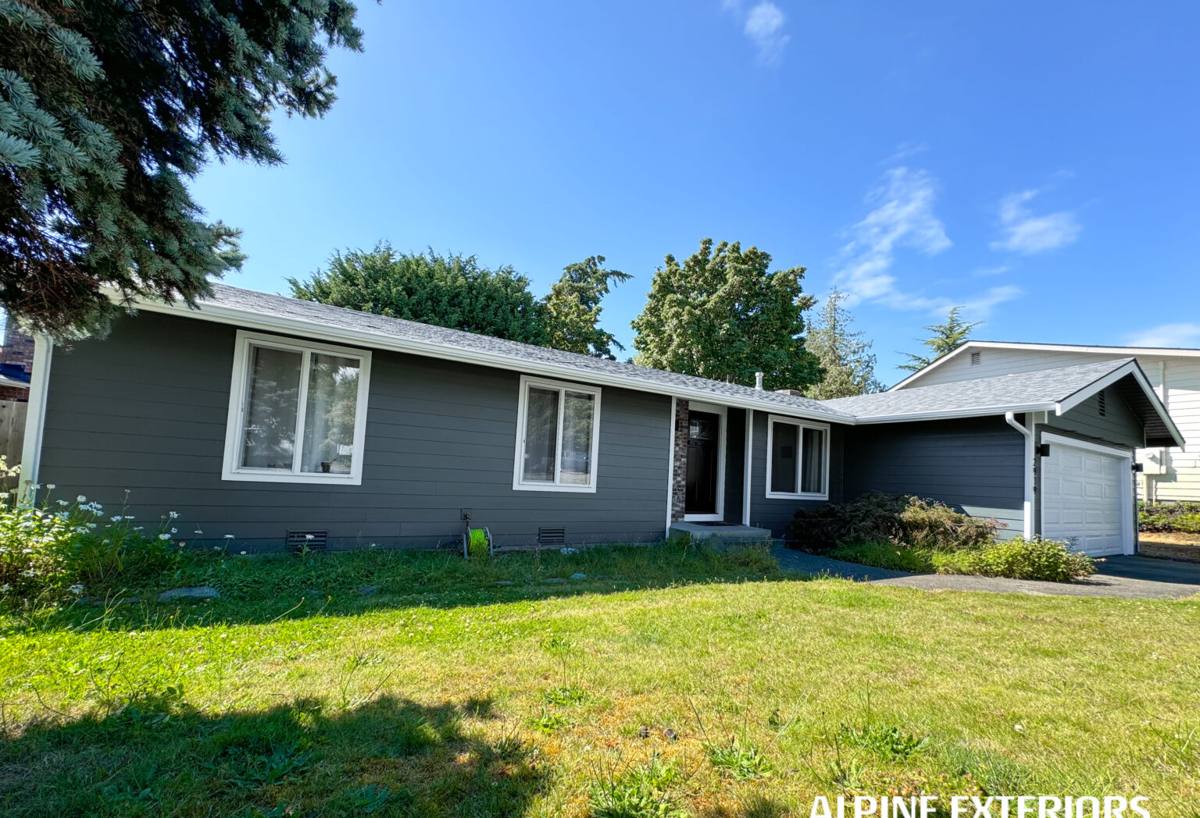
What Clearwater's Climate Actually Does to Siding
UV and Heat
Florida sun is not gentle on painted or coated surfaces. Year-round UV exposure breaks down pigments and surface coatings, which is why older siding in this area chalks, fades unevenly, and needs repainting far more often than the same product would in a milder climate.
Salt Air
Clearwater's proximity to the Gulf means airborne salt is a constant, even a few miles inland. Salt accelerates corrosion on fasteners and trim, and it degrades certain siding substrates faster than plain moisture would on its own.
Wind-Driven Rain
Rain in this region rarely falls straight down. Wind pushes it sideways and up under laps, seams, and trim, which means the water management behind the siding — the parts you never see — matters as much as the visible material.
Hurricane-Force Wind
Pinellas County sits squarely in a wind-load zone that Florida's building code takes seriously. Siding here isn't just decorative; it's a component that has to stay fastened and intact through sustained high winds and windborne debris, or it becomes the source of the next repair.
Why Older Skycrest Homes Are Especially at Risk
A lot of Skycrest's housing stock predates the current generation of climate-engineered siding products. That means many homes are still carrying original or first-replacement siding that was never designed with today's wind and moisture standards in mind. Older wood siding is prone to rot at butt joints and ground contact points. Aging vinyl becomes brittle in UV and can crack or blow off in storms. Some homes have had multiple siding layers added over the years without addressing what's failing underneath, which just traps moisture against the sheathing and hides the real problem until it's a structural one.
This is why we don't treat siding replacement as a cosmetic swap. On a home this age, in this climate, a proper replacement means opening the wall up, finding out what's actually happening behind the old siding, and fixing the water management system before a single new board goes up.
What a Correct Siding Replacement Actually Involves
A lot of siding jobs in Florida fail early not because of the material, but because of what got skipped underneath it. Here's what we consider non-negotiable on every Skycrest project:
- Full tear-off of the failing siding, not an overlay
- Inspection of the sheathing and framing for rot, moisture damage, or pest damage before covering it back up
- Repair or replacement of any compromised structural wood before new siding goes on
- Installation of a code-compliant weather-resistant barrier, correctly lapped to shed water downward
- Properly flashed windows, doors, and penetrations so wind-driven rain has nowhere to get behind the cladding
- Fastening pattern and fastener type matched to the wind zone and the manufacturer's engineering specs
- Correct trim, caulking, and paint system to seal the finished exterior against UV and salt exposure
Skip any one of these steps and you can still end up with a house that looks great for the first year or two, then starts showing the same soft spots and open seams that got you into a replacement in the first place.
Why We Only Install James Hardie Fiber Cement
We standardized on James Hardie fiber cement siding, and we don't install vinyl, LP SmartSide, Cemplank, Allura, primed spruce, or cedar. That's a deliberate call, not a default. Vinyl softens, warps, and can pull loose in sustained high wind, which is a real liability on a Pinellas County home. Wood and wood-composite products need more diligent, ongoing maintenance to resist rot and insect damage in a humid coastal environment, and any gap in that maintenance shows up fast here. Fiber cement, installed correctly, holds its shape in heat, resists moisture intrusion into the board itself, and is non-combustible.
James Hardie's HZ5 product line is engineered specifically for climates like ours — hot, humid, and prone to wind-driven rain — with a factory-applied ColorPlus finish that's baked on rather than field-painted, which matters enormously under constant Florida UV. It carries a strong transferable warranty, which is worth something to a Skycrest homeowner who may sell the house down the line. We're not saying every other siding product is worthless; we're saying that after years of working on Gulf Coast homes, this is the system we're willing to put our name behind.
Comparing Siding Options for a Coastal Neighborhood
| Material | UV/Fade Resistance | Wind Performance | Moisture Behavior | Maintenance |
|---|---|---|---|---|
| Vinyl | Fades and chalks over time | Can crack or blow off in high wind | Doesn't rot, but seams can trap water behind it | Low, but limited repair options once damaged |
| Wood / Cedar | Needs repainting or staining regularly | Adequate if well-fastened | Vulnerable to rot and insect damage in humidity | High — ongoing sealing and inspection required |
| LP SmartSide (engineered wood) | Moderate, coating dependent | Good if installed to spec | Edge/moisture sensitivity if caulking and flashing lapse | Moderate — relies on maintained coating |
| James Hardie Fiber Cement | Factory ColorPlus finish resists fading | Engineered HZ5 line for high-wind, coastal zones | Non-combustible substrate, resists moisture-driven swelling | Low — occasional caulk/paint touch-up |
What Drives the Cost of a Skycrest Siding Replacement
Every home is different, but a few factors consistently move the price on jobs in this neighborhood:
| Factor | Why It Matters Here |
|---|---|
| Extent of hidden sheathing damage | Older Skycrest homes with prior water intrusion often need sheathing repair before new siding goes on |
| Number of layers being removed | Some homes have siding installed over siding, which adds tear-off labor |
| Trim and architectural detail | Corner boards, window trim, and fascia work add time regardless of the main field material |
| Board profile and color selection | Custom ColorPlus colors and specialty profiles carry different material costs |
| Permitting and wind-zone compliance | Pinellas County inspections require documentation of fastening and product wind ratings |
We walk every home in person before quoting, because the only honest way to price this work is to see what's actually behind the existing siding.
Signs a Skycrest Home Needs Siding Replacement Now
- Soft, spongy, or visibly warped siding, especially near the ground or under windows
- Paint that's peeling or bubbling repeatedly in the same spots year after year
- Visible gaps, cracks, or separated seams between panels or boards
- Siding that flexes, rattles, or has visibly lifted after a storm
- Interior signs like peeling paint, musty odor, or staining on walls that share an exterior with the affected siding
- Rising cooling costs that suggest the wall assembly is no longer sealing properly
- Visible insect activity or soft wood at trim, corners, or fascia boards
Why a Crew That Already Works in Skycrest Matters
Siding replacement isn't just about the product going on the wall — it's about knowing how a specific neighborhood's homes were built and what tends to go wrong with them. A crew that has already worked on multiple Skycrest homes has a feel for the common construction types in this part of Clearwater, what the local permitting office expects to see in a submission, and how to sequence a job around Florida's rainy season so a home isn't left exposed longer than it has to be. That local familiarity translates into fewer surprises mid-project and a faster, cleaner permit process, both of which matter when you're trying to get a home weathertight before the next storm system rolls through the Gulf.
Our Process, Start to Finish
We keep the process straightforward and communicate at each stage:
- In-person inspection of the current siding, trim, and any visible signs of moisture or wind damage
- Honest assessment of what's salvageable versus what needs full tear-off
- A written estimate that accounts for sheathing repair, weather barrier, and Hardie material and labor separately, so you know what you're paying for
- Permit submission through Pinellas County before work begins
- Tear-off, sheathing repair, and weather-resistant barrier installation
- James Hardie installation to manufacturer and wind-zone fastening specifications
- Final trim, caulking, and site cleanup, with a walkthrough before we call the job done
If you're noticing any of the warning signs above on a Skycrest home, or you're simply due for a replacement and want it done right the first time, we're happy to come take a look. A free, no-pressure estimate gives you a clear picture of what your home actually needs — just fill out the form below.