 Clearwater Siding
 What Is Cemplank, and Why Homeowners Ask About It
If you've been getting siding quotes around Clearwater, you've probably heard more than one brand name thrown around. Cemplank is one of them — a fiber cement lap siding product that some contractors in the Tampa Bay area still quote, sometimes because it's what they've always used, sometimes because it can come in cheaper on a bid. We get asked about it often enough that we think homeowners deserve a straight answer instead of a sales pitch.
We install James Hardie fiber cement siding exclusively. Not because every other product is junk, but because after years of tearing off old siding and seeing how different brands actually hold up in Pinellas County's climate, we settled on one system we trust completely and can stand behind with a real warranty. This page explains where Cemplank fits into that picture and why we don't put it on homes.
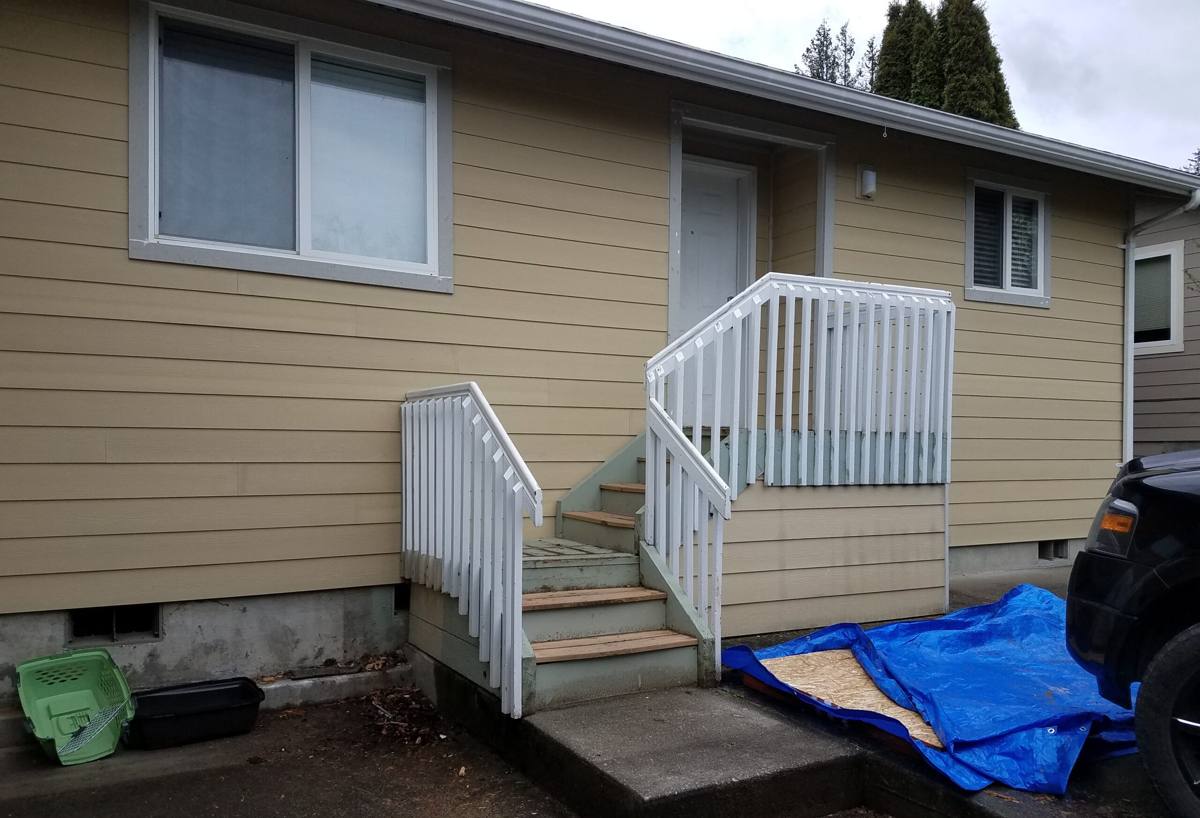
What Cemplank Gets Right
To be fair to the product: Cemplank is genuine fiber cement, not vinyl and not an engineered wood product. That matters. Fiber cement as a category is non-combustible, resists termites, and holds paint or factory finish far better than wood-based siding over the long run. If a contractor installs it correctly — proper clearances, correct fastening, sealed cut edges — it can be a reasonable, durable exterior. We're not telling you fiber cement in general is a problem. It's the opposite; it's why we build our whole business around it.
Where our concerns come in isn't the base material category — it's the specific brand, its finish system, its warranty backing, and how well-supported it is here in our market for the next 20-30 years, which is how long siding needs to last through Florida's hurricane season, salt air, and UV exposure.
The Cemplank-to-Allura Rebrand — Why It Matters to You
Here's something a lot of homeowners don't realize: Cemplank was folded into the Allura brand when its parent manufacturer consolidated its North American fiber cement lines. In practical terms, that means "Cemplank" as a standalone product line has largely been phased out and replaced by Allura in most markets, including ours.
Why does a brand name change matter to a homeowner? Because warranty claims, matching trim profiles, and replacement boards down the road all depend on a manufacturer's product line staying consistent and well-documented. When a brand gets absorbed into another one, older installations can end up in a gray area — the boards on your wall may reference a product name that's no longer actively sold, which can complicate things if you ever need a warranty repair, a color match, or replacement pieces after storm damage. We'd rather not put a product on your home that comes with that kind of question mark attached.
Where the Trade-offs Show Up in Real Installations
Factory Finish and Florida's Sun
One of the biggest differentiators in fiber cement siding is whether the color is baked on at the factory or left for the installer (or homeowner) to field-paint. A factory-applied, baked-on finish holds its color and resists fading, chalking, and peeling far longer than a job-site paint job — especially under the kind of year-round, intense UV exposure Clearwater gets. Field-applied paint on fiber cement is also more prone to early failure at cut edges and fastener heads if it isn't back-primed and sealed meticulously.
Hardie's ColorPlus finish system is engineered and warrantied specifically as a factory finish, with matching caulk and touch-up products sold to keep the whole system consistent. Alternative brands' finish options and warranty backing for their finish coatings haven't given us the same confidence, particularly for homes that sit exposed to direct afternoon sun for most of the year.
Wind-Driven Rain and Moisture Behavior
Pinellas County doesn't get gentle rain most of the year — it gets wind-driven rain that gets pushed sideways into laps, seams, and butt joints during summer storms and tropical systems. Fiber cement is inherently moisture-resistant compared to wood, but how a specific product is engineered — its density, its edge treatment, its recommended clearances — affects how well it sheds water at those joints over decades of exposure. Hardie publishes climate-zone-specific product engineering (their HZ5 line, built for high-humidity, high-moisture regions like ours) with installation specs tied directly to that engineering. We haven't seen the same level of climate-specific documentation and long-term field data from Cemplank/Allura in our market.
Local Support and Installer Network
This is the part that doesn't show up in a spec sheet but matters enormously in practice. James Hardie has a large, established network of trained, certified installers, a deep regional distributor bench, and a warranty process that's been tested over many years and many hurricanes in Florida specifically. If a color needs matching, a batch of trim needs replacing, or a warranty claim needs filing five or ten years after installation, that infrastructure is still there. With a smaller or discontinued brand, you're relying on whatever documentation and support happens to still exist — and that's a real risk on something bolted to your house for the next three decades.
Cemplank/Allura vs. James Hardie: The Practical Differences
| Factor | Cemplank / Allura | James Hardie |
|---|---|---|
| Product line status | Cemplank name largely retired, rolled into Allura | Continuously produced under one brand for decades |
| Factory finish | Finish options vary by product; less local track record | ColorPlus baked-on finish, matched caulk/touch-up system |
| Climate-zone engineering | Limited published climate-specific specs in our market | HZ5 product line engineered for high-humidity regions |
| Warranty transferability | Varies; brand transition can complicate claims | Long-standing transferable limited warranty |
| Local distributor/trim support | Thinner stocking in Tampa Bay market | Well-stocked regionally, matched accessories readily available |
| Installer network in Pinellas County | Fewer certified/specialized crews | Established base of trained, certified installers |
What We See When We Inspect Homes Sided With Off-Brand Fiber Cement
When we're called out to look at siding that's failing early or homeowners want replaced, the issues we run into with lesser-supported fiber cement brands aren't usually about the base material cracking apart. They're almost always about the finish giving out faster than expected under UV exposure, caulk joints that don't match the original product anymore because it's been discontinued, or trim pieces that a supplier can no longer source in the exact profile. None of that is necessarily the fault of the original product being "bad" — it's the downstream effect of a brand that isn't actively supported the way it was when it went on the wall.
Questions to Ask Any Contractor Quoting Fiber Cement Siding
- Is the color factory-applied, or will it need to be field-painted and repainted over time?
- Is this exact product line still in active production, or has it been rebranded or discontinued?
- Does the manufacturer publish climate-zone-specific engineering for high-humidity, storm-prone regions?
- Is the warranty transferable if you sell the home, and is it backed by a manufacturer with a real local support network?
- Can the contractor show you matching trim, corner boards, and accessories currently available for this product?
- Is the installer certified or specifically trained on this brand's fastening, clearance, and joint-sealing requirements?
Why We Standardized on James Hardie
We install one fiber cement brand, and only that brand, because it lets us stand fully behind the work. We know the fastening patterns, clearances, and flashing details Hardie's product requires, and we know the ColorPlus finish and caulk system will still be sold and supported in ten or twenty years if a homeowner needs a repair. In a county that deals with hurricane-force wind events, sustained salt air off the Gulf, and some of the most intense year-round UV exposure in the country, we'd rather narrow our focus to one system we trust completely than spread ourselves across several brands with different specs, different warranties, and different long-term track records.
That's the honest answer to "why don't you install Cemplank." It's not that the product category is bad — it's that we've chosen not to put our name behind a brand whose finish system, climate engineering documentation, and long-term regional support don't match what we've come to expect after years of siding homes in this specific climate.
If you're weighing siding options for a home in Clearwater or anywhere else in Pinellas County, we're happy to walk through what we saw when we inspected other brands, explain the Hardie product lines in plain terms, and give you a free, no-pressure estimate — no obligation, just an honest look at what your home actually needs.