 Clearwater Siding
 Siding That Has to Work in Largo's Climate, Not Just Look Good on Day One
Largo sits in the middle of Pinellas County, close enough to Tampa Bay and the Gulf to catch salt-laden air on a regular breeze, but far enough inland that homeowners sometimes assume they're spared the coastal wear that hits Clearwater Beach or Belleair directly. In practice, Largo homes deal with nearly the same combination of stresses: long stretches of intense UV, heavy summer humidity, wind-driven rain during thunderstorm season, and the real possibility of hurricane-force gusts during an active storm. Siding here isn't a cosmetic decision. It's the layer standing between your framing and a climate that doesn't let up for more than a few months a year.
We're a local exterior contractor working siding, roofing, windows, and decks across the Clearwater and Pinellas County area, and Largo is squarely in our regular service territory. When we talk about "local," we mean we've walked enough roofs and torn off enough old siding in this specific climate to know what actually fails here and what holds up.
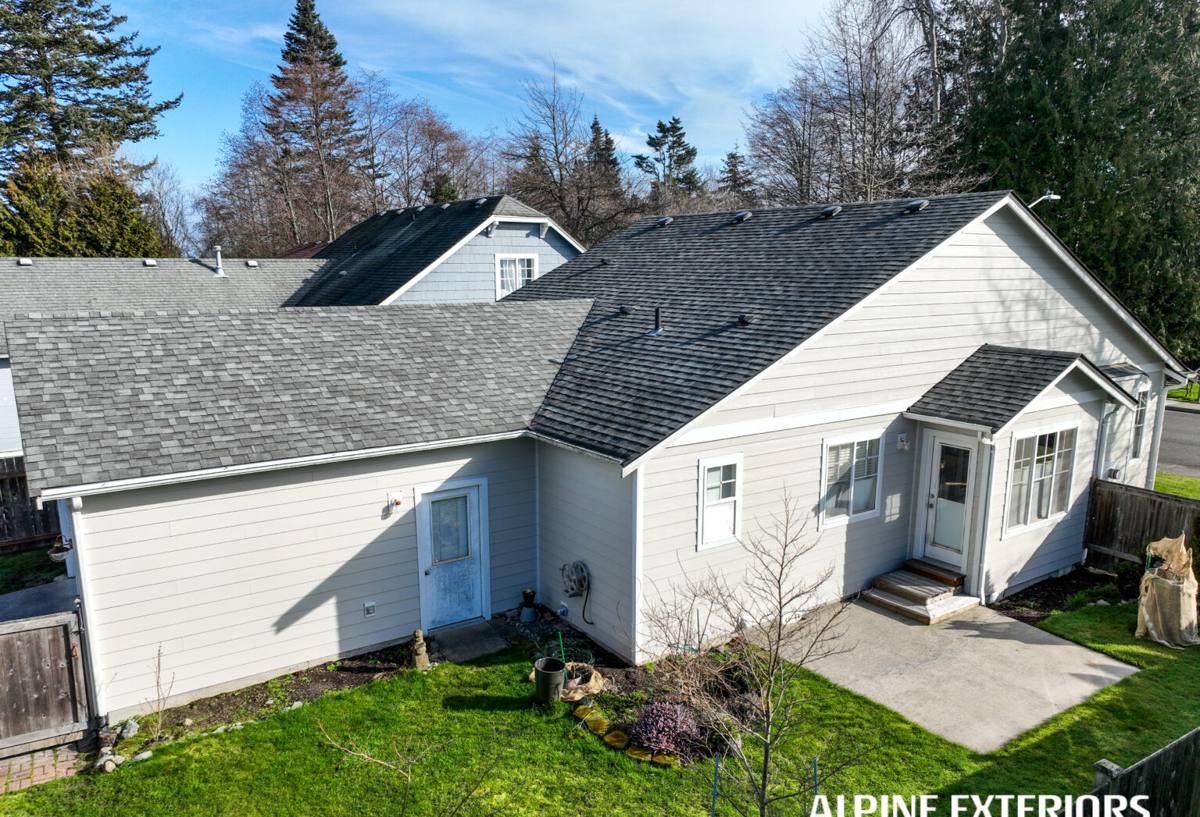
What Largo Homes Face Over Time
UV and Heat
Florida sun is relentless, and Largo gets its full share. Painted wood and many lower-cost siding products chalk, fade, or start to break down under UV exposure faster than homeowners expect. Dark colors on the sun-facing side of a house show this first, but every exposure eventually shows it.
Humidity and Moisture Cycling
Pinellas County humidity means siding is rarely fully dry. Materials that absorb moisture swell, and materials that don't manage moisture well behind the surface can trap it against sheathing. Over repeated wet-dry cycles, that's where rot, delamination, and paint failure start — usually at seams, butt joints, and anywhere flashing wasn't detailed correctly the first time.
Wind-Driven Rain and Storm Exposure
Largo isn't immune to tropical systems. Wind-driven rain doesn't just fall on a wall, it gets pushed sideways and up under laps, trim, and penetrations. Siding that isn't installed with the right clearances, fastening pattern, and flashing detail turns a heavy storm into a moisture problem months later, even if nothing looks obviously wrong from the street.
Salt Air
Largo is inland enough that salt exposure is lighter than a beachfront property, but it's not zero. Metal fasteners, trim, and hardware that aren't rated for coastal-adjacent conditions can corrode faster than homeowners expect, which is one more reason installation details matter as much as the siding material itself.
Why We Install Only James Hardie Fiber Cement
We made a deliberate decision to install one siding system: James Hardie fiber cement. We don't install vinyl, LP SmartSide, Cemplank, Allura, primed spruce, or cedar. That's not a marketing position — it's a standard we hold because of what we've seen these materials do, and not do, in exactly the climate Largo sits in.
Non-Combustible Material
Fiber cement is non-combustible. In a state where wildfire risk exists and where every homeowner is thinking about insurance, that's a material property that matters and that alternative products simply can't match.
Engineered for This Climate
James Hardie's HZ5 product line is engineered specifically for high-humidity, high-moisture climates like Florida's. That's not a generic siding product with a Florida sticker on it — it's formulated and tested for the moisture cycling and heat this region produces year after year.
Factory-Applied Finish
ColorPlus technology bakes the color onto the board at the factory under controlled conditions, rather than relying on field-applied paint that has to cure correctly in humid Florida air. That finish holds color and resists fading, chipping, and cracking far better than most on-site paint jobs, and it comes backed by its own finish warranty separate from the substrate.
Long-Term Track Record
Fiber cement doesn't rot, and it holds up to sun and moisture cycling in a way that wood-based and vinyl products struggle to match over a 20-30 year horizon. When installed to spec, it's a system designed to be the last siding job a homeowner has to think about for a long time.
How the Alternatives Compare
| Material | UV/Fade Resistance | Moisture Behavior | Wind/Impact Durability | Why We Don't Install It |
|---|---|---|---|---|
| Vinyl | Fades and can warp in heat | Handles moisture but seams can leak | Can crack or blow off in high wind | Lower wind rating and heat sensitivity in Florida sun |
| LP SmartSide | Needs field-applied or maintained finish | Wood-strand core is moisture-sensitive at cut edges | Good if installed and sealed correctly | Edge-sealing is critical and easy to get wrong in humid climates |
| Cemplank / Allura | Similar fiber cement base to Hardie | Comparable moisture performance | Comparable | We standardized on Hardie's Florida-specific HZ5 formulation, factory finish system, and warranty structure |
| Primed Spruce / Cedar | Requires ongoing repainting | Wood is naturally moisture and rot-prone | Moderate, but maintenance-dependent | Highest long-term maintenance burden in a humid climate |
| James Hardie Fiber Cement | Factory ColorPlus finish resists fading | Engineered HZ5 for humid climates | Rated for high-wind installation when installed to spec | Our standard installation |
None of these alternative products are junk — vinyl and LP SmartSide both have real places in the market. But when we weigh long-term performance against Largo's specific mix of sun, humidity, and storm exposure, fiber cement is where we've chosen to put our name and our warranty.
What Correct Installation Actually Involves
Material choice only gets a homeowner halfway there. Fiber cement siding fails prematurely almost exclusively because of installation mistakes, not the product itself. On every Largo job, that means:
- Proper clearance between the bottom of the siding and roof lines, decks, and grade, so wind-driven rain doesn't wick up into the board
- Correct fastener type, spacing, and penetration depth per Hardie's published installation guide
- Flashing and house wrap detailing at every window, door, and penetration, not just the field of the wall
- Properly sized and caulked joints, with butt joints backed and sealed correctly
- Painting or finishing any field-cut edges that expose raw fiber cement
- Following Hardie's regional application instructions for the humidity zone, which differ from installation guidance used in drier climates
Skipping any one of these doesn't usually cause an immediate, visible problem. It shows up two, five, or ten years later as a moisture stain, a soft spot, or a warranty claim that gets denied because the installation didn't meet the manufacturer's requirements. That's a big part of why installer experience matters as much as the product on the label.
Why a Local, Vetted Crew Matters
Largo homes vary — some are older concrete block construction, some are newer builds, some back up to canals or retention areas with their own moisture considerations. A crew that works this specific area regularly knows the common wall assemblies, the typical HOA expectations in Pinellas County communities, and how to sequence a siding job around Florida's afternoon storm pattern so materials and open wall sections aren't left exposed.
When you're vetting any siding contractor — us included — it's reasonable to ask about license and insurance status, whether the crew installing your job is direct employees or subcontracted labor, what manufacturer certification they carry, and whether they'll put installation details in writing before work starts. A contractor who's confident in their work will answer all of that plainly.
What a Largo Siding Project Typically Involves
Assessment
We start with an on-site look at your existing siding, sheathing condition where accessible, and any problem areas — soft spots, past water intrusion, trim damage — before recommending a scope.
Product and Color Selection
James Hardie's HZ5 lapboard, shingle, and panel lines come in a range of ColorPlus finishes and profiles. We'll walk through what fits the home's style and any HOA color requirements common in Largo neighborhoods.
Tear-Off and Prep
Old siding comes off, sheathing gets inspected and repaired as needed, and house wrap and flashing get installed or corrected before a single new board goes up.
Installation
Boards go up to Hardie's HZ5 specification with correct fastening, clearances, and joint treatment throughout.
Final Walkthrough
We review the finished work with you, including warranty paperwork, before calling the job complete.
A Quick Checklist Before You Hire Anyone for Siding Work
- Confirm the contractor is licensed and insured for exterior work in Florida
- Ask specifically what siding product and product line they're proposing, and why
- Ask how they handle flashing and moisture management at windows and doors
- Get the manufacturer warranty terms in writing, not just verbal assurance
- Ask whether their crews are direct employees or subcontracted
- Get a written scope of work before signing anything
Beyond Siding
Siding rarely sits alone as a home's only exterior concern. We also handle roofing, windows, and decks for Largo homeowners, and it's common for a siding inspection to surface a roofing or window issue worth addressing at the same time — particularly around flashing, fascia, and areas where multiple systems meet. Handling those together, when it makes sense, avoids paying for access and prep twice.
If you're in Largo and thinking about siding — whether it's full replacement, storm damage repair, or you just want an honest read on what condition your current siding is in — we're happy to come take a look. The estimate is free, there's no pressure, and you'll get a straight answer about what your home actually needs.