 Clearwater Siding
 Building a Deck That Actually Holds Up in Belleair Bluffs
Belleair Bluffs sits right along the Intracoastal in Pinellas County, which means homes here catch a different set of weather conditions than decks built further inland. A deck that's designed and installed without accounting for salt air, intense year-round UV exposure, wind-driven rain, and the possibility of hurricane-force winds will show problems years before it should — loose railings, corroded fasteners, cupped boards, soft framing. A deck built correctly for this specific environment holds up the way it's supposed to, and that starts with decisions made before a single board is cut.
This page covers what actually matters for a deck build in Belleair Bluffs: the materials that make sense here, the structural details that don't show up in photos but determine whether a deck lasts, how permitting works locally, and what our process looks like from first call to final walkthrough.
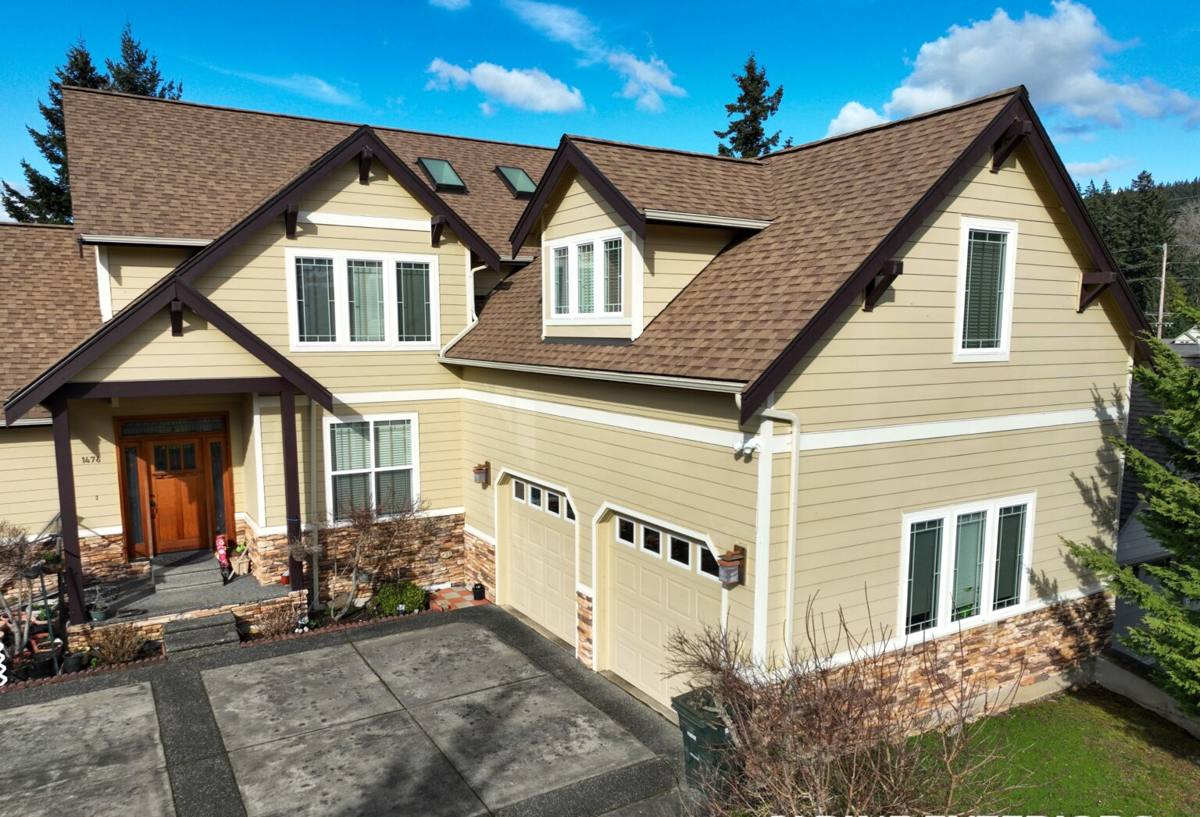
What Coastal Pinellas County Conditions Do to a Deck
Salt Air and Corrosion
Being close to the water means airborne salt settles on everything, including your deck's fasteners, hardware, and any exposed metal. Standard hardware corrodes faster here than it would in a drier, inland climate. Once a fastener starts rusting, it loses holding strength long before the rust is visible from the surface, which is part of why fastener choice matters more here than the framing lumber itself.
UV Exposure
Florida sun is intense and consistent nearly year-round. UV breaks down the surface fibers of wood decking, fades color, and degrades certain plastics and composites if they weren't formulated with adequate UV stabilizers. A deck surface that isn't rated for this level of sun exposure will look tired within a couple of seasons.
Wind-Driven Rain and Moisture
Afternoon storms here don't just fall straight down — wind pushes rain sideways and up under railings, fascia, and ledger connections. Water finds any gap in flashing or fastening and works its way into end grain and framing joints, which is where rot actually starts, usually out of sight until the damage is advanced.
Hurricane Wind Loads
Even outside of a direct hurricane hit, this area regularly sees strong straight-line winds and tropical storm systems. A deck's connection to the house, its railing system, and its footing depth all need to be built to resist uplift and lateral loads, not just support the weight of people standing on it.
Choosing a Decking Material for This Environment
There's no single "best" decking material for every home — it depends on budget, maintenance appetite, and how close the deck sits to the water. Here's how the common options actually perform in a Belleair Bluffs setting:
| Material | How It Handles Salt Air & UV | Maintenance | Typical Lifespan Here |
|---|---|---|---|
| Pressure-treated pine | Needs sealing to resist moisture and UV graying | Annual cleaning and re-sealing | 10-15 years with upkeep |
| Tropical hardwood (e.g. ipe) | Naturally dense and rot-resistant, but still grays without oiling | Periodic oiling to maintain color | 20-25+ years |
| Composite decking | Good UV and moisture resistance with modern capped boards | Occasional washing, no sealing | 25-30 years |
| PVC decking | Fully synthetic, handles salt air and sun with minimal fading | Lowest maintenance of the group | 25-30+ years |
For most Belleair Bluffs homeowners, capped composite or PVC decking makes the most sense given the salt exposure and the number of sunny days this deck will see every year — the higher upfront cost is offset by not having to strip and reseal it every year or two. That said, we install quality pressure-treated and hardwood decks too, and we'll walk through the real trade-offs for your specific project rather than pushing one product.
Framing and Fasteners: The Part You Don't See
A deck's surface material gets all the attention, but the framing underneath is what actually determines whether it's safe and long-lasting. In this environment, a few details matter more than they would elsewhere:
- Ledger attachment — the connection where the deck meets the house needs proper flashing and lag or through-bolt fasteners so wind-driven rain doesn't work its way behind the siding.
- Fastener material — stainless steel or heavy-duty coated fasteners rated for coastal, treated-lumber contact, since standard hardware corrodes faster this close to the water.
- Joist hangers and structural connectors — galvanized or stainless connectors sized correctly for the load, not just nailed framing.
- Footing depth — footings sized and set to the required depth for our soil and wind conditions, not just poured to a standard that might work in a calmer climate.
- Beam and joist spacing — spans calculated for the actual decking material and expected loads, since composite and hardwood decking have different span ratings than pressure-treated pine.
None of this is visible once the deck is finished, which is exactly why it's the part most likely to get cut corners by a crew that isn't used to building for this climate.
Permitting and Code Requirements in Pinellas County
Permits Aren't Optional
Deck construction in Pinellas County requires a building permit and inspections at key stages — footings, framing, and final. An unpermitted deck can create real problems at resale, with insurance, and if the structure is ever damaged in a storm and a claim depends on it having been built to code.
Wind Load and Structural Requirements
Florida's building code sets structural requirements specifically because of our wind exposure, and a deck attached to your home has to meet those load requirements for the ledger connection, framing, and footings. This isn't a place to guess — it needs to be engineered or built to the applicable prescriptive code details.
Guardrails and Elevation
Elevated decks require guardrails built to code-minimum height and baluster spacing, and stair railings where applicable. If your property is close to the water or in a flood-designated area, elevation and foundation requirements may also come into play — that's something we check as part of the design phase, not something we assume.
Our Deck Building Process
Here's how we approach a deck project in Belleair Bluffs from the first call to the finished structure:
- On-site consultation — we look at your home's structure, the site conditions, sun and wind exposure, and talk through how you actually want to use the space.
- Design and material selection — we recommend decking, railing, and framing options based on your budget and how much maintenance you want to take on long-term.
- Permitting — we prepare and submit the permit application and any required engineering documentation to the county.
- Construction — footings, framing, decking, and railing installed in sequence, with attention to the flashing and fastener details that matter most in this climate.
- Inspections — required county inspections scheduled and passed at each stage.
- Final walkthrough — we go over the finished deck with you, including care and maintenance specific to the materials we installed.
Cost Factors for a Belleair Bluffs Deck Project
Deck pricing varies a lot based on size and material, but the biggest cost drivers tend to be the same across projects:
| Factor | Why It Affects Cost |
|---|---|
| Size and shape | Larger footprints and multi-level or angled designs require more framing and labor |
| Decking material | Composite and PVC cost more upfront than pressure-treated wood, less over time |
| Height off the ground | Elevated decks need deeper footings, taller posts, and code-required guardrails |
| Railing type | Cable, glass, or composite railing systems cost more than standard wood or aluminum |
| Site access and existing structure | Tight side yards or removal of an old deck adds labor time |
| Permitting and engineering | Some designs require additional engineering review beyond a standard permit |
We'll give you a clear, itemized estimate that accounts for these factors up front rather than a vague number that changes once work starts.
Maintenance That Actually Extends Deck Life Here
Whatever material you choose, a little seasonal attention goes a long way in this climate:
- Rinse salt residue and debris off the deck surface regularly, especially after storms.
- Check railing posts and stair connections for looseness at least once a year.
- Inspect fasteners and hardware for early corrosion, particularly near the ledger and stair stringers.
- Clear leaves and debris from between boards and around footings so water doesn't pool.
- Re-seal or re-oil wood decking on the schedule the material actually needs — don't wait until it's visibly gray.
- After any major storm, walk the deck and check for movement at the ledger board or posts before assuming everything's fine.
Why Hire a Crew That Already Works in Belleair Bluffs
A deck built by a crew that's never worked this close to the water tends to make the same mistakes: standard-grade hardware instead of coastal-rated fasteners, decking chosen for looks rather than UV and salt performance, and permit details treated as an afterthought. A crew that already works in Belleair Bluffs and the surrounding Clearwater area knows the local permitting process, understands what the county inspectors are actually checking for, and has already seen which materials and details hold up here versus which ones don't.
That local experience isn't a marketing line — it's the difference between a deck that needs real repair work in five years and one that's still solid in twenty.
If you're planning a new deck or replacing one in Belleair Bluffs, we're happy to take a look and give you a straightforward, no-pressure estimate. Use the form below to get started.