 Clearwater Siding
 Siding, Roofing, Windows, and Decks for Seminole Homeowners
Seminole sits in the heart of Pinellas County, close enough to the Gulf that salt-laden air reaches every neighborhood, yet inland enough that many homeowners assume their exterior is somewhat sheltered from the worst of coastal weather. It isn't. Between hurricane-force wind events, wind-driven rain that finds its way behind poorly sealed trim, and some of the most intense year-round UV exposure in the continental United States, Seminole homes take a steady beating. We work on exteriors throughout this part of Pinellas County and understand what actually holds up here versus what looks good in a showroom and fails within a decade.
This page covers how we approach siding, roofing, windows, and decks for homes in and around Seminole, and why the products and installation practices we use are chosen specifically for this climate rather than pulled from a generic national playbook.
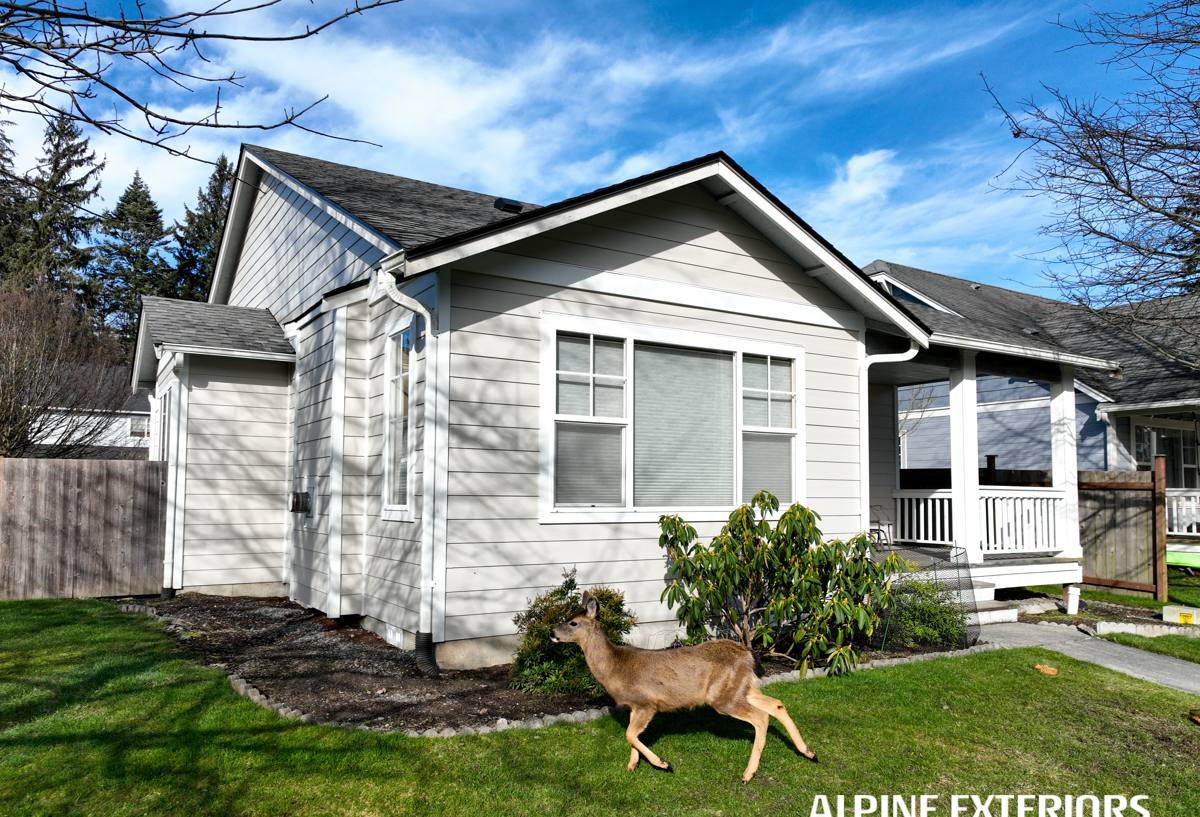
What Seminole's Climate Actually Does to a House
Wind and Wind-Driven Rain
Pinellas County sits in a wind-borne debris region, which means building codes here already assume tropical storm and hurricane exposure is a matter of when, not if. Wind doesn't just push against a wall — it drives rain sideways under laps, around window flanges, and into any gap a lesser installation leaves behind. Once moisture gets behind a siding or trim system, the damage often isn't visible until it's already extensive: soft sheathing, mold growth, and fastener corrosion can all be happening behind a wall that still looks fine from the driveway.
UV Exposure
Florida sun is relentless and it's not seasonal. Paint film breaks down, caulk dries and cracks, and many siding materials chalk, fade, or become brittle under sustained UV load. A product or finish that's rated for a mixed climate up north often ages far faster here.
Salt Air
Even homes several miles from the beach experience salt air corrosion, and Seminole is close enough to the Gulf that this is a real factor, not a theoretical one. Salt accelerates the corrosion of exposed metal fasteners, staples, and trim, and it interacts with humidity to keep exterior surfaces damp longer than they'd stay in a drier inland climate.
Heat and Humidity Cycling
Materials that expand and contract with daily heat swings, combined with near-constant humidity, are under more mechanical stress here than in almost any other part of the country. Products that aren't engineered for this cycle tend to show it first at the seams, fasteners, and butt joints.
Why Siding Choice Matters More in Seminole Than Elsewhere
We install James Hardie fiber cement siding exclusively — we do not install vinyl, LP SmartSide, Cemplank, Allura, or primed wood siding, and we're upfront about why. In a mild, dry climate, some of those products perform reasonably well. In Seminole's combination of wind, moisture, UV, and salt, the weaknesses of those alternatives show up faster and cost homeowners more over the life of the home.
Vinyl
Vinyl siding can soften, warp, or crack under sustained high heat and direct sun, and it has real limits on wind resistance compared to fiber cement, particularly at the panel edges and in older or lower-spec installations. It's also a fuel source in a wildfire or ember-exposure scenario, which is a growing concern in wind-driven Florida storm conditions.
LP SmartSide and Other Engineered Wood or Wood-Adjacent Products
Engineered wood siding relies on maintaining an intact factory seal at every cut edge and fastener point. In a climate where wind-driven rain is a near-annual event, any breach in that seal gives moisture a path in, and wood-based substrates don't tolerate sustained moisture exposure the way fiber cement does. The maintenance discipline required to keep these products performing well is a real, ongoing cost.
Cemplank, Allura, and Other Fiber Cement Alternatives
These are genuine fiber cement products and share some of Hardie's core advantages over vinyl and wood. Our decision to standardize on Hardie specifically comes down to their climate-engineered HZ5 formulation for Florida's humidity, the factory-applied ColorPlus finish (which holds color and resists UV fade better than field-applied paint), and a warranty structure we've found to be the strongest and most straightforward to stand behind when we're the ones putting our name on the installation.
James Hardie Product Lines We Install
| Product | Best Use | Why It Fits Seminole |
|---|---|---|
| HardiePlank Lap Siding | Most homes, primary siding | HZ5 formulation engineered for humid, high-moisture climates |
| HardiePanel Vertical Siding | Accent walls, gables, modern styling | Non-combustible, holds a crisp line under UV exposure |
| HardieTrim | Corners, window and door surrounds | Resists the moisture intrusion that rots wood trim |
| HardieSoffit | Eaves and overhangs | Pre-vented options manage attic moisture in humid air |
Roofing in a Wind-Borne Debris Region
Your roof is the first line of defense in any wind event, and it's also the system most exposed to direct UV all day, every day. We evaluate underlayment, fastening patterns, and flashing details with Pinellas County's wind requirements in mind, not just minimum code. Flashing around penetrations, valleys, and roof-to-wall transitions is where most roof leaks in this area actually originate — not from the field of the roof itself. A roof that looks fine from the ground can still have compromised flashing that's letting water into the attic during every hard rain.
Windows That Handle Wind and Water Together
Window failure in a storm is rarely about the glass breaking — it's far more often about water intrusion around a flange or frame that wasn't sealed and flashed correctly to the wall assembly behind it. In Seminole, where wind-driven rain is a regular occurrence rather than a once-a-decade event, the integration between the window and the siding system around it matters as much as the window unit itself. We pay close attention to that transition, since it's where most real-world window-related water damage actually starts.
Decks: Built for Sun, Rain, and Salt Air
Outdoor living spaces in Seminole face a different set of stresses than the walls of the house: standing water after heavy rain, direct sun for most of the day, and fasteners exposed to salt-laden air. We build and repair decks with attention to drainage, fastener selection, and material choices that hold up to sun and moisture cycling rather than just looking good on installation day.
Why a Local Crew Matters Here
Pinellas County's building codes, wind-load requirements, and inspection expectations aren't generic — they reflect the fact that this county gets hit by real weather. A crew that works exteriors throughout Clearwater, Seminole, and the surrounding Pinellas County communities day in and day out knows the local permitting process, understands how HOA architectural guidelines in this area tend to run, and has seen firsthand which installation shortcuts fail first in this climate. That local, repeated exposure to real Florida weather conditions — not a training manual written for a different region — is what informs how we flash a window, lap a joint, or fasten a soffit.
What to Expect When You Call Us
- A local estimate visit — no high-pressure sales tactics, no inflated "today only" pricing
- A straightforward walk-around assessment of your siding, roof, windows, or deck
- An honest answer if a repair makes more sense than a full replacement
- A written scope that specifies exact materials, not vague allowances
- A realistic timeline that accounts for permitting and Florida weather delays
- No subcontracted crews you've never met showing up unannounced
Cost Factors Homeowners in Seminole Should Understand
| Factor | Why It Affects Price |
|---|---|
| Home size and wall complexity | More corners, dormers, and transitions mean more trim and labor |
| Extent of underlying damage | Rotted sheathing or water damage found during tear-off adds repair scope |
| Siding profile and finish | Wider reveals, vertical accents, and premium ColorPlus shades vary in cost |
| Permitting and wind-load requirements | Pinellas County's code requirements affect fastening schedules and inspections |
| Access and site conditions | Tight lots, fencing, and landscaping can affect labor time |
We don't publish blanket pricing because every home's condition and scope is different, but we're direct about cost drivers during the estimate so there are no surprises once work begins.
Maintenance That Actually Matters in This Climate
Fiber cement siding is low-maintenance compared to the alternatives, but "low-maintenance" isn't "no-maintenance" anywhere near the Gulf. A simple annual walk-around — checking caulk lines at trim and window edges, keeping gutters clear so water isn't sheeting down the siding, and rinsing off accumulated salt and pollen — goes a long way toward protecting the investment. We're happy to point out what to watch for during your estimate, whether or not you end up hiring us for the work.
If you're in Seminole and dealing with aging siding, storm damage, a roof that's due, windows that leak, or a deck that's seen better days, we'd like to take a look. Reach out for a free, no-pressure estimate — we'll walk the property, tell you honestly what condition things are in, and lay out your real options.