 Clearwater Siding
 Custom Windows for Oldsmar Homes
Oldsmar sits at the north end of Old Tampa Bay, close enough to open water that homes here take on the same weather stress as the rest of Pinellas County: hurricane-force wind gusts, wind-driven rain that finds every weak seam, salt-laden air that eats at metal hardware, and some of the most intense year-round UV exposure in the continental United States. Windows are one of the largest openings in a home's building envelope, and when they're the wrong product or a poor installation, they become the weak point during a storm and a steady source of energy loss every day in between.
Custom windows means the units are built to the actual rough openings in your home rather than forced to fit a stock size, and it means choosing glass, frame, and impact ratings that match how your specific house is exposed — corner lots catching wind from two directions, second-story windows taking more wind load, west-facing rooms absorbing afternoon sun. We work with homeowners throughout the Clearwater and Oldsmar area and size every job around the house in front of us, not a generic spec sheet.
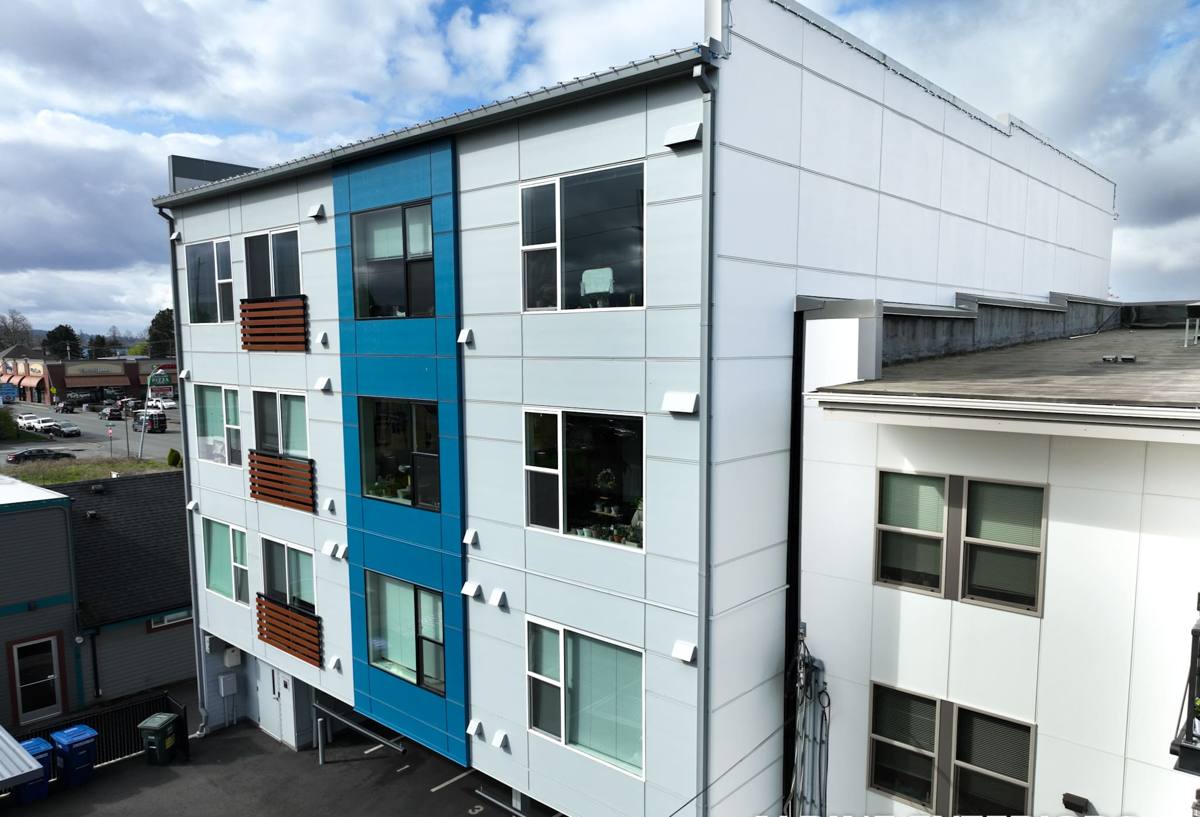
What the Oldsmar Climate Actually Does to Windows
Wind and Storm Pressure
Pinellas County sits in a high-velocity hurricane zone, and Florida Building Code reflects that with wind-load and impact requirements that are stricter than most of the country. During a storm, wind doesn't just push on glass — it creates pressure differentials that stress the entire frame and anchoring system. A window that isn't rated and installed correctly for local wind speeds can fail at the frame or anchor points well before the glass itself gives out.
Wind-Driven Rain
Straight-down rain is rarely the problem. Rain pushed sideways by sustained wind finds any gap in flashing, sealant, or frame fit and drives water into the wall cavity. Once water gets behind a window frame, the damage — rotted framing, stained drywall, mold — often shows up weeks or months later, far from the window itself.
UV and Heat
West Central Florida gets intense sun exposure nearly all year. UV breaks down cheap vinyl, fades interior flooring and furniture, and drives cooling costs up in homes with older, single-pane, or poorly sealed glass. Low-E coatings and the right glass package make a measurable difference in comfort and utility bills here.
Salt Air
Oldsmar's proximity to Old Tampa Bay means salt in the air corrodes untreated metal hardware, screws, and fasteners over time. Window components that aren't rated for coastal exposure can start showing corrosion and function problems years before an inland installation would.
What a Correct Custom Window Job Involves
A window replacement done right is more than removing an old unit and dropping in a new one. Each step matters for how the window performs during the next tropical storm or hurricane season:
- Accurate measurement of the rough opening — including checking for square, level, and plumb, since older Florida homes often have settled or shifted openings.
- Selecting the right impact rating and design pressure for the window's location on the house — corner exposures and upper floors typically need a higher rating than a sheltered ground-floor opening.
- Removing and inspecting the substrate around the opening for hidden water damage or rot before the new window ever goes in — installing a new window over damaged framing just seals the problem in.
- Proper flashing and sealant sequencing so water is shed outward at every layer, not just relying on a single bead of caulk.
- Anchoring to code — the right fastener type, spacing, and embedment for the wall substrate, whether that's block, wood frame, or a mix.
- Interior and exterior finish work that restores trim, stucco, or siding cleanly around the new unit.
Skipping any one of these steps is how a window that looks fine on installation day ends up leaking, fogging, or underperforming in a storm a year or two later.
Choosing the Right Window for an Oldsmar Home
Impact-Rated vs. Non-Impact with Shutters
Florida code gives homeowners a choice: install impact-rated glass, or use non-impact windows paired with approved storm shutters or panels. Impact windows cost more up front but require no separate action before a storm and typically offer better day-to-day noise reduction and UV protection since the laminated glass is doing that work year-round, not just during hurricane season. Shutter-based approaches can lower the upfront cost of the windows themselves but shift the burden to having shutters installed and secured every time a storm is forecast.
Frame Material
Vinyl, aluminum, and fiberglass are the common frame choices in this market. Aluminum has long been popular in Florida for its strength and slim sightlines but needs a quality finish to resist salt-air corrosion. Vinyl performs well thermally and doesn't corrode, though lower-grade vinyl can warp under sustained heat exposure — this is a case where the quality of the specific product matters more than the material category itself. Fiberglass tends to hold up well against both heat and moisture but usually carries a higher price point.
Glass Package
Beyond impact resistance, glass options include Low-E coatings for solar heat rejection, tinted or reflective glass for additional glare and heat control, and laminated interlayers that also cut down road and neighborhood noise. For most Oldsmar homes, a Low-E, impact-laminated package strikes the right balance of storm protection and everyday comfort.
Cost Factors to Understand Before You Get Quotes
Window pricing varies widely based on size, quantity, glass package, and frame material, so we won't quote a number without seeing the job. What we can tell you is what actually moves the price:
| Factor | Why It Affects Cost |
|---|---|
| Impact rating required | Higher design-pressure ratings for exposed or upper-floor openings use heavier glass and reinforced frames |
| Window size and shape | Large openings, custom shapes, and non-standard sizes require made-to-order units rather than stock sizes |
| Frame material | Vinyl, aluminum, and fiberglass carry different material and fabrication costs |
| Substrate condition | Rot or water damage found during removal adds repair work before the new window can go in |
| Number of openings | Whole-house replacements typically bring a better per-window cost than one-off jobs |
| Finish work | Matching existing stucco, trim, or siding around the new opening adds labor |
Our Process for Oldsmar Window Projects
- On-site assessment — we measure every opening, check the condition of the surrounding wall, and talk through what each room actually needs in terms of light, ventilation, and storm exposure.
- Product selection — we walk through impact ratings, frame materials, and glass packages so you understand the trade-offs, not just a single recommendation.
- Written estimate — a clear scope of work and pricing before anything is ordered.
- Custom fabrication — windows are built to your exact openings rather than pulled off a shelf.
- Installation — including substrate inspection, proper flashing, correct anchoring, and finish work to match your home.
- Final walkthrough — we check operation, seals, and finish work with you before calling the job done.
Why Local Experience Matters for This Job
A window installer who mainly works inland jobs may not think twice about anchor spacing or flashing detail that's non-negotiable this close to the bay. Crews familiar with Oldsmar and the greater Clearwater area already know what Pinellas County wind-load and impact code requires, what permitting looks like locally, and how coastal humidity and salt exposure change which hardware and sealants hold up long-term. That familiarity shows up in fewer callbacks and windows that perform the way they're supposed to when a named storm actually rolls through.
It also matters for something simpler: being reachable. A crew that works this area regularly can get to a follow-up question, a warranty check, or a pre-storm concern quickly, instead of you waiting on a company based hours away.
Signs Your Current Windows Need Attention
- Visible daylight or drafts around the frame when the window is closed
- Fogging or condensation between panes on double-pane units, signaling a broken seal
- Difficulty opening, closing, or locking the window smoothly
- Soft or discolored trim, drywall, or stucco near the window frame
- Noticeably higher cooling bills compared to similar-sized homes nearby
- Windows original to a home built before current impact code requirements took effect
Any one of these on its own isn't necessarily an emergency, but they're worth having looked at before hurricane season peaks, not during it.
Get a Free Estimate for Your Oldsmar Home
If you're weighing whether to replace one window or the whole house, we're happy to take a look, answer your questions honestly, and give you a written estimate with no pressure to commit on the spot. Fill out the form below to schedule a free assessment for your Oldsmar property.