 Clearwater Siding
 New-Construction Windows vs. Replacement Windows: Why the Distinction Matters in Seminole
"New-construction window" is a trade term, not a marketing label. It refers to a window with a nailing fin (flange) that gets installed into a rough framed opening before the exterior wall is closed in — as opposed to a "replacement" or "pocket" window that's inserted into an existing frame after the fact. In Seminole, this comes up in a few real situations: new home builds, room additions, garage or lanai conversions, and full gut renovations where a contractor removes a window down to the studs or block opening rather than reusing the old frame.
The reason this distinction matters here specifically is that a new-construction install is a one-time opportunity. Once the stucco, siding, or drywall closes around that opening, the flashing and fastening underneath are hidden for the life of the house. In a market with the wind and rain exposure Pinellas County sees, getting that hidden work right the first time matters more than almost any other part of the job.
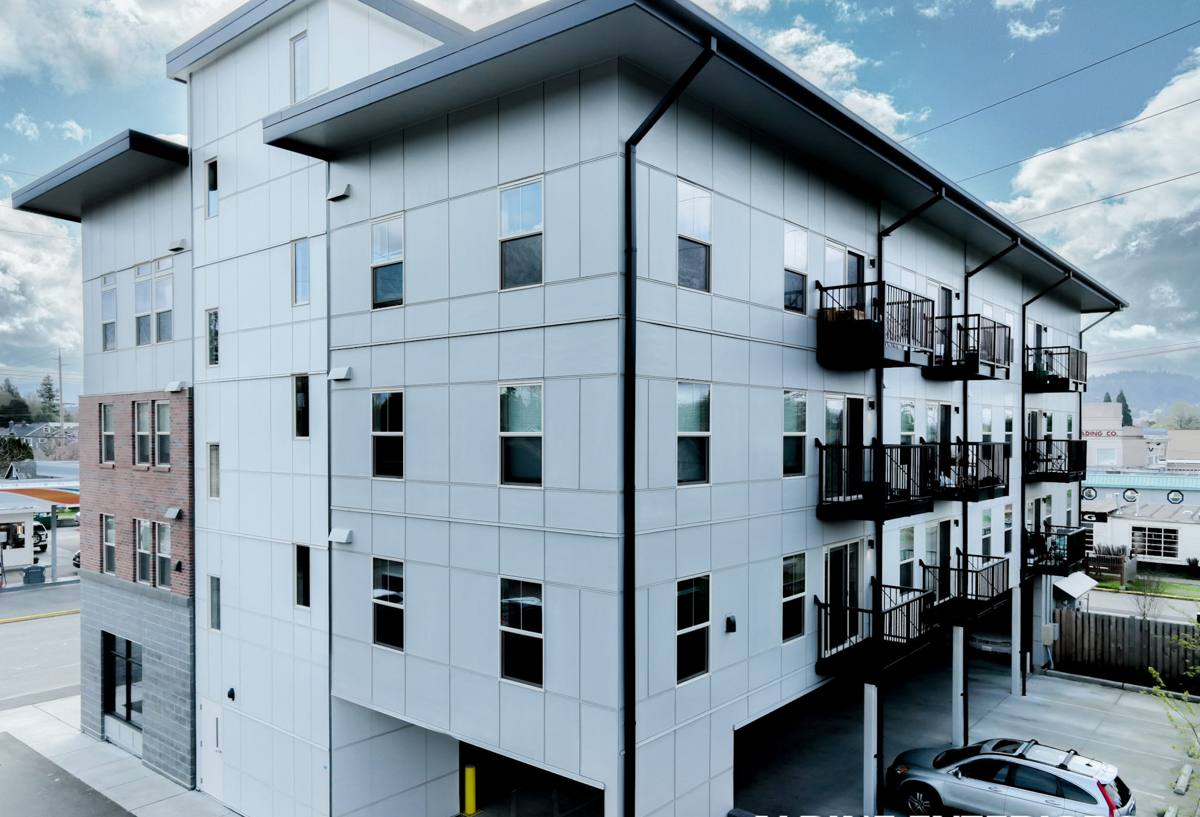
What Seminole's Climate Puts a New Window Install Through
Seminole sits close to the Gulf beaches and the Intracoastal, and like the rest of Pinellas County it deals with a specific combination of stresses that inland markets don't:
- Hurricane-force wind — sustained pressure and gusts that test both the glass/frame assembly and how the window is fastened to the structure.
- Wind-driven rain — during a storm, rain doesn't just fall, it's pushed sideways into the wall assembly. A window that's watertight in a calm rain can still leak in a wind event if the flashing behind it isn't sequenced correctly.
- Intense, year-round UV — Florida sun degrades sealants, vinyl, and low-quality glazing compounds faster than most parts of the country, which shows up as chalking, brittleness, and premature seal failure.
- Salt air — even a few miles from open water, airborne salt accelerates corrosion on hardware, fasteners, and lesser-grade aluminum components.
None of these are unique to Seminole, but they're constant here rather than occasional, which is why "it's just a window install" isn't really accurate for this market. Every material choice and installation detail is a small decision about how it holds up against wind, water, sun, and salt at the same time.
Building Code and Wind-Load Requirements for New Construction
Seminole falls within Pinellas County's wind-borne debris region under the Florida Building Code, which means new window openings need to meet a specific design pressure rating and either use impact-rated glass or be paired with code-approved shutter protection. Every window installed has to carry a Florida product approval or Miami-Dade NOA (Notice of Acceptance) number appropriate to the wind zone and the wall type it's going into — masonry (CBS block, common in this area) and wood-frame construction are engineered and installed differently even when the finished window looks the same.
New-construction openings also go through the local permit and inspection process — typically a rough opening/flashing inspection before the wall is closed up, and a final inspection after installation. That inspection at the rough stage is exactly why the flashing sequence matters so much: it's the one point in the project where the work behind the window is actually visible and verifiable, both to the inspector and to you.
What a Correct New-Construction Window Install Actually Involves
Flashing and the Rough Opening
Before the window ever goes in, the rough opening needs a sill pan (a shaped, sloped flashing at the bottom of the opening that directs any water that gets past the window back outside instead of into the wall) and properly lapped head and jamb flashing integrated with the weather-resistive barrier. On CBS construction, this often means a wood buck framing the opening so the window has something consistent to fasten and flash to. Skipping or rushing this step is the single biggest cause of hidden leaks in coastal Florida construction — and it's invisible once the exterior finish goes on.
Attachment and Fastening
The nailing fin gets fastened per the window's specific product approval — fastener type, spacing, and edge distance all matter, because the approval rating (and your wind-load compliance) is only valid if the installation matches the tested assembly. Corrosion-resistant fasteners are non-negotiable this close to the coast; standard hardware corrodes and weakens well before the window itself wears out.
Sealant and Finish Integration
Backer rod and a quality, UV-stable sealant close the gap between the frame and the rough opening on the interior and exterior. This is a maintenance item over the life of the window — sealant is the first thing sun and weather attack, and it should be inspected periodically rather than assumed to last forever.
Choosing Frame Material and Glass Package
For new construction, you're picking the frame and glass package from scratch, which is a real opportunity to match the product to Seminole's exposure rather than settling for whatever a builder defaults to.
| Frame Material | Wind/Impact Performance | Salt Air Resistance | Notes |
|---|---|---|---|
| Vinyl | Good, when properly reinforced for the rated design pressure | Very good — won't corrode | Cost-effective; quality varies a lot between manufacturers |
| Aluminum | Excellent strength-to-weight for large openings | Depends on finish — needs a quality coating to resist salt corrosion | Common for larger openings and sliders; narrower sightlines |
| Fiberglass | Excellent, very stable under pressure and temperature swings | Very good | Higher upfront cost; long-term dimensional stability |
On the glass side, the main decision is impact-rated laminated glass versus code-approved shutters paired with standard glass. Impact glass costs more upfront but stays in place permanently — no deploying panels before a storm — and it also cuts UV transmission and outside noise as a side benefit. Shutters cost less per opening but require someone to actually install them before a storm every time, which is a real factor if the home won't always be owner-occupied or attended. Either approach can meet code; the right call depends on budget and how hands-on you want storm prep to be. We'll walk through both honestly rather than pushing whichever carries a bigger margin.
Low-E coatings are worth specifying regardless of frame material — Florida's UV load is high enough year-round that the difference in interior heat gain and fading is noticeable, not marginal.
Our Process for New-Construction Window Projects in Seminole
- Plan review and site visit. We look at the framed openings (or plans, if we're involved before framing), wall type, and exposure to figure out design pressure requirements and product options.
- Product and glass selection. We go through frame material, impact vs. shutter-protected glass, and Low-E options against your budget — no pressure toward the most expensive package.
- Permit coordination. We handle the permit application with the correct product approval documentation for each window and schedule the rough opening inspection.
- Installation at the correct framing stage. Sill pan flashing, buck framing where needed, fin attachment, and WRB integration happen before the exterior finish closes the wall — done once, done right.
- Inspection and sign-off. We coordinate the rough and final inspections so there's a clean paper trail on file.
- Final walk-through. We check operation, sealant lines, and finish work with you before calling the job done.
Mistakes We See on New-Construction Window Jobs
A lot of window problems in coastal Florida homes trace back to shortcuts taken during the original install, not the window product itself. Before you sign a contract — with us or anyone — it's worth confirming:
- The installer can show you the specific Florida product approval or NOA number for each window, matched to your wind zone.
- Sill pan flashing and a documented flashing sequence are part of the written scope, not just "we'll flash it."
- Fasteners and hardware are specified as corrosion-resistant, not generic.
- The contract specifies whether impact glass or shutter protection is being used to meet code, and that's reflected in the permit.
- Someone is scheduling the rough opening inspection before the wall gets closed in — this step is easy to skip and hard to verify after the fact.
Why a Crew That Already Works in Seminole Makes a Difference
New-construction window work leans heavily on local knowledge: which wind design pressures apply to a given wall orientation and exposure category, how local building department reviewers like to see flashing documentation, and how CBS construction in this part of Pinellas County typically frames out for window bucks. A crew that already works in Seminole isn't learning those things on your job — they've already coordinated inspections here, sourced product with the right approvals for this wind zone, and seen how salt air and storm exposure play out over years, not just at handoff. That familiarity shows up as fewer surprises during permitting and inspection, not just a smoother sales pitch.
What to Expect After Installation
A correctly installed new-construction window shouldn't need much attention, but it's not maintenance-free. Sealant lines are worth a visual check once a year — UV and salt air will eventually degrade them before the window itself shows wear. Hardware and tracks benefit from an occasional rinse to clear salt residue, especially on homes closer to the water. Keep any paperwork on product approvals and permits with your other home records; it matters at resale and for insurance windstorm mitigation credits.
If you're planning a new build, addition, or full window replacement down to the studs in Seminole, we're glad to walk the site, talk through frame and glass options honestly, and put together a free, no-pressure estimate using the form below.