 Clearwater Siding
 Countryside: An Established Clearwater Community With Its Own Exterior Challenges
Countryside is one of Clearwater's larger established residential areas in Pinellas County, built out over several decades and home to a wide mix of housing stock — ranch homes from the 1970s and 80s, updated single-family properties, and newer infill construction sitting side by side. That mix matters when it comes to exteriors. A lot of homes in this part of Clearwater are carrying original or aging siding, and what worked (or was code-minimum) forty years ago often isn't holding up well against what Florida's Gulf Coast climate throws at a house year after year.
Being set back from the immediate waterfront doesn't exempt Countryside from coastal weather. Pinellas County is a peninsula — there's no meaningful distance from salt air or storm systems anywhere in it. Homes here still take the full brunt of Florida's exterior stress test, just with slightly different exposure patterns than a beachfront property.
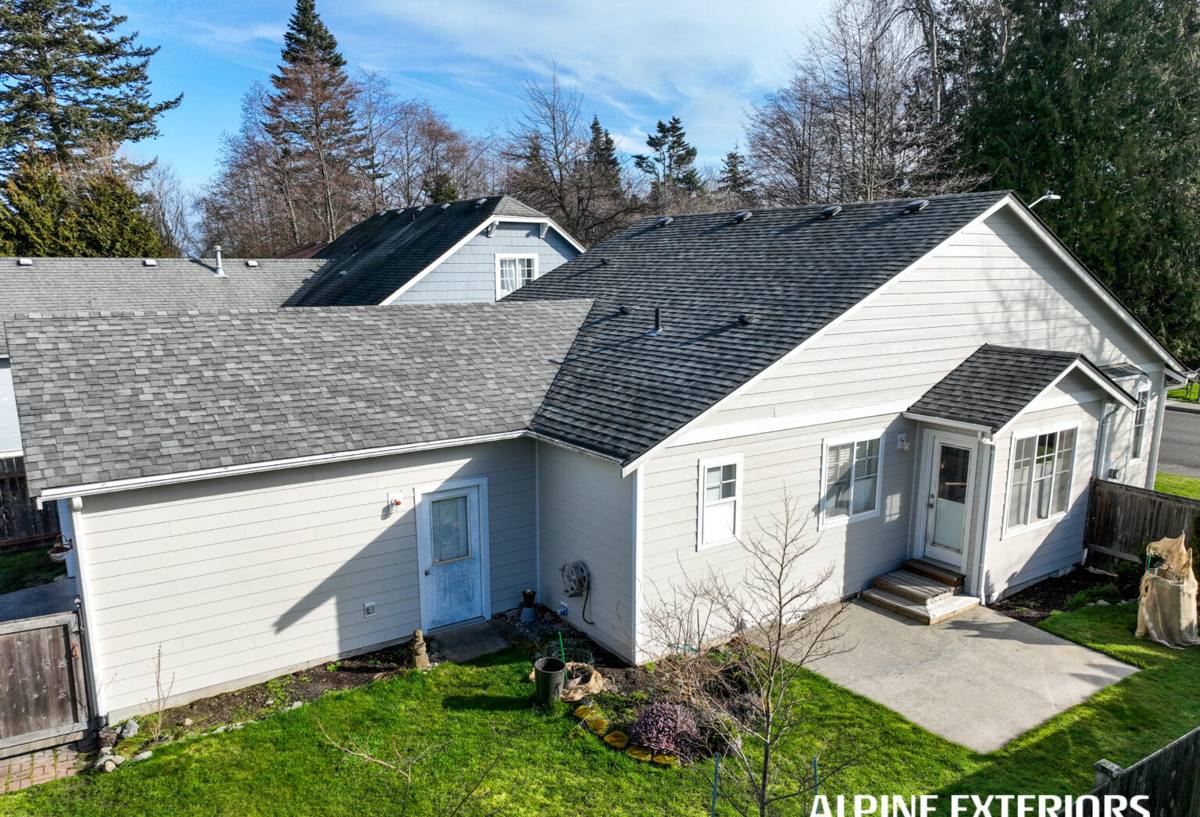
What Clearwater's Climate Actually Does to a House
Before talking about siding, roofing, windows, or decks, it's worth being specific about what's actually working against a home's exterior in this area. It's not one thing — it's several factors compounding on each other, all year, every year.
Hurricane-Force Wind
Pinellas County sits in an active hurricane corridor. Even in years without a direct hit, homes here regularly experience tropical-storm-force gusts, squall lines, and the kind of sustained wind events that stress every seam, fastener, and joint on the exterior. Siding that isn't installed to spec — or that's an aging, brittle material to begin with — is often where wind damage shows up first.
Year-Round, High-Intensity UV
Florida's UV index runs high nearly twelve months a year. That constant sun exposure breaks down paint finishes, fades color, and dries out organic siding materials, causing warping and cracking over time. A siding product's ability to hold its finish and its shape under that kind of relentless sun exposure is one of the biggest differences between materials that last and materials that don't.
Wind-Driven Rain
It's not just how much it rains — it's how it rains. Storms here frequently drive rain sideways into walls, seams, and trim, which is a very different stress than rain falling straight down. Products and installation details that aren't built for wind-driven rain tend to let moisture find its way behind the siding, where it does the real damage.
Salt Air
Salt in the air corrodes fasteners, accelerates the breakdown of certain finishes, and works its way into cracks and joints. Homes further inland in Clearwater still see measurable salt exposure — it travels on the wind across the whole county, not just along the immediate coast.
Individually, any one of these is manageable. Together, year after year, they're exactly why so many Countryside homes end up needing siding attention sooner than homeowners expect — and why the material and installation choices made the first time around matter so much.
Why We Only Install James Hardie Fiber Cement Siding
We made the decision to standardize on James Hardie fiber cement siding across every project we do, including here in Countryside. We don't install vinyl, LP SmartSide, or other engineered wood or fiber cement alternatives — not because those products can't be sold or installed correctly by someone, but because after years of doing exterior work in this climate, Hardie is the product we trust to hold up to it.
Fiber cement is non-combustible, dimensionally stable in heat and humidity swings, and doesn't absorb water the way wood-based products can. James Hardie's ColorPlus factory-applied finish is baked on under controlled conditions, which gives it better UV and fade resistance than field-applied paint. And Hardie engineers specific product lines for different climate zones — Gulf Coast homes fall under their HZ5 climate designation, built around exactly the kind of heat, humidity, and moisture cycling this region deals with.
| Factor | Vinyl Siding | Engineered Wood (LP-Type) | James Hardie Fiber Cement |
|---|---|---|---|
| UV / Fade Resistance | Fades and can warp under sustained sun | Finish degrades faster in high-UV climates | Factory ColorPlus finish resists fading |
| Wind-Driven Rain / Moisture | Seams can allow water intrusion | Wood core is vulnerable to swelling, rot | Cement composition resists moisture absorption |
| High Wind Performance | Can crack or blow off in gusts if aged | Panel integrity depends on moisture condition | Rated for high-wind installation when installed to spec |
| Fire Resistance | Can melt or deform | Combustible | Non-combustible material |
| Long-Term Maintenance | Low maintenance but limited repair options | Requires diligent moisture management | Low maintenance, durable finish |
This isn't about any product being universally bad — it's about what we're comfortable putting our name behind on a Clearwater roof line, given what we've seen this climate do to exteriors over time.
More Than Siding: A Full Exterior Envelope Approach
Siding doesn't work in isolation. It's one part of a home's exterior envelope, alongside the roof, windows, and any attached structures like decks. We handle all four because they're interconnected — a roofline detail affects how water sheds past the siding, a window's flashing affects what happens at the wall behind it, and a deck attached to the house shares fasteners, flashing, and moisture exposure with the exterior wall system.
Roofing
Roofing and siding take the same wind and UV exposure, and a compromised roof edge or flashing detail is one of the most common ways water ends up behind siding that otherwise would have performed fine.
Windows
Window flashing and trim integration is one of the most common weak points in older Clearwater homes. When we replace siding around existing windows, we're also checking that the transition is actually sealed and flashed correctly — not just cosmetically covered.
Decks
Where decks attach to the house, that ledger connection is a frequent source of hidden moisture problems if it wasn't flashed properly to begin with. We look at that intersection any time we're doing exterior work nearby.
Being able to address all of it under one crew, rather than coordinating separate roofing, siding, window, and deck contractors, tends to produce a tighter, better-sealed result — and it's simpler for the homeowner.
What a Siding Project in Countryside Typically Involves
- An on-site inspection of the current siding, sheathing, and any visible trouble spots — soft areas, staining, gaps, or prior repair patches.
- Assessment of what's underneath once old siding starts coming off, since older Countryside homes sometimes reveal moisture damage to sheathing that wasn't visible from the outside.
- A plan for house wrap, flashing, and water-resistive barrier details before any new siding goes up — this is where most long-term failures actually start if skipped or rushed.
- Installation of James Hardie fiber cement siding to manufacturer fastening and clearance specifications, which matters for both warranty coverage and wind performance.
- Final trim, caulking, and finish work, plus a walk-through so the homeowner understands what was done and why.
The prep work and hidden details — house wrap, flashing, fastener pattern, clearances — matter as much as the visible siding itself. Two homes can have the same Hardie product installed and end up with very different long-term performance depending on whether those details were handled correctly.
Why a Local Crew Matters
Contractors based outside Pinellas County don't always have a working knowledge of local permitting requirements, wind-load expectations tied to Florida Building Code, or how a particular product actually performs after a few Gulf Coast storm seasons. A local crew has seen how siding, roofing, and trim details hold up — or don't — on homes just like the ones in Countryside, through real hurricane seasons, not just on paper.
There's also the practical matter of being reachable afterward. If a warranty question or a storm-related concern comes up two or five years down the road, a contractor who's still operating in the same county, on the same jobs, is a very different experience than trying to track down someone who did a one-off job and moved on.
Signs Your Countryside Home May Need Exterior Attention
- Visible cracking, warping, or buckling in the siding panels
- Peeling or chalky paint that keeps returning shortly after repainting
- Soft spots when pressed, especially near the bottom of walls or around windows
- Gaps opening up at seams, corners, or trim boards
- Mold, mildew, or dark streaking that keeps coming back after cleaning
- Noticeably higher cooling bills, which can point to a compromised exterior envelope
- Rattling or movement in siding panels during windy weather
None of these are emergencies on their own, but they're worth having looked at before the next storm season, rather than after.
What to Expect After Installation
James Hardie siding installed to spec is genuinely low-maintenance, but "low-maintenance" doesn't mean "no attention needed." A periodic rinse to clear off salt residue and pollen buildup, an occasional check of caulked joints, and keeping an eye on anything that takes a direct hit during a storm are reasonable expectations. Hardie's ColorPlus finish and product warranties are designed around the material holding up with minimal upkeep for a long service life — but any exterior benefits from a homeowner who notices small issues early.
Get a Straightforward Look at Your Options
If you're in Countryside and dealing with aging siding, storm damage, or just want an honest read on where your exterior stands, we're glad to come take a look. There's no pressure and no obligation — just a straight assessment from a crew that works this area and installs one product because we trust it to perform here. Reach out below for a free estimate.