 Clearwater Siding
 Siding for Sunset Point Homes
Sunset Point is a long-established residential pocket in Clearwater, and homes here run the full range from older Florida ranch houses to newer builds and remodels. What ties an exterior project together in this part of Pinellas County isn't the age or style of the house — it's the climate every one of them sits in. Hurricane-force winds, intense year-round UV, wind-driven rain, and salt air off the Gulf and Tampa Bay all work on a home's siding, trim, roofing, and windows at the same time, and they don't take a season off. We work in Sunset Point and the surrounding Clearwater neighborhoods regularly, and the approach we bring to an exterior is built around what that specific combination of stressors does to a building over the years, not a generic "Florida siding" pitch.
We install James Hardie fiber cement siding exclusively, and for a Clearwater property facing this level of sun, wind, and salt exposure, it's the material we recommend without hesitation.
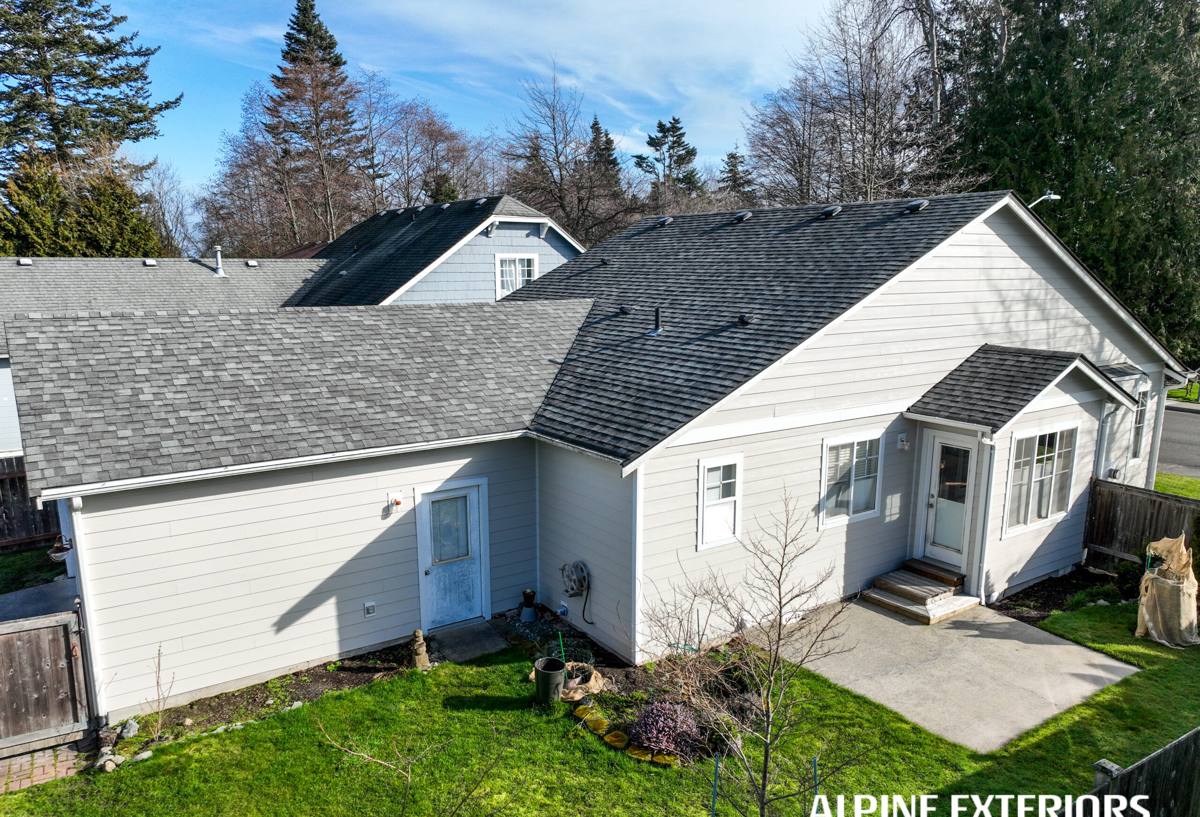
What Sunset Point's Climate Does to a Home's Exterior
Hurricane-Force Wind
Pinellas County sits in an active hurricane corridor, and even in years without a direct hit, tropical systems and seasonal storms routinely bring sustained wind and gusts strong enough to test how siding is fastened, not just what it's made of. Loose panels, under-fastened boards, or trim that was never rated for real wind load are the first things that fail when a storm rolls through, and the damage usually starts small — a lifted corner, a popped fastener — before it turns into a bigger repair.
Intense Year-Round UV
Clearwater doesn't get a real off-season for sun exposure. UV intensity here stays high nearly all year, and that constant exposure is hard on anything that depends on a painted or coated surface to look good and stay protected. Site-applied paint chalks, fades, and thins out faster under this much sun than it would in a milder climate, which is part of why finish quality matters as much as the base material underneath it.
Wind-Driven Rain
Storms in this region rarely drop rain straight down. Wind pushes it sideways into walls, trim, window heads, and anywhere flashing and sealant are doing the real work of keeping water out. Siding and trim that aren't detailed to shed wind-driven rain — not just ordinary rainfall — tend to show water intrusion first at seams, corners, and butt joints, often well before the damage is visible from the outside.
Salt Air
Being close to the Gulf and Tampa Bay means Sunset Point homes deal with salt-laden air more than inland Pinellas properties do. Salt accelerates corrosion on exposed fasteners and hardware, and it can degrade finishes that weren't formulated to resist it. Over time that shows up as rust streaking, pitted metal, and a chalky, tired-looking exterior finish that needs more frequent washing to keep salt residue from building up on the wall surface.
Why James Hardie Is What We Install
We narrowed our siding offering to one system after watching, across enough jobs in this climate, which materials held up to sustained sun, wind, and salt exposure and which ones quietly became a maintenance burden for the homeowner a few years in. For a Sunset Point property specifically, the case for fiber cement is a practical one, not a brand preference.
- Non-combustible core: Fiber cement doesn't feed a fire the way wood-based or wood-derived siding products can, which matters for both household safety and insurance underwriting.
- Factory-applied ColorPlus finish: The color is baked on under controlled factory conditions rather than brushed on in the field, so it resists the fading, chalking, and cracking that Pinellas County's UV load causes in site-applied paint.
- Climate-engineered HZ product lines: Hardie builds different formulations for different climate zones, and homes in our area receive the HZ5 line engineered for high-humidity, high-moisture, coastal-adjacent conditions — a real match for Sunset Point.
- Dimensional stability: Fiber cement doesn't swell, cup, or warp the way engineered wood siding can after repeated humidity cycles, which matters given how long Florida's wet season runs.
- Strong transferable warranty: Hardie backs its products with a solid warranty structure when installation follows spec, giving homeowners real protection instead of a marketing claim.
We don't install LP SmartSide, vinyl siding, Cemplank, Allura, primed spruce, or cedar. Each has a place in the broader market, and plenty of homeowners elsewhere are satisfied with them. But we made a professional call that one system we trust completely, installed correctly, is worth more to a Sunset Point homeowner than a cheaper option that quietly shifts maintenance risk onto them a few years down the road — especially in a climate that doesn't forgive shortcuts.
Why We Say No to the Alternatives
Vinyl can soften and warp in sustained high heat and doesn't hold up well to wind-driven debris. Engineered wood products like LP SmartSide depend on an intact factory coating to resist moisture, and any breach in that coating — a nail miss, a cut edge left unsealed — becomes a slow entry point for water in a humid climate. Primed spruce and cedar are natural wood products that need an ongoing paint and sealing cycle to hold up at all, which is a lot to ask in a climate that's hard on painted surfaces year-round. We'd rather be honest about those trade-offs up front than sell a homeowner something we don't believe will hold up here.
What Correct Installation Looks Like
Material choice only gets a Sunset Point home halfway there. The other half is installation detail, and it's where a lot of exterior problems actually originate, regardless of what siding was used.
Flashing and Water Management
Every horizontal transition — window heads, door heads, roof-to-wall intersections, deck ledger connections — needs flashing that actually directs water out and away from the wall assembly, not just a bead of caulk covering a gap. Caulk is a secondary seal, not the primary water management strategy; when it's treated as the only line of defense, it's usually only a matter of time before it fails.
Fastening for Wind Load
Hardie siding has a published fastening schedule that specifies nail type, spacing, and placement, and it exists for a reason: under-fastened siding is one of the most common causes of wind damage during a storm. In a hurricane corridor like Pinellas County, following that spec isn't optional, it's the difference between siding that stays put and siding that peels off in a gust.
Gapping and Joint Detailing
Fiber cement needs the manufacturer-specified gap at butt joints and trim intersections to allow for the material's minor expansion and contraction. Installers who skip this to save time or get a tighter-looking seam create stress points that crack and open up over time, especially with the temperature swings that come with intense Florida sun.
Beyond Siding: Roofing, Windows, and Decks
A Sunset Point exterior doesn't fail one component at a time — siding, roofing, windows, and decking all take the same wind, sun, and salt exposure, and they need to work together as a system, not as four separate projects done by four different companies over the years.
Roofing
A roof that isn't properly sealed and fastened for wind uplift puts everything below it at risk, including the siding, since roof leaks often travel down inside a wall before they ever show up on the surface. We handle roof installation and repair alongside siding work so the two get coordinated rather than treated as unrelated systems.
Windows
Window flashing and the seal between the window frame and the siding around it is one of the most common places water intrusion starts on a Florida home. When we're doing siding work, we check window flashing as part of the job rather than assuming it's fine, and we can handle window replacement directly when it isn't.
Decks
Outdoor living space takes a beating from the same sun and moisture cycle as the rest of the house. We build and repair decks with materials and fastening details suited to Pinellas County's climate, and where a deck ledger connects to the house, we make sure that connection is flashed correctly so it isn't a hidden water entry point into the wall behind it.
Signs Your Current Siding Is Already Failing
Exterior damage in this climate is often gradual and easy to miss until it's a bigger repair. A few things worth checking on a Sunset Point home:
- Soft or spongy spots when you press on siding, especially near the bottom of walls or below windows
- Visible warping, cupping, or bowing in individual boards or panels
- Paint that's peeling, bubbling, or chalking heavily, particularly on sun-exposed walls
- Rust streaking around fasteners or trim hardware
- Persistent staining or dark streaking that keeps returning after cleaning
- Gaps opening up at seams, corners, or where siding meets window and door trim
- A musty smell inside near an exterior wall, which can point to moisture already inside the assembly
Any one of these is worth a professional look before it turns into a wall-assembly repair rather than a siding repair.
Cost Factors for a Sunset Point Siding Project
Every home is different, but the same handful of factors tend to drive the price of a siding project up or down. This table covers the main ones without pretending to give a fixed number, since an honest estimate has to come from actually seeing the property.
| Factor | How It Affects the Project |
|---|---|
| Home size and wall area | More square footage means more material and labor, the single biggest driver of overall cost |
| Existing siding removal | Full tear-off versus installing over an existing surface changes labor scope and disposal costs |
| Underlying wall condition | Rot or moisture damage found once old siding comes off adds repair work before new siding goes on |
| Trim and detail complexity | Multiple gables, dormers, or architectural features take more cutting, fitting, and flashing labor |
| Siding profile chosen | Lap siding, shingle-style panels, and board and batten differ in material and installation labor |
| Access and site conditions | Tight lot lines, landscaping, or multi-story walls affect scaffolding and staging time |
Why a Local Crew Matters
A siding crew that works Pinellas County regularly knows what this climate actually does to a wall assembly over time, not just in a training manual but from having seen it firsthand on jobs across Clearwater and the surrounding area. That matters for practical reasons: knowing where water tends to find its way in on a coastal-adjacent property, understanding what fastening actually holds up when a named storm comes through, and being available afterward if a home needs a warranty repair or a storm-damage inspection. A crew based somewhere else, moving through the area on a short-term contract, doesn't have the same stake in how the work performs five or ten years down the line.
Get a Free Estimate for Your Sunset Point Home
If you're weighing a siding replacement, a roofing project, new windows, or deck work for a home in Sunset Point, we're glad to walk the property, talk through what your specific exterior is up against, and put together a free, no-pressure estimate.