 Clearwater Siding
 Siding Repair in Skycrest: A Different Job Than It Looks Like
Skycrest is one of Clearwater's established residential neighborhoods, and like most older sections of Pinellas County, it's got a real mix of siding on its homes — some original material from decades back, some replacement work done at various points since, and a fair number of houses that have taken storm damage and been patched more than once. When a homeowner calls us about a cracked panel or a soft spot near a window, the visible damage is rarely the whole story. Siding repair done right means figuring out what's happening underneath the surface, not just covering up what you can see from the driveway.
That distinction matters more in Clearwater than in a lot of places. Between hurricane-force wind events, near-constant UV exposure, wind-driven rain that gets pushed sideways into wall assemblies, and the slow corrosive effect of salt air this close to the Gulf, siding here works harder than siding almost anywhere else in the country. A repair that only addresses the cosmetic problem tends to fail again — often within a year or two.
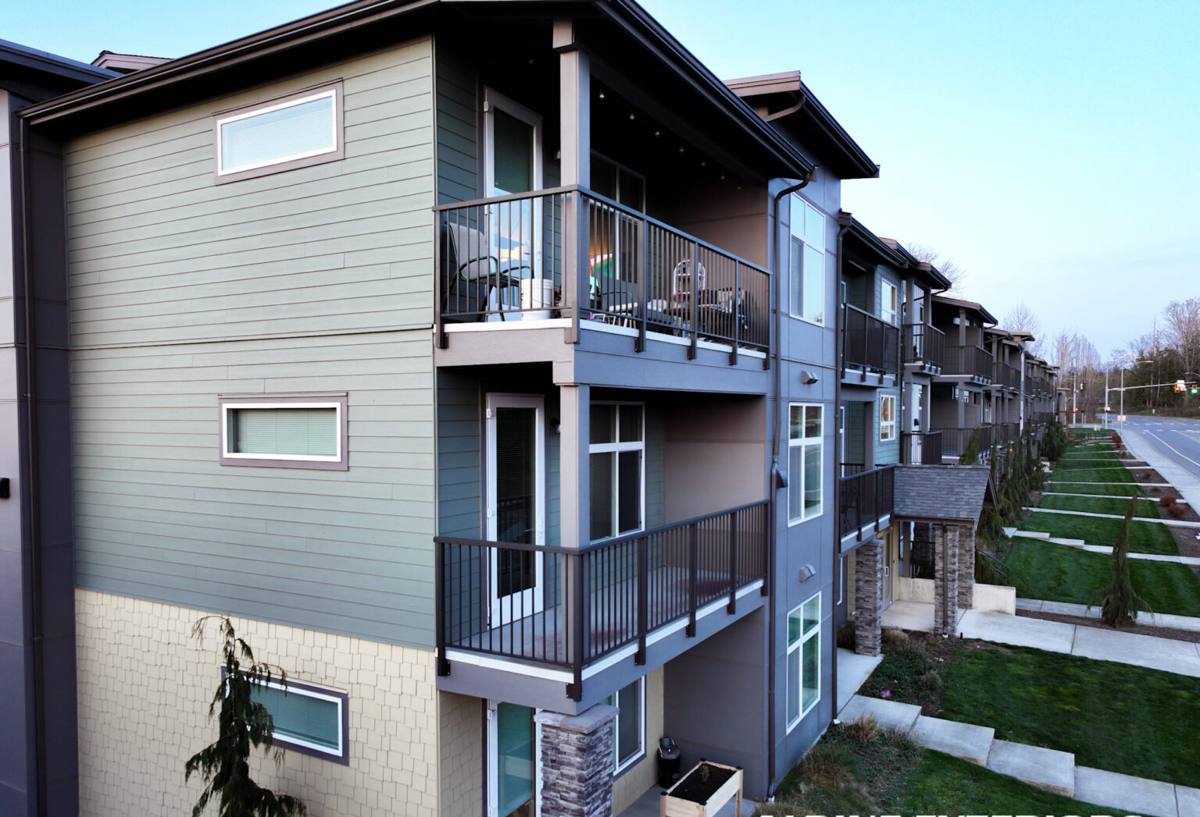
What Clearwater's Climate Does to Skycrest Siding
Wind and Storm Impact
Pinellas County sits in a hurricane-prone corridor, and even storms that don't make direct landfall here send tropical-storm-force gusts through the area regularly. Wind doesn't just crack or dent siding on impact — it can loosen fastening at panel edges and butt joints, creating gaps that let water behind the siding long before any crack is visible from the ground.
UV and Heat
Florida sun is intense and consistent nearly year-round. Painted wood and some engineered wood products chalk, fade, and become brittle under sustained UV exposure. Caulk joints dry out and lose their seal faster here than in milder climates, which is one of the most common hidden contributors to repeat siding failures we find on repair calls.
Wind-Driven Rain and Moisture
Clearwater's rain doesn't fall straight down — storm systems push it sideways into walls, and it finds every gap, unsealed seam, and compromised joint. Once moisture gets behind siding, it can sit against sheathing and framing for weeks in our humidity before it ever shows up as a visible stain or soft spot.
Salt Air
Skycrest isn't directly oceanfront, but Clearwater's proximity to the Gulf means salt-laden air travels well inland, accelerating corrosion on fasteners, flashing, and any exposed metal trim. Corroded fasteners are a frequent, easy-to-miss cause of siding that looks intact but is barely holding on.
Signs a Skycrest Home Needs Siding Repair
Most homeowners call us after they've noticed one obvious problem, but a proper inspection usually turns up related issues nearby. Before you call anyone, walk your exterior and look for:
- Cracked, split, or visibly warped siding panels, especially near corners and window trim
- Soft or spongy spots when you press on the siding by hand
- Bubbling, peeling, or persistently failing paint in one concentrated area
- Dark streaking, staining, or a musty smell near seams or the base of a wall
- Gaps opening up at butt joints, corner boards, or where siding meets trim
- Visible fastener heads, rust streaks, or siding that appears to be pulling away from the wall
- Damage clustered on one side of the house — often the side that takes the most wind and driving rain
Any one of these can be minor. Several together, or damage that's spreading since you last checked, usually means moisture has been working behind the surface for a while.
Why the Original Material Changes the Repair
Skycrest homes carry a mix of siding types, and what's already on the wall changes what a correct repair looks like. Vinyl siding can crack in impacts and becomes brittle with age and UV exposure, and matching discontinued colors or profiles is often impossible. Older wood or engineered wood siding is especially vulnerable to the moisture and rot issues we see so often here, and a patch on wood that's already absorbing water is usually a short-term fix at best. Even well-installed fiber cement can develop problems if the original installation missed proper flashing, clearances, or joint treatment — in which case the "repair" has to correct the underlying installation, not just the crack.
This is also where we're upfront with Skycrest homeowners: we install and repair James Hardie fiber cement exclusively. If your home currently has vinyl, older wood siding, or another fiber cement brand, we'll give you an honest read on whether a targeted repair makes sense or whether you're better served planning for a fuller re-side down the road. We're not going to install materials we don't stand behind just to patch something today.
What a Correct Siding Repair Job Actually Involves
A siding repair that holds up in Clearwater's climate isn't just cutting out a bad section and nailing in a new piece. Our process on every repair includes:
- Diagnosis before demolition. We identify how moisture or damage got in — a failed seal, a wind-lifted joint, corroded fasteners, missing flashing — before we decide what to remove.
- Checking what's behind the siding. Damaged siding often means we need to inspect the house wrap, sheathing, and framing underneath. Repairing over hidden rot just hides the problem for the next contractor.
- Removing damage back to sound material. Cutting only to the visible crack, instead of back to solid, dry substrate, is how repairs fail again within a season.
- Correct flashing and water management. Any seam, joint, or penetration we open up gets properly flashed and sealed before new siding goes back on — this is where a lot of shortcut repairs go wrong.
- Matching material and reveal. When we're repairing existing Hardie siding, we match the plank profile, exposure, and color line so the repair doesn't stand out.
- Fastening to spec. Correct fastener type, spacing, and placement matter more here than in calmer climates — under-fastened siding is a repeat wind-damage claim waiting to happen.
Repair or Replace? What We Actually Weigh
Not every damaged section needs a full re-side, but not every problem should be patched either. Here's how we help Skycrest homeowners think through it:
| Factor | Favors Repair | Favors Full Replacement |
|---|---|---|
| Extent of damage | Isolated to one or two sections | Spread across multiple walls or elevations |
| Moisture intrusion | Contained, sheathing still sound | Rot or water damage found behind multiple areas |
| Age and material | Newer siding, still within useful life | Original material at or past its service life |
| Material match | Color/profile still available or close enough | Discontinued product, visible patchwork likely |
| Underlying installation | Original install was done correctly | Systemic flashing or clearance issues found |
We'll give you a straight answer on which category your home falls into — we'd rather do an honest $800 repair than talk you into a job you don't need yet.
Our Process for Skycrest Repair Calls
When you reach out, we start with a real inspection, not a drive-by estimate. We walk the exterior, check the areas you're concerned about, and look at adjacent sections that tend to fail together. We explain what we find in plain terms — what's cosmetic, what's structural, and what's urgent versus what can be scheduled. You get a written scope and price before any work starts, and we handle any required Pinellas County permitting so the repair is documented and compliant, not just patched and forgotten.
Why James Hardie Is What We Use, Even for Repairs
We standardized on James Hardie fiber cement because it's built for exactly the conditions Clearwater throws at a house: non-combustible, engineered for high-humidity and wind-exposed climates through Hardie's HZ product lines, and finished with a factory-applied ColorPlus coating that resists the fading and chalking that plain field-painted siding suffers under Florida sun. When we're repairing existing Hardie siding, we can match into that system with confidence. When we're advising on a home with other materials, we tell homeowners plainly why we'd recommend transitioning to Hardie when the time comes — not because the existing product is worthless, but because we've seen what holds up here and what doesn't, repair call after repair call.
Why a Crew That Already Works Skycrest Matters
Every neighborhood in Clearwater has its own quirks — the housing stock, the typical age of installations, which elevations tend to take the worst weather. A contractor who's worked repeatedly in and around Skycrest recognizes patterns fast: which failure points show up again and again in homes of similar age and construction, what the local permitting process requires, and how to match materials on houses that have already been repaired once or twice before. That familiarity translates into a faster, more accurate diagnosis and fewer surprises once the wall is opened up.
If you're dealing with cracked, damaged, or aging siding on your Skycrest home, we're happy to take a look and give you a straightforward assessment — no pressure, no upsell, just an honest read on what your home needs. Reach out using the form below to schedule a free estimate.