 Clearwater Siding
 Siding Repair in Countryside Isn't the Same Job as Siding Repair Anywhere Else
Countryside is one of Clearwater's older, more established residential areas, and that means a lot of the homes here have siding that's been through decades of Pinellas County weather. When a homeowner in this part of Clearwater calls about a soft spot near a window, a cracked panel, or a section that's pulling away from the wall, the fix isn't just "patch it and move on." The right repair has to account for what got the siding into that condition in the first place, and in this climate, that's rarely a one-time event. It's cumulative exposure — sun, storms, humidity, and salt air working on the same wall for years.
This page is about one specific job: repairing siding on homes in and around Countryside. Not a general overview of siding repair everywhere, and not a sales pitch for a full re-side you don't need. If a repair is the right call, that's what we'll recommend and do correctly. If the damage tells us a repair won't hold, we'll say that too.
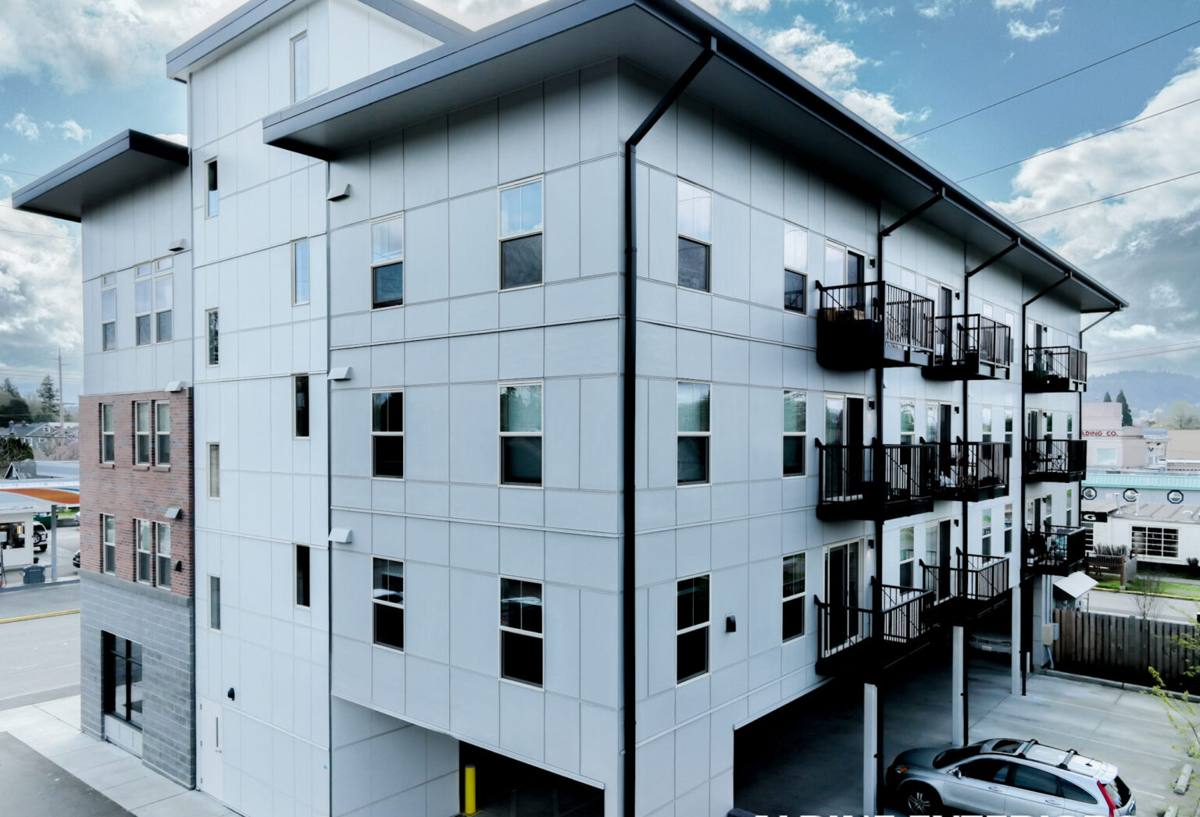
What Clearwater's Climate Actually Does to Siding
Pinellas County sits in a tough spot for exterior building materials. A few specific stressors show up again and again on the homes we work on:
- Hurricane-force winds — even homes that never take a direct hit see repeated high-wind events that flex panels, work fasteners loose, and drive rain into seams that were never designed to handle sideways water.
- Wind-driven rain — Florida storms rarely fall straight down. Rain gets pushed horizontally into laps, corners, and trim joints, which is where most hidden moisture damage starts.
- Intense, near-constant UV exposure — Florida gets more sun hours per year than most of the country, and it's harsher, more direct sun. UV breaks down paint film, dries out caulk, and fades and embrittles lower-quality siding materials faster than manufacturers' national averages would suggest.
- Salt air — Countryside isn't beachfront, but Clearwater's proximity to the Gulf means salt-laden air still reaches inland neighborhoods, especially on breezy days. Salt accelerates corrosion on fasteners and trim, and it speeds up the breakdown of finishes.
None of these factors act alone. A panel that's been flexed by wind develops a hairline gap; UV dries the caulk sealing that gap; the next wind-driven rain event pushes water behind the panel; salt air corrodes the fastener holding it. By the time a homeowner notices a visible problem, the underlying damage has usually been building for a while.
Signs a Countryside Home Needs Siding Repair
Most siding problems show themselves in small ways before they become big ones. Homeowners in Countryside should walk their exterior a couple of times a year and look for:
- Panels that look warped, bowed, or slightly separated from the wall line
- Soft or spongy spots when pressed gently, especially near the bottom of walls or below windows
- Cracking or splitting, particularly around corners, seams, and fastener points
- Paint that's peeling, bubbling, or chalking heavily to the touch
- Gaps or missing caulk at trim joints, window and door surrounds, and butt seams
- Visible fastener corrosion — rust streaks running down from nail or screw heads
- Discoloration or a musty smell near an exterior wall, which can point to moisture intrusion behind the siding
- Any area that was recently exposed to storm winds, falling debris, or a pressure washer used too aggressively
Any one of these on its own might be minor. Several showing up in the same area, or a soft spot that's spreading, means it's time to get it looked at before the damage reaches the wall sheathing underneath.
What a Correct Siding Repair Actually Involves
Diagnosing Before Patching
The most common mistake in siding repair is treating the visible symptom instead of the cause. Replacing a cracked panel without checking what's underneath — the house wrap, the flashing, the framing — just re-covers a problem that will resurface. A correct repair starts with opening up the damaged area enough to see what's actually happening behind the siding, not just at the surface.
Matching Material and Profile
Siding repair only looks right if the replacement piece matches the existing plank's exposure, profile, and finish. On homes where the original siding is aging or has been repainted multiple times, matching color and texture takes more care than just ordering a replacement piece. We factor this in before we ever touch the wall, so the repaired section doesn't stand out.
Sealing and Flashing, Not Just Fastening
Given how much of the damage we see traces back to wind-driven rain finding a way in, every repair we do treats water management as part of the job, not an afterthought. That means correct flashing at penetrations and joints, proper caulking at trim and seams using a sealant rated for Florida's UV and humidity, and fastening patterns that account for local wind-load requirements — not just whatever the original installer happened to use.
Fastener and Hardware Standards
Because salt air corrodes standard fasteners faster here than in most of the country, we use corrosion-resistant fasteners appropriate for coastal-influenced climates, even on inland neighborhoods like Countryside. It costs a little more up front and saves homeowners from finding rust streaks bleeding through their paint a few years later.
Repair vs. Replacement: How We Make the Call
Not every damaged section needs a full re-side, and not every repair request should end in one. Here's generally how the decision plays out:
| Situation | Usually a Repair | Usually Replacement |
|---|---|---|
| Damage extent | Isolated to one or two areas | Spread across multiple walls or elevations |
| Underlying wall condition | Sheathing and house wrap intact | Widespread rot or moisture intrusion found behind panels |
| Material age and condition | Siding is otherwise sound and well-maintained | Siding is past its practical service life or was a lower-durability product to begin with |
| Cause of damage | One-time event (storm impact, accidental damage) | Ongoing, systemic issue (chronic moisture, failed original installation) |
| Match feasibility | Replacement panels can reasonably match existing siding | Existing product is discontinued, badly faded, or a material we won't warranty a patch onto |
We'll always walk a homeowner through which category their home falls into and why, with photos of what we find once the area is opened up. If a repair is genuinely the right move, that's what we'll do — a legitimate local siding contractor doesn't upsell a full re-side to a homeowner who just needs three panels fixed.
Why We Repair and Install Only James Hardie Fiber Cement
When we do need to replace damaged sections, or when a repair reveals that the existing siding is a material we don't stand behind, we work exclusively with James Hardie fiber cement. We don't install vinyl, LP SmartSide, or other engineered wood products, and we're upfront about why: in a climate that combines heat, UV, humidity, and periodic hurricane winds the way Pinellas County does, non-combustible fiber cement holds up in ways those materials often can't over the long run. Vinyl can warp and deform in intense heat and doesn't hold up as well against wind-driven debris. Engineered wood products are more sensitive to sustained moisture exposure — a real risk given how much wind-driven rain this area sees.
James Hardie's HZ5 product line is engineered specifically for high-humidity, hurricane-prone climates like ours, and the ColorPlus factory finish is baked on and warrantied against fading, cracking, and peeling — which matters enormously given how hard Florida sun is on paint. When we patch or extend Hardie siding, we're working with a product designed for exactly the conditions Countryside homes face, backed by a manufacturer warranty that transfers with the home.
Our Process for Countryside Repair Jobs
- Inspection and diagnosis — we assess the visible damage and open up the affected area to check what's happening underneath before quoting anything.
- Written scope and estimate — a clear explanation of what we found, what we recommend, and why, with no pressure to upgrade beyond what the damage calls for.
- Material matching — sourcing replacement panels that match exposure, profile, and finish as closely as possible.
- Repair execution — correcting the underlying cause (flashing, sealant, fastening) alongside the cosmetic fix, not instead of it.
- Final walkthrough — reviewing the completed repair with the homeowner and confirming everything's sealed and finished to spec.
Why Hiring a Crew That Already Works in Countryside Matters
Siding repair is detail work, and the details that matter change by neighborhood. A crew that regularly works in Countryside and the surrounding Clearwater area already has a working sense of how homes here were built, what siding products were commonly used in different construction eras, and which failure patterns show up most often given the local wind exposure and humidity levels. That familiarity shortens the diagnosis phase and reduces the odds of a repair that looks fine for a year and then fails again.
It also means realistic expectations about timing and weather. Florida's storm season affects scheduling, and a local crew plans repair work around it instead of treating it as a surprise. For homeowners, that translates into fewer delays and a contractor who's actually accountable if a repair doesn't hold — not a crew that did one job in the area and disappeared.
Maintaining Repaired Siding Going Forward
A good repair should hold for years, but a little upkeep extends that considerably in this climate:
- Rinse siding periodically to clear salt residue and airborne grime before it accumulates
- Re-inspect caulk lines and trim joints annually, since Florida UV degrades sealants faster than the national average
- Trim back landscaping that traps moisture against exterior walls
- Have a professional check the exterior after any significant windstorm, even if no damage is obvious from the ground
If you're seeing warning signs on your Countryside home — soft spots, cracking, peeling paint, or damage from a recent storm — we're happy to take a look and give you a straight answer about what it needs. Reach out for a free, no-pressure estimate using the form below.