 Clearwater Siding
 What Harbor Oaks Homes Are Up Against
Harbor Oaks sits close to the water in Clearwater, and that proximity is a double-edged sword. It's part of what makes the neighborhood desirable, and it's also what puts extra stress on every exterior surface of a home. Salt-laden air moves in off the Gulf and Tampa Bay and settles on siding, trim, and fasteners year-round, not just during storm season. Add in Pinellas County's intense, near-constant UV exposure, sudden wind-driven downpours, and the real possibility of hurricane-force winds during the season, and you have a climate that is genuinely hard on exterior building materials. Siding here isn't just a cosmetic layer — it's the first line of defense for the wall assembly behind it.
We install and replace siding in this part of Clearwater regularly, and the failures we get called out to inspect almost always trace back to the same root causes: materials that weren't rated for this climate, installation shortcuts that let moisture behind the siding, or products that simply weren't designed to hold up to salt air and UV at Gulf Coast intensity. A siding job done right in Harbor Oaks has to account for all of that from the start, not patch around it later.
Harbor Oaks' Housing Stock Isn't One-Size-Fits-All
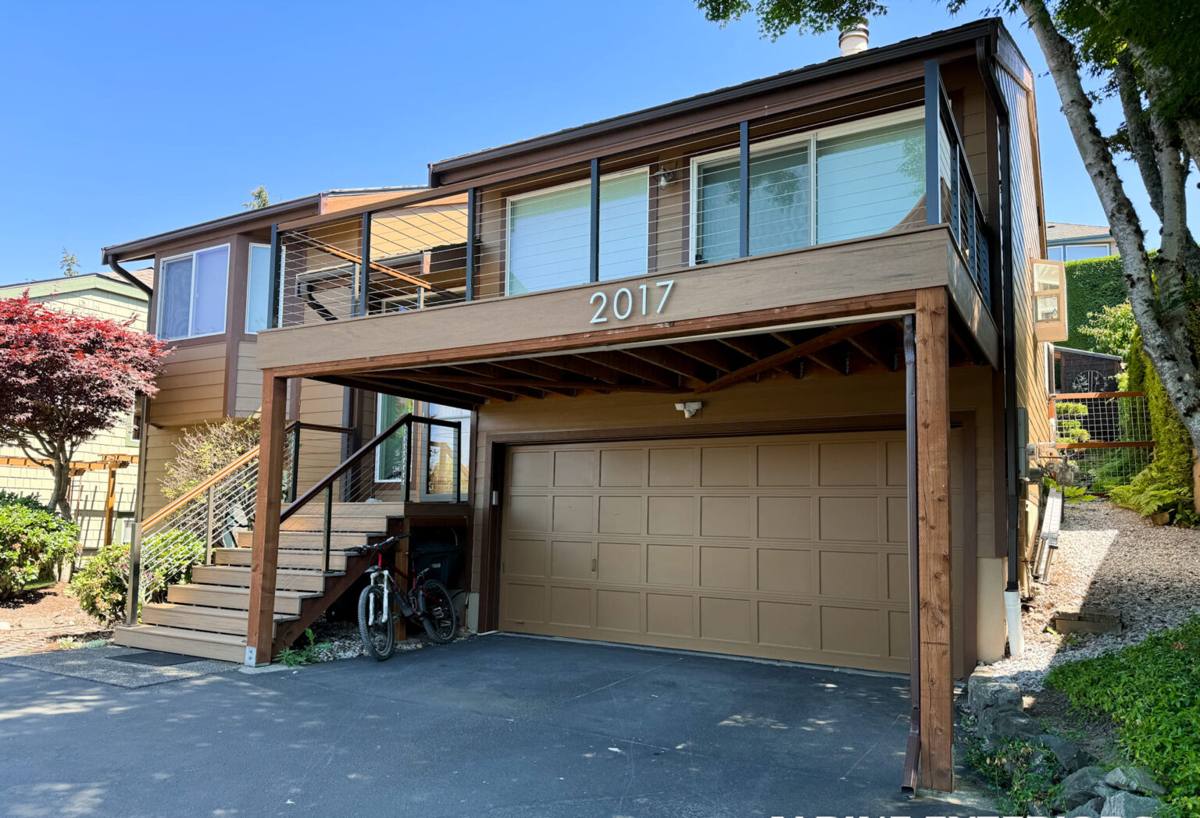
Harbor Oaks has a mix of older, established homes alongside newer construction and renovations, and the age and style of a house changes what a siding project actually involves. Older homes often have wall assemblies, trim details, and window and door proportions that don't match modern siding profiles off the shelf. Some have had multiple exterior updates over the decades, which means what's actually under the current siding — sheathing condition, old fastener patterns, prior water damage — can be a surprise until it's opened up.
That's a big part of why we don't treat siding replacement as a standardized, pull-off-and-nail-up job. A correct install starts with understanding what's actually on the wall now, not assuming it matches a spec sheet. For a neighborhood with this much variation in home age and construction, that assessment step matters more than it does in a subdivision full of identical new builds.
What We Look For Before Recommending Anything
- Condition of the existing sheathing and any signs of past moisture intrusion
- How windows, doors, and trim are currently flashed and whether that flashing is still doing its job
- Corrosion on existing fasteners, vents, or flashing metal — a strong tell for salt air exposure over time
- Whether the home's architectural style calls for a specific siding profile, reveal, or trim detail to look right
- Any areas with limited roof overhang, which take more direct wind-driven rain and need extra attention
Why We Only Install James Hardie Fiber Cement
We made a decision as a company to install James Hardie fiber cement siding exclusively — not vinyl, not LP SmartSide, not Cemplank, Allura, primed spruce, or cedar. That's not a marketing position, it's a practical one, built on what actually holds up in Gulf Coast conditions over the long haul.
Fiber cement is non-combustible and dimensionally stable, meaning it doesn't expand, contract, warp, or buckle the way wood-based and some engineered wood products can when they cycle through Florida's heat, humidity, and sudden temperature swings. James Hardie's ColorPlus finish is baked on at the factory under controlled conditions, which gives it more consistent, longer-lasting color retention under intense UV than field-applied paint typically achieves. And James Hardie backs its climate-specific product lines with a strong, transferable limited warranty — which only means something if the product is engineered for the climate it's installed in and put on correctly in the first place.
That last part is worth being direct about: any siding product can underperform if it's the wrong fit for the climate or if it's installed poorly. We've simply concluded, after years of working on homes exposed to this kind of salt air, UV, and wind, that James Hardie's fiber cement system gives homeowners the best combination of durability, appearance, and long-term value — and we'd rather stand behind one product installed correctly than offer several and have some of them let homeowners down.
James Hardie's Climate-Engineered Product Lines
James Hardie doesn't make one generic siding product — it engineers different formulations for different climate zones. Florida, including Clearwater and the rest of Pinellas County, falls into James Hardie's HZ5 zone, which is formulated specifically for high-humidity, high-moisture, high-UV coastal conditions. That's different from the HZ10 formulation used in drier, colder parts of the country. Installing the correct HZ-rated product for this region is a baseline requirement, not an upgrade.
For Harbor Oaks specifically, most projects fall into one of these categories:
| Product Line | Best Suited For | Key Feature |
|---|---|---|
| HardiePlank Lap Siding | Traditional and updated home exteriors | Classic horizontal reveal, widest color and texture range |
| HardieShingle | Accent gables, dormers, coastal-style detailing | Staggered or straight-edge shingle profile |
| HardiePanel Vertical Siding | Modern facades, porch and entry accents | Clean vertical lines, often paired with board-and-batten trim |
| HardieTrim | Corners, fascia, window and door surrounds | Matches ColorPlus finish for a uniform system |
What Correct Installation Actually Involves
James Hardie siding performs the way it's rated to perform only when it's installed to the manufacturer's specifications. In a climate like this one, skipped details show up as problems within a few years, not decades.
Moisture Management and Flashing
Every penetration — windows, doors, hose bibs, light fixtures, vents — needs proper flashing and weather-resistant barrier integration so wind-driven rain can't work its way behind the siding. This is the single most common failure point we find on older Harbor Oaks homes: siding that looks fine from the street but has years of moisture intrusion happening behind it because flashing was skipped or done wrong during a prior renovation.
Fastening and Clearances
James Hardie specifies exact fastener types, spacing, and penetration depth, along with minimum clearances from grade, roof lines, and other surfaces. Getting clearances wrong traps moisture against the bottom edge of the siding — one of the fastest ways to shorten its lifespan regardless of how good the product itself is. In a salt-air environment, fastener material matters too; the wrong fasteners corrode faster and can streak or fail early.
Joints, Caulking, and Finish Work
Butt joints, corners, and trim transitions need to be treated correctly — caulked where specified, left to breathe where specified — because getting this backwards traps water instead of shedding it. This is also where a rushed installation shows up cosmetically first, with visible gaps, inconsistent reveals, or premature caulk failure under UV exposure.
What Affects the Cost of a Harbor Oaks Siding Project
Every home is different, so we don't quote sight-unseen, but these are the main factors that move the price up or down on most Harbor Oaks projects:
| Factor | Why It Matters |
|---|---|
| Condition of existing sheathing | Rot or moisture damage found during tear-off means repair before new siding goes on |
| Home size and wall complexity | More corners, dormers, and architectural detail means more labor and trim work |
| Siding profile and accents | Mixing lap siding with shingle accents or vertical panels adds material and labor cost |
| Trim and color package | Custom trim details and premium ColorPlus color selections vary in price |
| Access and site conditions | Mature landscaping, tight setbacks, and multi-story sections affect labor time |
Our Process, Start to Finish
Assessment and Measurement
We walk the full exterior, check the condition behind existing siding where accessible, note flashing and trim details, and take precise measurements so the estimate reflects the actual home, not a generic square-footage guess.
Prep and Protection
Landscaping, windows, and outdoor living areas get protected before tear-off starts. Old siding comes off in sections so we can inspect sheathing as we go rather than discovering problems after the whole wall is exposed.
Installation to Spec
New weather-resistant barrier and flashing go in first, then James Hardie siding is installed following manufacturer fastening, clearance, and joint specifications throughout — not just where it's convenient.
Final Walkthrough
We inspect every elevation with the homeowner before calling the job complete, checking reveals, trim lines, caulking, and paint touch-ups so nothing gets signed off with shortcuts.
What Harbor Oaks Homeowners Should Watch For Afterward
Correctly installed James Hardie siding is low-maintenance, but low-maintenance isn't no-maintenance — especially this close to the water. A short annual check goes a long way toward catching small issues before they become expensive ones.
- Rinse siding periodically to clear salt residue and airborne debris, especially on sides facing open water or prevailing wind
- Check caulking at joints, trim, and penetrations once a year for cracking or separation
- Look for any staining or streaking near fasteners, which can signal early corrosion
- Keep gutters clear so overflow isn't running down the siding face repeatedly
- After a major storm, walk the exterior for loose trim, impact marks, or gaps that weren't there before
Why It Matters That We Already Work in Harbor Oaks
A crew that's worked this neighborhood before isn't guessing at what Harbor Oaks homes need — they've already seen how the mix of home ages, wall assemblies, and coastal exposure here plays out in real installations. That familiarity shows up in small but meaningful ways: knowing what to check for on an older wall before quoting the job, understanding how Clearwater's permitting process works for exterior projects, and having a realistic sense of how wind and rain exposure varies from one side of the neighborhood to another. It also means we're not learning on your house — the judgment calls that separate a siding job that lasts twenty-plus years from one that needs attention in five come from having made those calls here before, on homes like yours, in this exact climate.
If you're weighing a siding replacement or repair for your Harbor Oaks home, we're happy to take a look and give you a straightforward, no-pressure assessment of what your home actually needs. Use the form below to request a free estimate.