 Clearwater Siding
 Siding Replacement Built for Del Oro's Exposure
Del Oro sits inside Pinellas County's coastal climate zone, which means every wall of siding on these homes is fighting a longer, harder battle than siding does almost anywhere else in the country. Hurricane-force wind events, UV exposure that runs strong nearly all year, wind-driven rain that gets pushed sideways into wall assemblies, and a steady drift of salt air off the Gulf all combine to shorten the life of the wrong siding product and expose the weak points of a poorly executed installation. When we replace siding on a Del Oro home, we're not just swapping old panels for new ones — we're rebuilding the exterior envelope to actually hold up to this specific environment.
This page is about one job in one area: full siding replacement for homes in and around Del Oro. It's not a general overview of siding — it's what we've learned works, and what fails, on houses facing this exact climate.
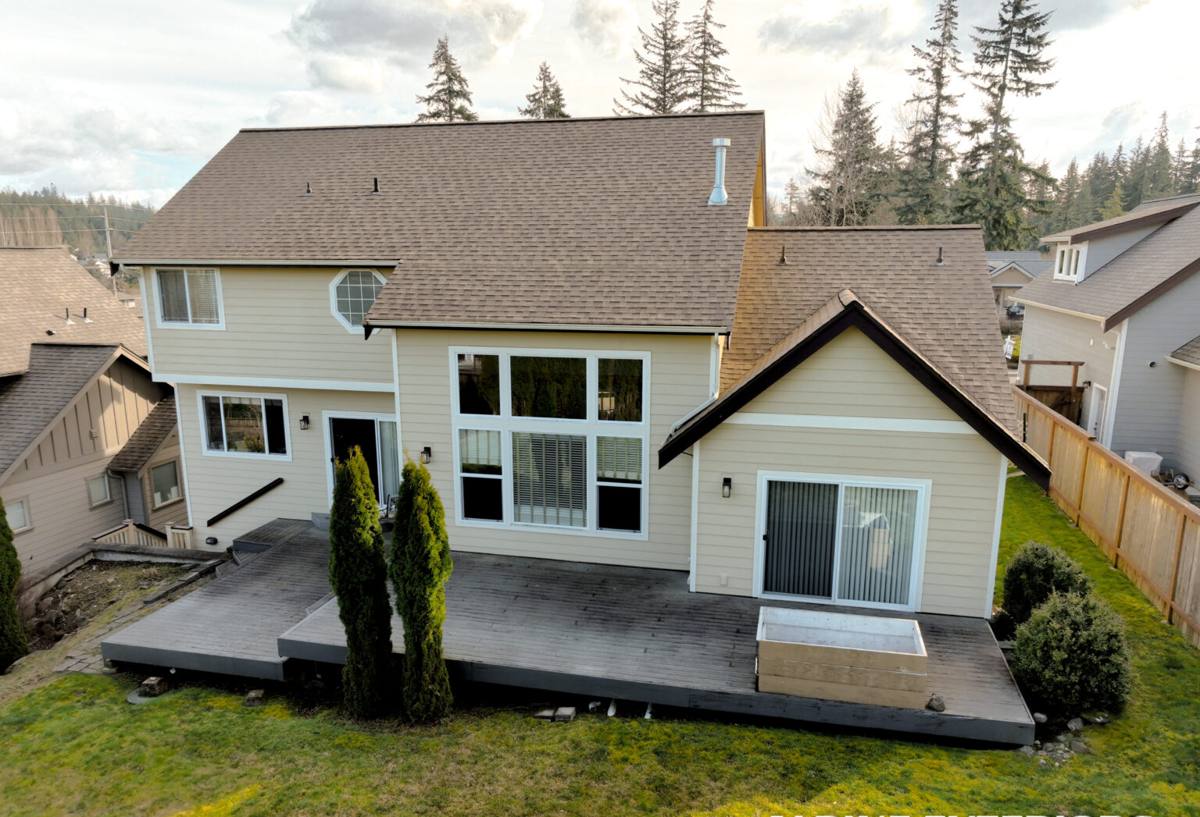
What Clearwater's Climate Actually Does to Siding
UV and Heat
Florida sun is relentless on painted or coated wood-based products. Field-applied paint chalks, fades unevenly, and starts peeling years before a homeowner expects it to. Repeated heat cycling also stresses seams, caulk joints, and fastener lines, which is where water eventually finds its way in.
Wind-Driven Rain
Rain in a hurricane-adjacent climate rarely falls straight down. It gets driven sideways under eaves, around window and door trim, and into lap joints that aren't sealed or flashed correctly. Siding that isn't installed with the right clearances, flashing details, and fastening pattern will let water behind it long before the surface itself looks damaged.
Hurricane and Tropical Storm Wind Loads
Pinellas County homes need siding rated and installed to withstand real wind pressure, not just labeled for it. Under-fastened panels, wrong nail patterns, or products not engineered for high-velocity wind zones are a common cause of siding failure during and after storms — often not from the storm that hits, but from cumulative loosening over several seasons of lesser wind events.
Salt Air
Even a few miles inland from the water, airborne salt accelerates corrosion of fasteners and metal trim, and it degrades certain coatings faster than manufacturers' standard testing accounts for. Material choice and fastener choice both matter more here than in a landlocked climate.
Signs a Del Oro Home Needs Siding Replacement, Not Just Repair
Not every siding problem means a full replacement, but in this climate, small symptoms tend to point to bigger issues underneath. Homeowners in Del Oro should watch for:
- Soft, spongy, or bubbling spots when you press on the siding, especially near the bottom courses and around window trim
- Visible warping, cupping, or buckling panels, particularly on walls that face prevailing wind and rain
- Paint that's peeling, blistering, or chalking heavily within just a few years of the last paint job
- Gaps opening up at seams, corners, or trim boards that weren't there when the siding was newer
- Visible mold, mildew, or dark staining that keeps returning after cleaning
- Rust streaking from fasteners or trim, a common sign of coastal salt exposure on the wrong hardware
- Rising energy bills that track with siding age, which often points to a failing moisture or air barrier behind the panels
Any one of these can be isolated. Several at once, especially combined with the home's age, usually means the whole system — not just the visible panels — needs to come off and be rebuilt correctly.
Why We Only Install James Hardie Fiber Cement
We made a decision as a company to install James Hardie fiber cement siding exclusively, and we don't waver from it, including on Del Oro jobs. We don't install vinyl, LP SmartSide, Cemplank, Allura, or primed wood siding like spruce or cedar. That's not a marketing position — it's a standard we hold because of what we've seen these products do, and not do, in exactly this kind of coastal, high-UV, high-wind climate.
Fiber cement is non-combustible, which matters in a state where wildfire and ember exposure are a real, if less-discussed, risk alongside hurricanes. It's dimensionally stable under heat and humidity swings, so it doesn't expand, contract, and pull at seams the way some wood-based and engineered wood products can. Hardie's ColorPlus factory-applied finish is baked on under controlled conditions and backed by its own finish warranty, which avoids the uneven fading and premature repainting that field-applied coatings often need in this sun. And Hardie's HZ product lines are specifically engineered for humid, coastal, high-moisture regions like ours, rather than a one-size-fits-all national spec.
We're not going to tell homeowners that every other siding product is junk — that's not fair, and it's not accurate. Vinyl is inexpensive and low-maintenance in mild climates. Engineered wood products have real strengths in dry regions. What we will say is that after years of installing and repairing siding in this exact climate, we don't think those trade-offs hold up well against Pinellas County wind, sun, and salt, and we're not willing to put our name on installations we don't believe will last here.
What a Correct Siding Replacement Involves
A siding replacement is only as good as what's underneath the new panels. On every Del Oro project, correct installation means:
Full Tear-Off and Substrate Inspection
We remove the existing siding down to the sheathing so we can actually see the wall, not guess at its condition. Any rot, soft sheathing, or water damage gets addressed before anything new goes up — covering a hidden problem with new siding just delays a much more expensive repair.
Weather-Resistive Barrier
A properly lapped and sealed weather-resistive barrier goes on before the siding, giving the wall a second line of defense against wind-driven rain that gets past the outer surface.
Flashing at Every Penetration
Windows, doors, hose bibs, vents, and any other wall penetration need correctly installed flashing and sealant. This is the single most common place we find failures on homes that had siding installed without attention to detail — it's invisible once the job looks "done," until water starts getting in behind it.
Fastening for Wind Zone
Fastener type, spacing, and pattern are set to meet the wind zone requirements for this part of Pinellas County, not a generic national minimum. Corrosion-resistant fasteners matter here specifically because of salt air.
Manufacturer-Specified Clearances
Proper clearance from grade, roofing, decks, and other transitions keeps moisture from wicking into the bottom of the siding, which is one of the most common failure points we see on homes near the water.
Our Process for Del Oro Projects
- On-site assessment — we walk the exterior, check the current siding and substrate condition, and identify problem areas specific to that home's exposure and orientation.
- Scope and product selection — we recommend the right Hardie product line, plank profile, and color for the home, factoring in sun exposure and wind exposure by wall.
- Tear-off and substrate repair — old siding comes off, damaged sheathing or framing gets repaired, and the wall is prepped correctly before anything new is installed.
- Weather barrier and flashing installation — the moisture management system goes in first, correctly lapped and sealed at every penetration.
- Hardie siding installation — panels are installed to manufacturer spec and local wind-zone fastening requirements.
- Final walkthrough — we inspect the completed work with the homeowner before calling the job done.
What Affects the Cost of a Del Oro Siding Replacement
Every home is different, but these are the factors that most often move the price up or down on a project like this:
| Cost Factor | Why It Matters |
|---|---|
| Home size and wall area | More square footage means more material and labor, straightforwardly |
| Substrate condition | Rot or water damage found during tear-off adds repair work before new siding can go on |
| Architectural detail | Homes with more trim, corners, gables, and window/door openings take longer to flash and finish correctly |
| Hardie product line | HZ5 and HZ10 lines, plank profiles, and panel styles carry different material costs |
| Color and finish | Factory ColorPlus finishes vs. field-painted options affect both cost and long-term maintenance |
| Site access | Two-story walls, tight lot lines, or landscaping obstacles can affect labor time |
We provide a written estimate after seeing the home in person — we don't quote sight unseen, because the substrate condition alone can change the scope significantly.
Why Local Experience in Del Oro Matters
A crew that regularly works Clearwater and the surrounding Pinellas County neighborhoods knows the permitting process, the wind-zone requirements that apply here, and the specific ways this coastal climate attacks a home's exterior over time. That's different from a contractor working from a generic national playbook. Local experience also means we've seen how homes in this area age — which walls take the worst of the sun, which corners take the worst of wind-driven rain, and where salt air does its damage first. That knowledge shapes how we detail flashing, choose fasteners, and sequence a job, not just what product goes on the wall.
It also means accountability. A crew that plans to keep working in this community has every reason to get the details right the first time, because callbacks and repeat referrals both run through the same neighborhood.
Ready to Talk About Your Del Oro Home?
If your siding is showing its age, or you just want an honest read on whether it's a repair situation or a replacement situation, we're happy to take a look. Request a free, no-pressure estimate using the form below, and we'll walk your home's exterior with you and tell you straight what we see.