 Clearwater Siding
 Siding Installation Built for Coachman Ridge's Climate
Coachman Ridge sits inland from the coastline but is still fully exposed to everything Pinellas County weather throws at it over the course of a year — hurricane-force wind events, months of intense subtropical UV, wind-driven rain that finds every gap in a wall system, and a steady drift of salt air off Tampa Bay and the Gulf. Siding here isn't just an appearance upgrade. It's the first line of defense for the wood framing, sheathing, and insulation behind it, and it has to hold up to conditions most of the country never deals with.
We install siding on Coachman Ridge homes regularly, and the patterns are consistent: aging siding that's cupping, cracking, or holding moisture at the seams; trim and fascia that rotted out from behind failed caulk joints; and homeowners who were told their siding would last 30 years and got 12. This page covers what siding installation actually needs to accomplish in this specific climate, what a correct job looks like from the framing out, and why we standardized on one product system instead of offering a menu of options.
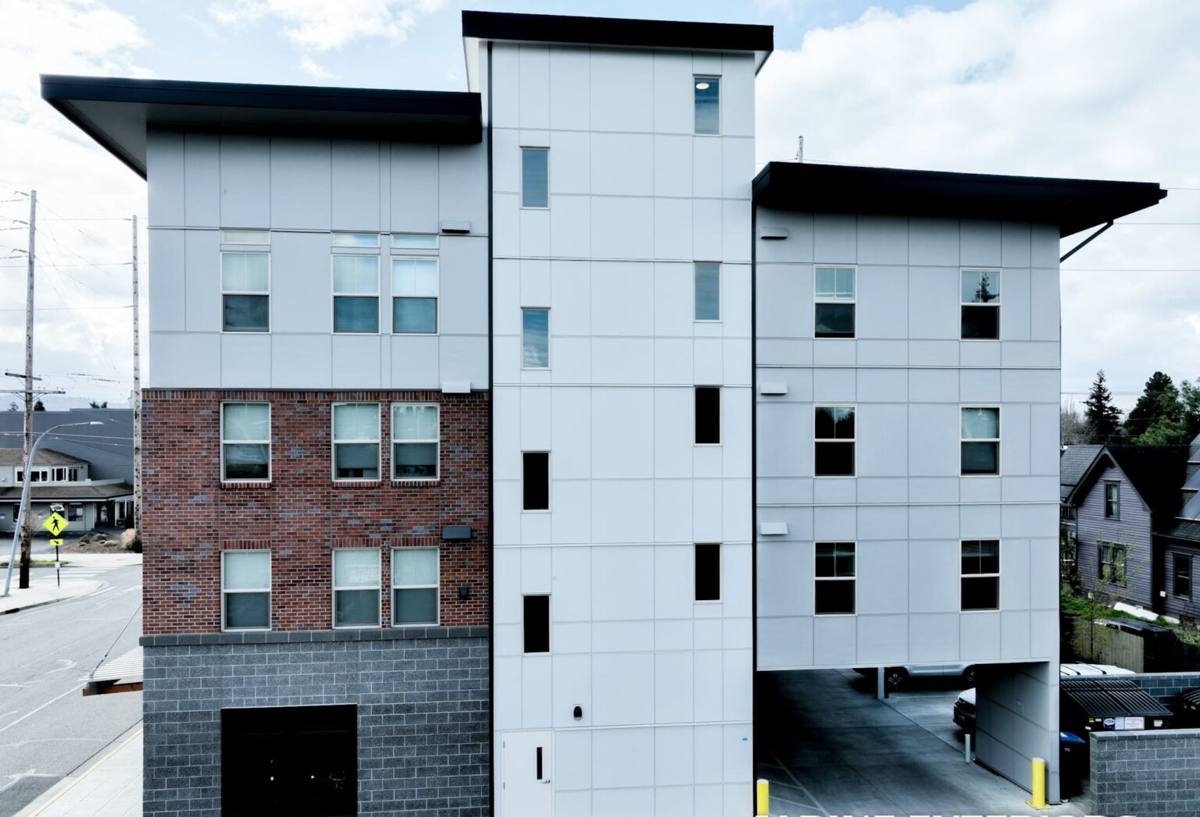
What Clearwater's Climate Actually Does to Siding
UV and Heat
Florida sun is relentless. Siding faces near-constant UV exposure for most of the year, and cheaper finishes chalk, fade, and become brittle well before the substrate underneath fails. A finish that can't hold color and flexibility under sustained UV load turns into a maintenance project within a few years of installation.
Wind-Driven Rain
Tropical storms and summer thunderstorms in this area don't just drop rain — they drive it sideways, straight into wall assemblies. Any siding installation that relies on face-sealing (caulk and paint alone, with no drainage plane behind it) will eventually let water in. Once water gets behind siding and can't get back out, it doesn't matter how good the surface material looks — the wall is failing from the inside.
Hurricane-Force Wind
Pinellas County homes need siding and fastening systems rated to hold up under real wind load, not just look good on a calm day. Fastener spacing, panel engagement, and edge details all matter more here than in most of the country, because a wind event will find every shortcut in the installation.
Salt Air
Even set back from the immediate coastline, Coachman Ridge gets enough salt-laden air drift that corrosion-prone fasteners and trim hardware degrade faster than inland-climate products were ever designed for. Material choice and fastener choice both need to account for this, not just the siding panel itself.
Why We Install Only James Hardie Fiber Cement
We made a deliberate decision to install one siding system — James Hardie fiber cement — rather than offering vinyl, LP SmartSide, or other fiber cement brands as cheaper alternatives. That's not a sales position; it's a standard we hold because of what we've seen happen to other products in exactly this climate.
- Non-combustible: Fiber cement doesn't feed a fire the way vinyl or wood-based siding can, which matters for both safety and insurance considerations.
- Engineered for Florida specifically: Hardie's HZ5 product line is formulated for high-humidity, high-moisture climates like ours, with different engineering than the versions sold in drier northern markets.
- ColorPlus factory finish: A baked-on finish applied under controlled conditions holds color and resists UV fade far longer than field-applied paint, which is exactly what breaks down first under Clearwater sun.
- Dimensionally stable: Fiber cement doesn't expand, contract, and warp with humidity swings the way vinyl and wood-composite products can, so seams and fastener lines stay tight over time.
- Transferable warranty: A strong, transferable warranty protects the product through a home sale, which matters in a market where houses change hands regularly.
We're not going to tell you every other siding product on the market is worthless — vinyl and LP SmartSide both have legitimate use cases and loyal installers. What we will say is that after years of servicing and repairing siding in this exact climate, we stopped being willing to put our name on products that consistently underperform here. Fiber cement, installed correctly, is what we're confident standing behind.
What Correct Siding Installation Actually Involves
The siding panel itself is maybe half the job. The other half — the part that's invisible once the project is done — is what determines whether the installation lasts 10 years or 40.
The Assembly Behind the Siding
- Inspection and repair of sheathing before anything new goes up — rotted or water-damaged sheathing gets replaced, not covered over
- A code-compliant weather-resistive barrier installed with proper lapping and sealed penetrations
- Correct flashing at every window, door, and roofline intersection — this is where most water intrusion actually starts
- A drainage plane that lets any moisture that does get behind the siding escape, rather than trapping it against the sheathing
- Manufacturer-specified fastener type, length, and spacing — under-fastened or wrong-fastener installs are a common cause of premature failure and voided warranties
- Proper clearance between siding and grade, roofing, and other surfaces to avoid wicking moisture
- Caulking and sealant only where the manufacturer specifies it — not as a substitute for proper flashing
Any one of these steps done wrong can undermine an otherwise good siding product. This is also why we don't recommend judging a siding bid on panel cost alone — the labor and detailing behind the wall are where quality is actually won or lost.
Our Process on a Coachman Ridge Home
- On-site assessment: We walk the exterior, check for existing moisture damage, evaluate the current wall assembly, and take real measurements — not a phone estimate.
- Written scope and product selection: You get a clear plan covering which Hardie product line, profile, and color fit the home, along with a written cost breakdown.
- Tear-off and substrate repair: Old siding comes off, and any compromised sheathing or framing is repaired before anything new is installed — this step gets documented, not hidden.
- Weather barrier and flashing installation: The drainage plane and flashing details go in before a single piece of visible siding is hung.
- Hardie installation to manufacturer spec: Fastening, spacing, and clearances follow Hardie's published installation requirements, which is also what keeps the product warranty valid.
- Final inspection and walkthrough: We review the finished work with you directly before calling the job complete.
Cost Factors for a Coachman Ridge Siding Project
Every home is different, but the same variables drive cost on nearly every project we scope in this area:
| Factor | Why It Matters |
|---|---|
| Home size and wall complexity | More square footage and more corners, gables, and dormers mean more material and more labor hours |
| Condition of existing sheathing | Hidden rot or water damage found during tear-off adds repair work that can't be priced sight-unseen |
| Hardie product line selected | Lap siding, shingle-style panels, and board-and-batten profiles carry different material costs |
| Trim and accessory scope | Fascia, soffit, and trim work bundled into the project add cost but improve the finished result and durability |
| Access and site conditions | Multi-story sections, tight lot lines, and landscaping obstacles affect labor time |
| Color and finish selection | Factory ColorPlus finishes vary slightly in cost by color and sheen |
Be cautious of any quote that's dramatically lower than the others you collect — in most cases it means one of the steps described above (proper flashing, correct fastening, sheathing repair) has been left out of the scope, not that the contractor found a more efficient way to do the job.
Why Local Experience in This Area Matters
A contractor who works Coachman Ridge and the surrounding Clearwater neighborhoods regularly knows what to expect before the ladder goes up — the kind of sheathing and wall construction common to homes of a given age in this area, the wind and moisture exposure typical of the local terrain, and what permitting and inspection look like under Pinellas County's building requirements. That familiarity shortens the assessment phase and reduces the odds of a mid-project surprise turning into a change order.
It also matters after the job is done. A crew that's still working in your neighborhood next year is a crew that has a reason to stand behind the installation it did last year. That's a different incentive structure than a company that treats every job as a one-time transaction.
Maintenance and What to Watch For
Correctly installed James Hardie siding is low-maintenance, not no-maintenance. A simple annual routine keeps it performing the way it's designed to:
- Rinse the siding periodically to clear salt residue and airborne grime, especially on sides of the house facing prevailing wind
- Walk the exterior after major storms and check caulk joints around windows, doors, and trim for cracking or separation
- Watch for any soft spots, staining, or discoloration near the base of walls, which can indicate moisture getting trapped behind the siding
- Keep sprinklers and landscaping from spraying siding directly and repeatedly
- Repaint or touch up trim on the manufacturer's recommended schedule, even though the ColorPlus finish itself doesn't need repainting
If your current siding is showing any of these signs already — or if it's original to a home that's due for a replacement cycle — it's worth having it looked at before minor issues become structural ones.
If you're weighing a siding project for a Coachman Ridge home, we're glad to come take a look and give you a straightforward, no-pressure estimate — what we'd recommend, what it would involve, and what it would cost, with no obligation attached. Use the form below to get started.