 Clearwater Siding
 Metal Roofing in Safety Harbor: What the Climate Actually Demands
Safety Harbor sits along the water in Pinellas County, which means homes here take on a specific combination of stress that inland Florida properties don't deal with in the same way. You've got hurricane-force wind gusts during storm season, intense UV exposure nearly every day of the year, wind-driven rain that gets pushed sideways under poorly sealed edges, and a steady dose of salt air drifting in off the harbor. Any one of these factors will wear down a roof over time. Together, they're the reason so many homeowners in this area are moving away from asphalt shingles and toward metal roofing systems that are actually engineered for coastal conditions.
Metal roofing done right handles all four of those stressors well. Metal roofing done wrong — wrong fastener spec, wrong underlayment, wrong panel seam type for this exposure — fails faster here than it would forty miles inland. That's the gap we're addressing on this page: not "why metal roofing," but why the details matter specifically for a Safety Harbor home.
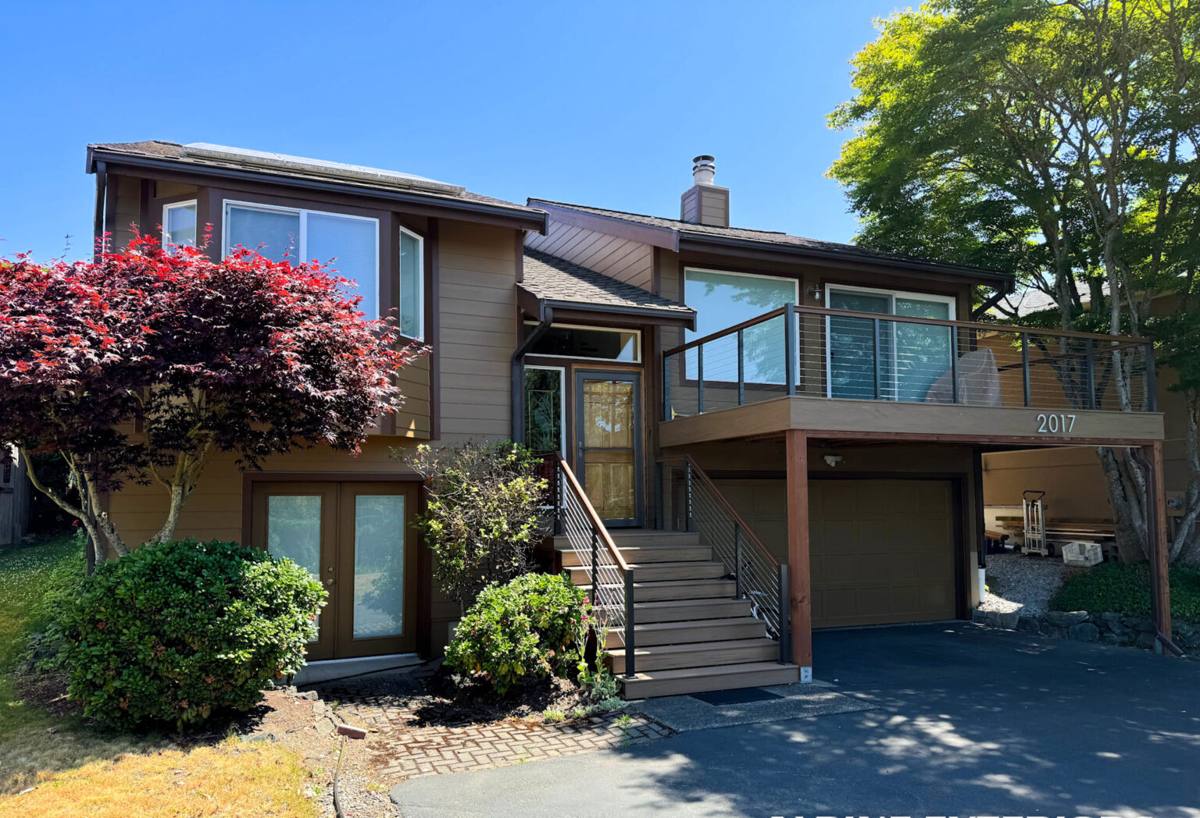
What a Safety Harbor Home Needs From Its Roof
Wind Resistance That Matches Real Storm Exposure
Homes near the water get more direct wind load than homes tucked further inland, and roofs fail at the edges and corners first — that's where uplift pressure concentrates during a hurricane or even a strong summer squall. A metal roof's wind performance comes down to the fastening system and panel type, not just the material itself. A standing seam roof with concealed clips rated for high wind uplift behaves very differently in a storm than a lower-grade exposed-fastener panel installed with standard spacing.
UV and Heat Cycling
Florida sun is hard on roofing materials year-round, not just in summer. Metal roofs handle UV better than asphalt because they don't have oils and granules that bake out and degrade — but the paint finish and coating quality still matter. A cheap finish will chalk and fade faster under this level of sun exposure, and repeated heat expansion and contraction over years can work fasteners loose if the panel system wasn't installed with the right float and clip tolerances.
Wind-Driven Rain Intrusion
This is the one homeowners underestimate most. Rain that comes in almost horizontal during a storm doesn't behave like normal rainfall — it gets pushed uphill under laps, around penetrations, and through any gap in flashing that a fair-weather installation would never expose. A roof that looks fine in dry conditions can still leak badly in a wind-driven event if the underlayment, flashing details, and seam sealing weren't built for that scenario.
Salt Air Corrosion
Being close to the harbor means airborne salt is a constant, low-level presence on every exterior surface, including the roof. Salt accelerates corrosion on fasteners, exposed cut edges, and lower-grade metals. It doesn't ruin a properly specified coastal metal roof, but it will find every weak point in a system that wasn't chosen with that exposure in mind.
Getting the Metal System Spec Right for This Area
Not every metal roofing product marketed as "coastal" or "hurricane rated" is actually built for a harbor-adjacent property like the ones in Safety Harbor. The panel gauge, coating system, fastener material, and seam style all need to be matched to the exposure, not just picked off a standard spec sheet.
| Factor | Why It Matters Here | What We Look For |
|---|---|---|
| Panel gauge | Thinner panels dent and oil-can more easily and offer less wind resistance | Adequate gauge for the panel profile and wind zone, not the thinnest option available |
| Coating/finish | Constant UV and salt exposure accelerates fading and corrosion on weak finishes | A coating system rated for coastal and high-UV environments |
| Fasteners | Salt air corrodes mismatched or lower-grade fasteners first, often years before the panels fail | Fastener material compatible with the panel metal to avoid galvanic corrosion |
| Seam type | Exposed-fastener panels have more penetration points for wind-driven rain | Standing seam with concealed clips where budget and roof design allow |
| Underlayment | The panel is only the top layer — the underlayment is the backup against wind-driven rain | A high-quality synthetic or self-adhered underlayment suited to the roof pitch and exposure |
We'll walk through these choices with you in plain terms during the estimate — what fits your roof, your budget, and your actual exposure, and what trade-offs come with each option. We're not going to install a system we don't think will hold up here just because it's cheaper up front; that's a decision we'll be honest about, not one we'll dress up with sales language.
What a Correct Installation Involves
The material choice is only half the job. Installation quality is what determines whether a metal roof performs the way it's supposed to for the next 30-50 years. A correct installation on a Safety Harbor home typically includes:
- Full tear-off and deck inspection — metal goes over solid, sound decking, not over hidden rot or soft spots
- Repair or replacement of any damaged decking before underlayment goes down
- Installation of a wind-and-water-rated underlayment across the full roof, with extra attention at valleys and eaves
- Correct clip and fastener spacing matched to the wind zone and panel manufacturer's specifications
- Properly formed and sealed flashing at every penetration — vents, chimneys, skylights, and wall transitions
- Ridge and hip caps installed with ventilation in mind, not just appearance
- A final walk-through where we show you the work before we consider the job done
Skipping or rushing any one of these steps is usually where roofs that "should have held up" end up leaking or failing in the next big storm.
Our Process for Safety Harbor Roofing Projects
1. On-Site Assessment
We start with a full inspection of your existing roof, decking condition, and any problem areas — not a drive-by estimate. We look at how your roof is currently handling wind and water, not just what it looks like from the ground.
2. Honest Options, No Pressure
We'll lay out the metal system options that make sense for your roof and budget, explain the real differences between them, and let you decide. If a lower-cost option is genuinely a reasonable fit for your situation, we'll tell you that too.
3. Scheduled, Weather-Aware Installation
Florida weather doesn't always cooperate, so we plan installation windows around forecasts and keep your home protected if conditions shift mid-project.
4. Final Inspection and Walkthrough
Before we call the job finished, we go over the completed roof with you — flashing details, seams, ridge work — so you know exactly what was done and why.
Why a Local Crew Matters for This Job
Metal roofing that's correctly built for one region can be wrong for another. A crew that mostly works inland jobs may not default to coastal-grade fastener specs or the underlayment upgrades that matter for wind-driven rain near the water. A crew that regularly works in and around Clearwater and Safety Harbor already knows what this specific stretch of Pinellas County throws at a roof, and specs the job accordingly without needing to be told.
Local also means faster response if something needs attention after a storm, and a crew that's still around — and easy to reach — years after the install, not a name you only recognize from a one-time sales visit.
Maintenance: What Keeps a Metal Roof Performing Long-Term
- Periodic visual inspection of flashing points, especially after major storms
- Keeping gutters and valleys clear of debris so water isn't pooling against seams
- Checking for any loose fasteners or panel movement after high-wind events
- Rinsing off accumulated salt residue periodically, especially on lower-sloped sections
- Addressing any scratched or exposed coating promptly to prevent localized corrosion
None of this is heavy maintenance — metal roofs are low-upkeep by design — but a few minutes of attention after a bad storm season can catch a small issue before it becomes a leak.
What This Typically Costs
Metal roofing costs more up front than asphalt shingles, and the range depends heavily on panel type, roof complexity, and the underlayment and flashing package we spec for your specific exposure. Standing seam systems run higher than exposed-fastener panel systems, and a roof with lots of valleys, dormers, or penetrations costs more to flash correctly than a simple gable roof. We'll give you a real number after the on-site assessment — not a phone-quote guess — because the honest price depends on what your roof actually needs, not a generic square-footage formula.
Ready for a Straight Answer on Your Roof?
If you're weighing metal roofing for a home in Safety Harbor or elsewhere in the Clearwater area, we're happy to take a look and give you a straightforward assessment — what your roof needs, what it doesn't, and what a correct job actually costs. No pressure, no inflated urgency. Use the form below to request a free estimate and we'll get back to you to schedule a time.