 Clearwater Siding
 Asphalt Shingle Roofing for Safety Harbor Homes
Safety Harbor sits along the water on the north side of Clearwater, and that location shapes what a roof has to put up with here. Homes in this part of Pinellas County deal with the same punishing sun and storm exposure as the rest of the coast, plus the added moisture and salt that comes with being close to the harbor. An asphalt shingle roof that's installed correctly for this environment can go the distance. One that's installed to a generic national spec, without accounting for local wind and moisture conditions, tends to show problems years before it should.
We work on asphalt shingle roofs throughout Safety Harbor and the surrounding Clearwater area on a regular basis, which means we're not guessing at what holds up here and what doesn't. This page covers what local homes actually need from a shingle roof, what a correct installation looks like, and how we handle the job from first estimate to final cleanup.
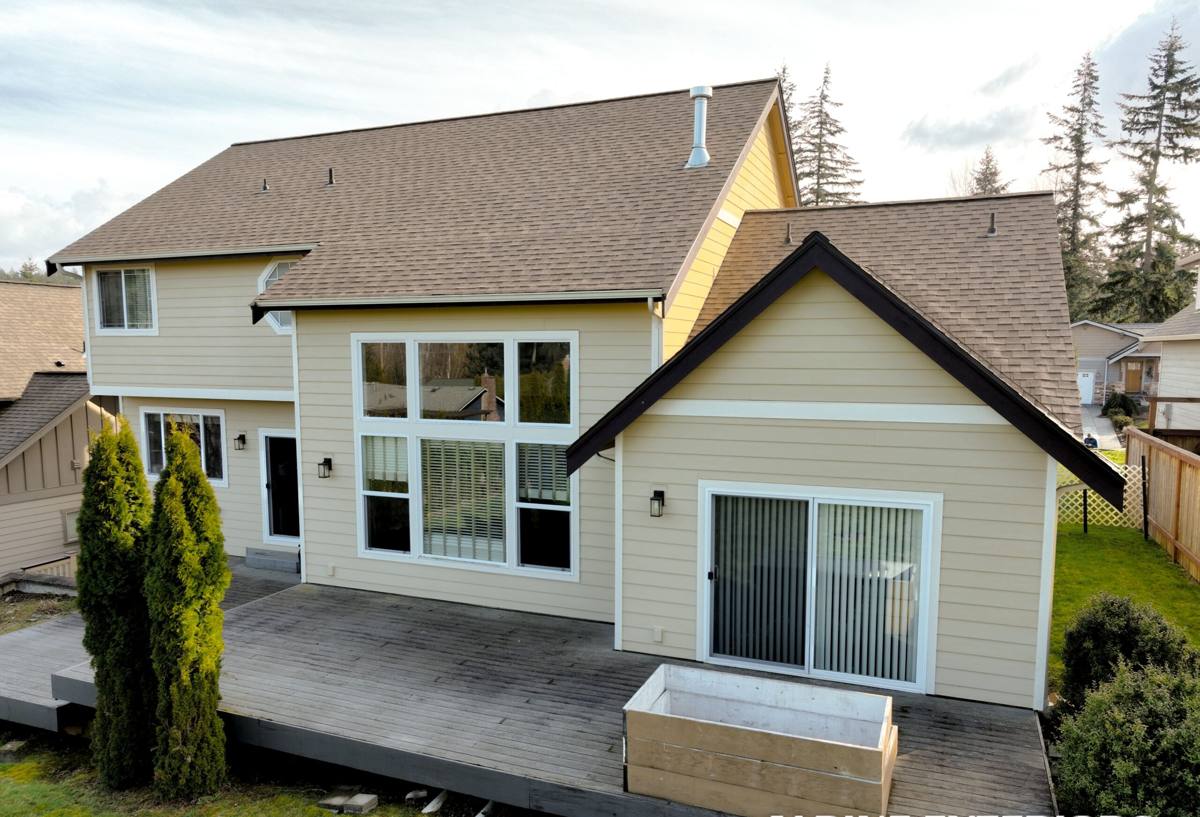
What Clearwater's Climate Does to a Shingle Roof
Asphalt shingles are a solid, proven roofing material, but they age differently depending on where they're installed. In Safety Harbor, four things do most of the damage over time.
Hurricane-Force Wind
Shingles fail at the edges first. Wind gets under a tab, works it loose, and once one shingle lifts, the ones around it are exposed too. Roofs here need a nailing pattern and starter strip that's actually built for sustained wind events, not just the minimum required to pass a quick inspection.
Intense, Year-Round UV
Florida sun is harder on roofing than most of the country ever sees. UV breaks down the asphalt binders in a shingle over time, which is what eventually leads to granule loss, brittleness, and cracking. This is a slow process, but it never stops, and it's a big part of why the same shingle line can wear out faster here than it would up north.
Wind-Driven Rain
It's not just how much rain falls, it's the angle it comes in at during a storm. Wind-driven rain gets pushed sideways and upward under shingle edges, around vents, and into any flashing that isn't sealed properly. This is where most leaks actually start, and it's almost never the shingles themselves that fail first — it's the details around them.
Salt Air
Being close to the harbor means the air carries a certain amount of salt, and that salt settles on and around roofing metal — flashing, vent caps, nails, drip edge. Salt exposure speeds up corrosion on lower-grade fasteners and metal components, which is why material choice for the metal on a roof matters just as much as the shingle choice.
What a Correct Installation Actually Involves
A shingle roof is only as good as what's underneath it. Shingles are the visible layer, but the system that protects a home is made up of several parts working together.
Deck Inspection and Repair
Before anything goes back on, the roof deck gets inspected for soft spots, water staining, and rot, especially around old flashing points and roof penetrations. Any damaged decking gets replaced. Installing new shingles over a compromised deck is one of the most common shortcuts in this trade, and it's one we don't take.
Underlayment
The underlayment is the roof's backup layer of protection if wind or water ever gets past the shingles, which is exactly the scenario a wind-driven rain event creates. We use underlayment appropriate for coastal, high-UV, high-wind conditions rather than the cheapest option available.
Flashing and Roof Penetrations
Chimneys, vent pipes, skylights, and roof-to-wall transitions are where leaks almost always start. Flashing has to be properly lapped, sealed, and tied into the underlayment correctly, not just caulked and left. We pay close attention to salt-resistant metal choices here given the harbor exposure.
Ventilation
Proper attic ventilation keeps heat and moisture from building up under the deck, which protects both the shingles from the underside and the wood structure of the roof itself. Poor ventilation is a common reason shingle roofs age faster than they should in Florida's climate.
Nailing Pattern and Fastening
Shingles have to be nailed in the manufacturer-specified pattern, with the correct number of fasteners, placed correctly, to actually deliver their rated wind resistance. This is one of the most commonly rushed steps in the trade, and it's also the one most responsible for shingles blowing off in storms.
Choosing the Right Shingle for a Safety Harbor Home
Not every asphalt shingle product is a good fit for coastal Florida conditions. Here's a general breakdown of the main categories homeowners choose between.
| Shingle Type | General Wind Rating | Best Fit For | Trade-Offs |
|---|---|---|---|
| 3-Tab Asphalt | Lower end of standard range | Budget-conscious projects, secondary structures | Flat appearance, shorter service life in coastal wind exposure |
| Architectural (Laminate) | Mid to upper standard range | Most primary homes in this area | Higher upfront cost, but better wind performance and appearance |
| Impact-Rated / High-Wind Shingles | Upper range, often paired with high-wind installation specs | Homes prioritizing storm resilience and insurance considerations | Highest material cost, may qualify for insurance credits |
Manufacturers typically rate their better shingle lines for sustained winds well above the older 3-tab standard, with high-wind-rated products designed for the kind of gusts this area can see in a serious storm. Wind rating on paper only matters if the installation actually follows the fastening pattern the rating depends on — which is why we treat installation quality as equally important as the product line itself.
Our Process, Start to Finish
- On-site inspection and estimate — we look at the current roof, the deck condition where visible, and talk through what the home actually needs.
- Written scope and material selection — a clear plan covering shingle line, underlayment, flashing, and ventilation, with no vague allowances.
- Tear-off and deck assessment — old roofing removed, deck inspected and repaired as needed before anything new goes down.
- Underlayment and flashing installation — the protective layer and all penetration points sealed and tied in correctly.
- Shingle installation — installed to the manufacturer's high-wind fastening specification, not just the minimum code pattern.
- Final walkthrough and cleanup — site cleared of debris, nails swept from the yard and driveway, and the finished roof reviewed with the homeowner.
Signs a Safety Harbor Roof Needs Attention
Shingle roofs rarely fail all at once. There are usually warning signs first, and catching them early is a lot cheaper than waiting for a leak to show up inside the house.
- Shingles that look curled, cupped, or are visibly missing granules
- Bald or shiny patches where granule loss has exposed the asphalt underneath
- Missing, cracked, or lifted shingles after a windstorm
- Soft spots or sagging areas visible from the ground or in the attic
- Rust staining or streaking around flashing, vents, or metal edges
- Granules collecting in gutters or at downspout outlets
- Daylight visible through the roof deck from inside the attic
- A noticeable jump in attic temperature or humidity
Maintenance That Actually Extends Roof Life Here
Asphalt shingle roofs in this climate benefit from a bit of regular attention rather than being left alone until something goes wrong. Keeping gutters clear, trimming back overhanging branches, and having the roof looked at after any major wind event all help catch small problems — a lifted shingle, a cracked pipe boot — before they turn into a leak. A periodic professional inspection, especially after hurricane season, is one of the simplest ways to protect the investment in a new roof.
Insurance and Wind Mitigation Considerations
Florida homeowners insurance often takes roofing material, age, and installation method into account, and a wind mitigation inspection can sometimes affect premiums depending on the roof's construction and fastening. We can't make insurance promises, since every policy and carrier is different, but we do install to a standard that's built with wind performance in mind, and we can provide documentation of materials and methods used for a homeowner's insurance file.
Why Local Experience in Safety Harbor Matters
A roofing crew that regularly works this part of Pinellas County already knows what tends to go wrong on homes here — where salt air eats through cheap flashing fastest, which roof details take the worst of the wind-driven rain, and what it actually takes for a shingle roof to hold up through a full hurricane season. That's different from experience installing shingles somewhere with none of these conditions. Hiring locally also means faster response if a storm damages a roof and quick availability for follow-up questions once the job is done, instead of waiting on a crew that has to travel in from out of the area.
If you're dealing with an aging shingle roof, storm damage, or you're just planning ahead for a replacement, we're glad to take a look and give you a straightforward, no-pressure estimate. Fill out the form below and we'll get in touch to schedule a time that works.