 Clearwater Siding
 Why Largo Roofs Take a Beating
Largo sits in the middle of Pinellas County, close enough to Tampa Bay and the Gulf to catch salt-laden air but far enough inland that many homeowners assume they're somewhat sheltered from the worst of coastal storm exposure. In practice, wind doesn't care much about that distance. A tropical system or a fast-moving summer storm can put the same uplift pressure on a roof in Largo as one closer to the water, and the daily grind of Florida weather does the rest in between named storms.
Three things wear on roofs here year-round: intense UV exposure that bakes shingles and dries out sealants, wind-driven rain that finds its way under compromised flashing and shingle tabs, and salt air that speeds up corrosion on fasteners, vents, and metal flashing. Add a direct hit of hurricane-force wind or a hailstorm on top of that baseline wear, and a roof that looked fine a month ago can suddenly be leaking, missing shingles, or hiding damage you can't see from the ground.
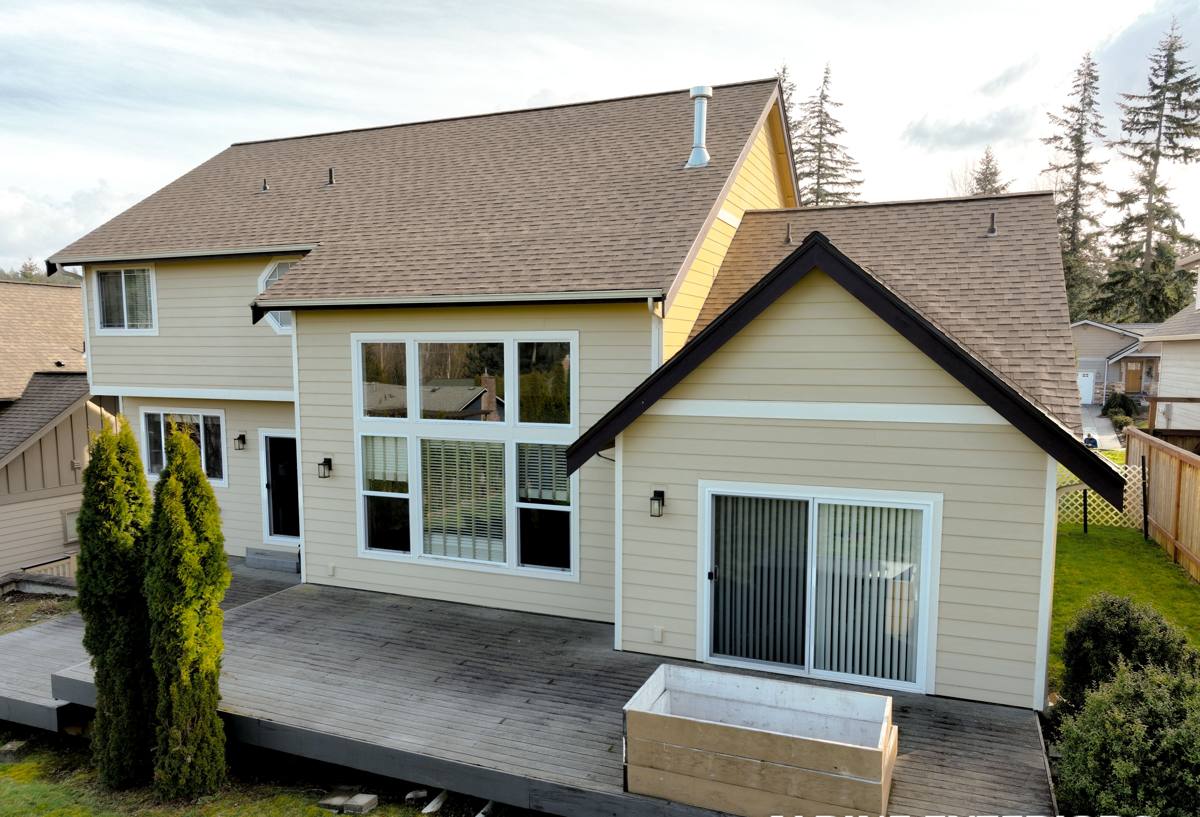
What Storm Damage Actually Looks Like
Not all storm damage announces itself with missing shingles scattered across the yard. Some of the most costly damage is the kind that sits quietly for months, letting water work its way into decking and framing before a stain shows up on a ceiling. Knowing what to look for — or having someone qualified look for you — matters more than people expect.
Signs Worth a Closer Look
- Shingles that are cracked, curled, creased, or missing entirely, especially on ridges and edges where wind pressure concentrates
- Granules collecting in gutters or at downspout outlets after a storm — a sign of impact damage even when shingles look intact
- Lifted or bent flashing around chimneys, skylights, and roof-to-wall junctions
- Soft spots, sagging, or a spongy feel when walking a section of roof (never do this yourself after a storm — leave it to someone trained to assess it safely)
- Water stains on interior ceilings or in the attic, even faint ones
- Debris punctures from tree limbs or wind-carried objects
- Displaced or damaged ridge caps and vent boots
If you notice any of these after a storm passes through Largo, the honest advice is to get it looked at promptly. A small area of exposed decking left through a few more rain events turns into a much larger repair, and in Florida's humidity, hidden moisture becomes a mold problem faster than most homeowners expect.
What a Correct Storm Damage Repair Involves
A repair that actually holds up isn't just about replacing what's visibly missing. It starts with understanding why the damage happened in that specific spot and making sure the repair addresses the underlying cause, not just the symptom.
Assessment Before Anything Else
A proper inspection covers the whole roof system — shingles or roofing material, underlayment where it's exposed, flashing at every penetration, ridge and hip lines, and the fascia and soffit areas where wind can pull material loose. It also means getting into the attic when possible to check the underside of the decking for water intrusion that isn't visible from outside.
Matching Materials and Method
Repairs need to use compatible materials and correct fastening methods, not just whatever shingle happens to be closest in color. Nail placement, sealant application, and flashing integration all affect whether a repair actually sheds water the way the rest of the roof does. A patch that isn't tied properly into the surrounding shingle courses can become the next spot that leaks in the following storm.
Code Compliance
Pinellas County and the City of Largo follow Florida Building Code requirements for roofing work, which include wind uplift resistance standards that are stricter than in most of the country. Any repair or replacement work should meet current code for the materials and fastening schedule used — this isn't optional paperwork, it's what keeps the roof performing in the next storm.
Repair or Replace? An Honest Look at the Decision
Not every storm-damaged roof needs full replacement, and not every roof can be responsibly patched. The right call depends on the roof's age, the extent of damage, and how much of the roof system is still sound underneath.
| Factor | Favors Repair | Favors Replacement |
|---|---|---|
| Roof age | Under 10-12 years, still within expected service life | Nearing or past typical shingle lifespan for our climate |
| Damage extent | Isolated to one section or slope | Spread across multiple areas or slopes |
| Decking condition | Solid, no rot or soft spots found | Water intrusion has reached and softened decking |
| Prior repairs | Few or none — original roof system intact | Multiple past patches already layered on |
| Underlayment | Still intact and doing its job | Degraded, torn, or original felt long past its rated life |
We'll walk through where your roof lands on this before recommending anything. A roof that's structurally sound and only recently damaged is usually a good repair candidate. A roof that's already older and shows wear beyond the storm damage itself is often better served by replacement — patching it just delays a bigger expense while giving you a roof that still doesn't perform as well as a new one.
Our Storm Repair Process
1. Inspection and Documentation
We start with a full inspection, including photos of every area of damage. This documentation is what your insurance adjuster will want to see, and having thorough photos and notes from day one makes the claims process smoother.
2. Emergency Tarping, If Needed
If the roof has active leaks or exposed decking, we get it protected first. A properly installed tarp — secured correctly rather than just draped and weighted down — buys time without causing additional damage to the roof edges or fascia.
3. Scope and Estimate
We put together a clear scope of what needs to happen, with repair and, where relevant, replacement pricing so you can see the honest range before committing to anything.
4. The Repair Itself
Work is done to match existing materials where possible, tied properly into surrounding courses, with attention to flashing, ventilation, and fastening — not just swapping out the obviously damaged pieces.
5. Final Walkthrough
We go over the completed work with you, confirm everything is sealed and secure, and make sure any interior damage from the leak has been noted for follow-up if needed.
Working With Your Insurance Claim
Storm damage claims move faster and go smoother when the documentation is solid from the start. We provide the photos, measurements, and written scope adjusters typically ask for, and we're glad to be on-site or available when the adjuster inspects the roof. What we won't do is inflate a scope of work to chase a bigger payout or promise a specific claim outcome — that's between you and your insurer, and any contractor guaranteeing otherwise is overstepping. Our job is to give you an accurate, well-documented picture of the damage and a fair estimate to fix it correctly.
Materials That Hold Up in This Climate
Not every roofing product performs the same way under Gulf Coast sun, salt air, and wind. When we're repairing or replacing sections, we lean toward materials with a track record in Pinellas County conditions rather than whatever is cheapest on the shelf.
| Material | Wind Performance | UV/Heat Durability | Maintenance |
|---|---|---|---|
| Architectural (laminate) shingles | Rated well above standard 3-tab, good for our wind zone | Good — thicker profile resists curling longer | Low; periodic inspection recommended |
| Standard 3-tab shingles | Lower wind rating, more prone to lifting in gusts | Fair — tends to show wear sooner in intense sun | Low, but shorter effective service life here |
| Metal roofing panels | Excellent when properly fastened | Excellent — reflects heat, doesn't granule-shed | Very low; occasional fastener check |
For most Largo homes doing a storm repair on an existing shingle roof, matching architectural shingles is the practical choice — it keeps the roof consistent and performing at the level it was designed for. When a roof is being fully replaced rather than repaired, that's the point to have a real conversation about whether metal or a higher wind-rated shingle line makes sense for your budget and how long you plan to stay in the home.
Why It Matters to Hire a Crew That Already Works in Largo
A roof repair crew that regularly works Pinellas County jobs already knows the local permitting process, the wind uplift and code requirements the county enforces, and what kind of damage patterns show up on Largo roofs specifically versus roofs further inland or right on the coast. That familiarity shows up in small but real ways — knowing which flashing details tend to fail first on homes in this area, understanding how quickly a tarp job needs to happen before the next rain band comes through, and not having to learn the local code requirements on your job.
It also matters after the repair is done. A local crew is reachable if something needs a follow-up look after the next storm, rather than a name from a claims-chasing outfit that isn't still around a year later.
After the Repair: Keeping It That Way
A storm repair holds up longer with a little basic upkeep:
- Keep gutters clear so water isn't backing up under roof edges
- Trim back tree limbs that overhang the roofline before storm season
- Have the roof looked at after any significant wind event, even if nothing looks obviously wrong
- Watch for granule buildup in gutters as an early sign of shingle wear
- Address small leaks quickly rather than waiting for them to spread
If your Largo roof took damage from a recent storm, or you're not sure whether what you're seeing needs attention, we're happy to come take a look. The estimate is free, there's no pressure attached to it, and you'll get a straight answer about what's actually going on with your roof — just fill out the form below to get started.