 Clearwater Siding
 Siding Repair Built for an Island Neighborhood
Island Estates sits surrounded by water, which means every home there takes a harder hit from the elements than a house a few miles inland. Wind has fewer obstructions to slow it down, humidity sits higher for longer stretches of the day, and salt spray reaches siding, trim, and fasteners that would stay dry in a landlocked neighborhood. When siding fails here, it's rarely one single cause — it's usually years of small exposures adding up until a seam opens, a panel cracks, or moisture finds a way behind the cladding.
Siding repair on an island property is a different job than siding repair three miles inland, and it should be treated that way. This page covers what actually goes wrong with siding in Island Estates, what a repair done correctly involves, and how our crew approaches it after years of working on homes in this part of Clearwater.
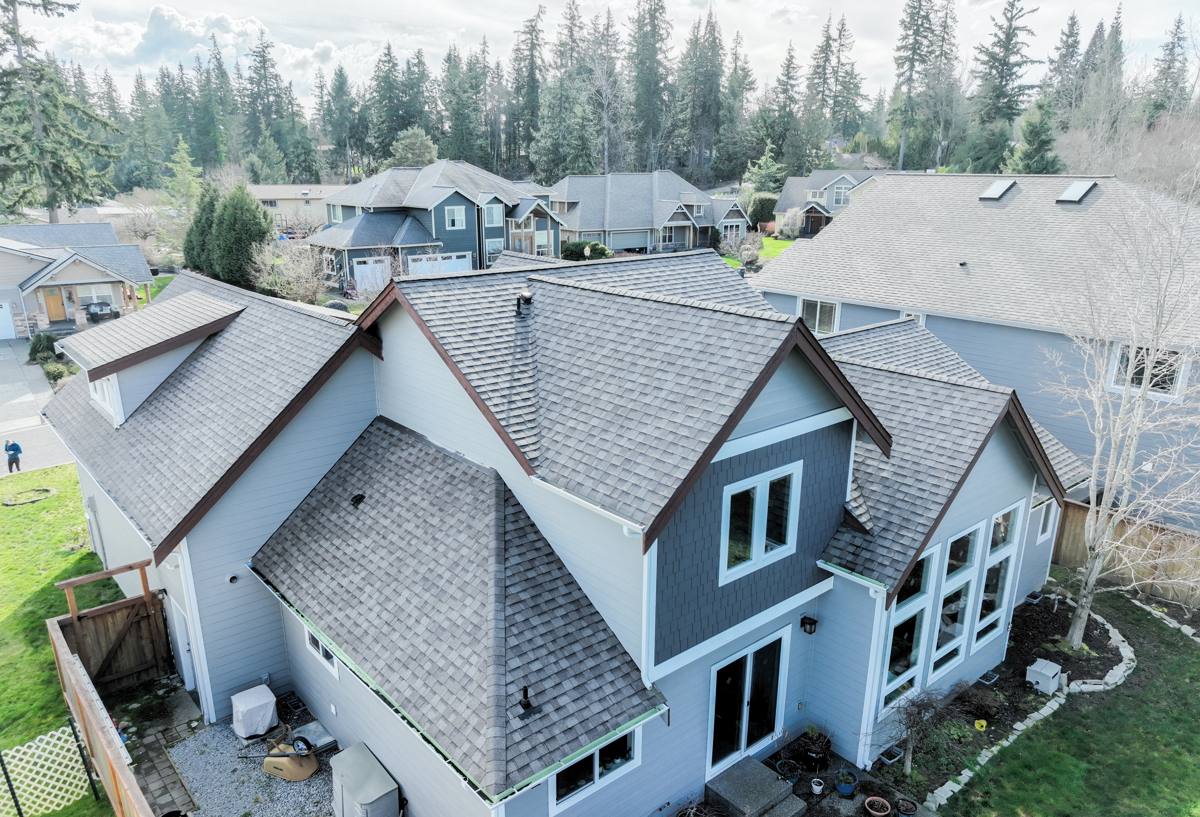
What Clearwater's Climate Does to Siding Near the Water
Wind
Pinellas County sees tropical storm and hurricane-force wind events on a near-annual cycle, and open water on multiple sides of a property means less natural windbreak. Wind doesn't just threaten to tear siding off in a storm — day-to-day gusts work fasteners loose, flex panels at their edges, and slowly widen small gaps that started as nothing more than a hairline seam.
UV Exposure
Florida sun is intense and consistent nearly year-round. UV breaks down paint film, dries out caulk, and degrades unprotected wood trim far faster than in most of the country. Siding that isn't engineered to hold color and resist UV breakdown will chalk, fade, and crack well ahead of its expected service life.
Wind-Driven Rain
It's rarely rain falling straight down that causes damage — it's rain pushed sideways into laps, seams, and trim joints during a squall or tropical system. Wind-driven rain finds any gap in flashing, caulking, or panel overlap and pushes water behind the siding rather than letting it run off the surface.
Salt Air
Being close to open water means a steady, low-level exposure to airborne salt. Salt accelerates corrosion on fasteners and metal flashing, and it can contribute to surface breakdown on materials that aren't built to handle a marine-adjacent environment. Over time, this is one of the most underestimated stressors on Island Estates homes.
Signs Your Siding Needs Repair, Not Just Paint
Homeowners often try to solve siding problems with a fresh coat of paint. Sometimes that's enough. Often, especially near the water, it's covering up a problem that will resurface within a season or two. Here's what actually warrants a repair inspection:
- Cracked, split, or bowed panels — especially at butt joints and corners
- Soft or spongy spots when you press on the siding near the bottom courses or window trim
- Visible gaps at seams, corner boards, or where siding meets window and door trim
- Paint that's peeling or bubbling in a localized area rather than uniformly across a wall
- Streaking, staining, or a musty smell near an exterior wall — often a sign of moisture getting behind the cladding
- Rusted or popped fasteners visible on the siding surface
- Caulk that has pulled away, cracked, or gone brittle at joints and trim lines
- Any area that was patched before and is showing the same symptoms again
Any one of these on its own might be minor. Several together, especially on a wall that faces prevailing wind and weather, usually means water has already gotten past the surface.
What a Correct Siding Repair Actually Involves
Diagnosing the Real Cause, Not Just the Symptom
A cracked panel is a symptom. The cause might be a fastener driven wrong, a missing piece of flashing, caulk that failed at a trim joint, or moisture that's been sitting behind the wall for longer than anyone realized. Repairing the visible damage without addressing the cause means the same failure shows up again in a year or two — sometimes worse, because the underlying moisture kept working the whole time.
Checking What's Behind the Siding
Any time we open up a damaged section, we check the water-resistive barrier and the substrate underneath. If there's rot, soft sheathing, or signs of long-term moisture intrusion, that gets addressed before new siding goes back on. Closing a wall back up over a hidden problem isn't a repair — it's a delay.
Matching Material and Finish
Because we install James Hardie fiber cement exclusively, repairs on Hardie siding are straightforward to match — the plank profile, reveal, and ColorPlus factory finish are consistent and available across the product line, so a repaired section blends in rather than standing out as an obvious patch. This is one of the practical advantages of working with a single, factory-finished product system instead of juggling materials with inconsistent lots or discontinued colors.
Fastening and Flashing to Spec
In a wind-exposed, salt-air environment, how a panel is fastened and flashed matters as much as the panel itself. That means corrosion-resistant fasteners driven to the manufacturer's spacing and depth requirements, proper flashing at every horizontal joint and penetration, and sealant used only where it's actually meant to be a moisture barrier — not as a substitute for flashing that should be there instead.
Sealing Without Trapping Moisture
Fiber cement needs to manage moisture, not seal it in completely. Caulking every seam solid sounds thorough but can trap water that gets in from another path. Correct repair work seals where water needs to be kept out and leaves drainage paths where the system is designed to shed moisture.
Repair or Replace? What Actually Decides It
Not every repair call ends in a repair — and not every homeowner needs a full re-side. The right call depends on how much of the wall is affected and what's happening underneath it.
| Factor | Leans Toward Repair | Leans Toward Replacement |
|---|---|---|
| Extent of damage | Isolated to one wall or a few panels | Recurring across multiple elevations |
| Underlying substrate | Sheathing and framing are sound | Rot or moisture damage found behind siding |
| Age of existing siding | Relatively recent, still under warranty | Original siding is decades old and near end of service life |
| Cause of damage | One-time event (impact, storm debris) | Chronic issue tied to original installation quality |
| Material on the home | James Hardie or another repairable, matchable product | Discontinued or unmatched material where patches will always show |
We'll tell you honestly which side of that table your home falls on. If a repair will genuinely hold up, that's what we recommend — a full re-side isn't the answer to every siding call, and we're not going to sell one when it isn't needed.
How Our Repair Process Works
1. On-Site Inspection
We look at the damaged area and the surrounding wall, not just the spot you called about. Damage on an island property is rarely isolated to exactly where it's visible.
2. Diagnosis and Honest Recommendation
We explain what caused the damage, what's involved in fixing it correctly, and whether a repair or a larger scope makes sense. No pressure, no upsell beyond what the wall actually needs.
3. Matched Material Sourcing
Because our repair work is done in the same James Hardie product lines we install fleet-wide, matching profile and ColorPlus finish to your existing siding is a known, repeatable process rather than a guessing game.
4. Repair Work, Done to Spec
Fastening, flashing, and sealing follow manufacturer installation requirements — the same standard we hold on full installs, applied to a repair scope.
5. Cleanup and Walkthrough
We walk the repair with you before we consider the job finished, so you can see exactly what was done and why.
Why a Crew That Already Works Island Estates Matters
Siding repair on a water-exposed property benefits from a crew that has already seen how homes in that specific environment fail. A contractor unfamiliar with Clearwater's coastal conditions may treat a repair like any inland job — matching what's visible without accounting for the salt exposure, wind loading, and moisture patterns particular to an island setting. A crew that regularly works Island Estates and the surrounding Pinellas County coastline already knows which walls take the worst of it, what flashing details tend to fail first in this environment, and how to fasten and seal so the repair holds up to the next storm season, not just the next inspection.
Familiarity with the area also means faster, more accurate diagnosis. We're not learning the local climate on your home — we're applying what we already know from working on siding up and down this stretch of coast.
Why We Only Repair and Install James Hardie
Our company installs and repairs James Hardie fiber cement siding exclusively. We don't work with vinyl, LP SmartSide, or other fiber cement alternatives. That's a deliberate standard, not a limitation of what we're capable of installing. In a coastal Pinellas County environment, we've found that Hardie's non-combustible fiber cement construction, factory-applied ColorPlus finish, and climate-engineered HZ product lines hold up to salt air, UV, and wind-driven rain more consistently than the alternatives — and because it's the only system we work in, our repair matching, fastening specs, and flashing details are dialed in rather than improvised project to project. If your existing siding is a different material, we're happy to discuss your options honestly, including what a transition to Hardie would involve.
Get a Straightforward Assessment
If your Island Estates home has siding damage — whether it's a single cracked panel or something that looks more widespread — we'll take a look and give you a straightforward, no-pressure read on what's actually going on and what it will take to fix it right. Use the form below to request a free estimate.