 Clearwater Siding
 Board & Batten Siding for Island Estates' Waterfront Conditions
Island Estates sits closer to open water than most Clearwater neighborhoods, and that changes what a home's exterior has to deal with day to day. Board and batten siding — the vertical panel-and-strip look homeowners like for its clean, coastal-cottage lines — can be a great fit for this kind of property, but only if it's built from the right material and installed the right way. On a peninsula surrounded by water, the same design choice that looks great on a brochure can become a maintenance headache within a few years if the siding underneath it isn't up to the job.
We install board and batten siding across Pinellas County, and Island Estates jobs get treated differently from a start. The wind loads, the salt exposure, and the moisture behavior of the assembly all need to be accounted for before the first panel goes up.
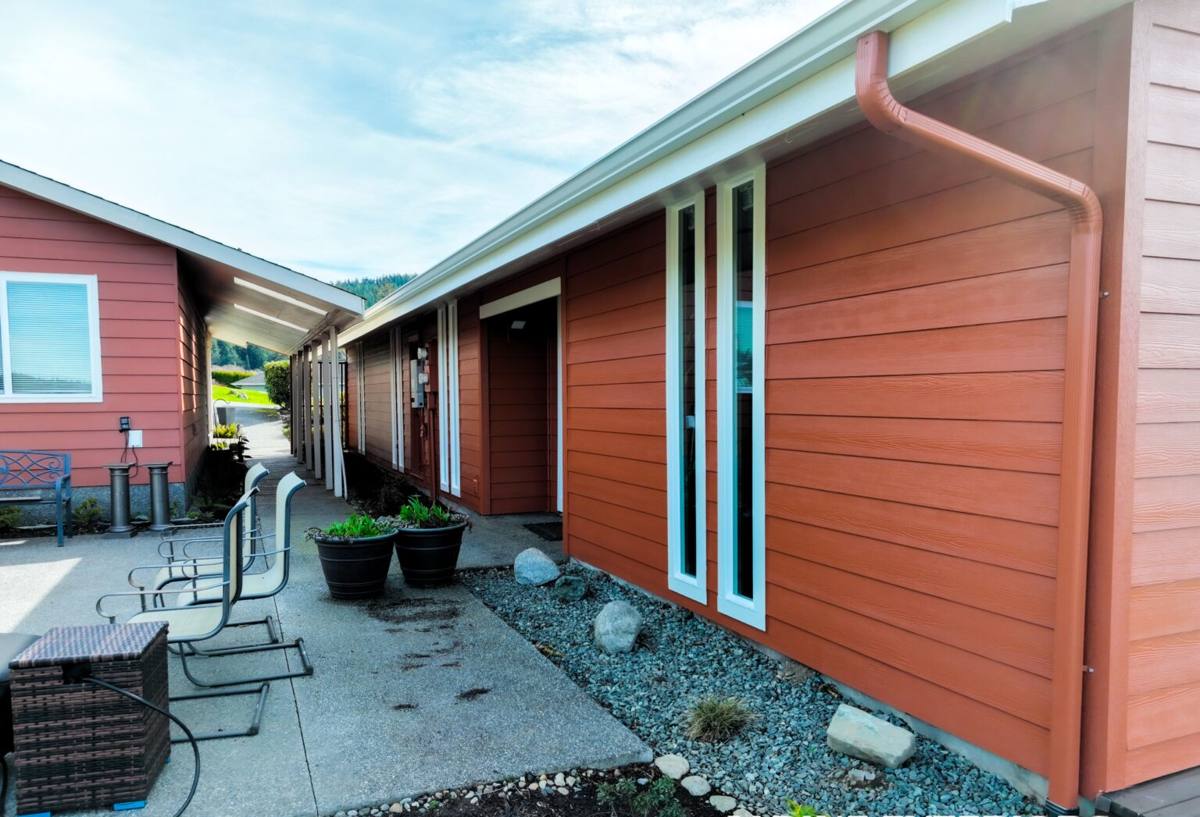
What Makes Island Estates Tougher on Siding Than Inland Clearwater
Waterfront and near-waterfront properties in this part of Pinellas County face a combination of stresses that inland homes see in a lighter dose:
- Salt-laden air: Airborne salt settles on exterior surfaces and accelerates corrosion of fasteners, trim, and any wood components that aren't fully sealed.
- Wind exposure: Open water gives wind an unobstructed run at the house, which matters a lot for board and batten because it's a system with more vertical seams and batten strips than lap siding — more places for wind-driven rain to find a way in if the install is sloppy.
- Intense, near-constant UV: Florida sun breaks down paint films, softens caulk, and fades color faster than in most of the country, especially on south- and west-facing walls.
- Humidity and afternoon storms: Consistent moisture load means anything with an inconsistent water-management plan behind the siding will find trouble eventually, not immediately.
None of this means board and batten is a bad choice for Island Estates. It means the material and the installation details matter more here than they would fifteen miles inland.
Why Wood and Vinyl Board & Batten Struggle in This Setting
Board and batten started as a wood siding style, and vinyl versions of the look are common in big-box product lines. Both have real limitations in a coastal Pinellas County environment.
Wood board and batten needs a maintained paint film to keep water out of the substrate. Salt air and UV both work against that film, so the repaint cycle tends to shrink from what a homeowner expects, and any missed spot becomes an entry point for rot — particularly at the many vertical batten joints this style has. Vinyl board and batten resists rot, but it's a thin plastic product that can warp or become brittle from UV exposure over time, and it's not rated for the higher wind speeds this coastline can see. It also can't take paint if a homeowner ever wants to change the color down the road.
LP SmartSide, an engineered wood product with a resin-treated strand board core, holds up better than raw wood but is still a wood-based product — meaning the cut edges and any moisture intrusion point still need diligent sealing and maintenance to avoid swelling, and we don't consider that an acceptable risk on homes this exposed. We don't install vinyl, LP SmartSide, or unfinished wood board and batten for these reasons — not because they can't work anywhere, but because we're not willing to put our name on an installation we don't believe holds up to this specific climate.
James Hardie Board & Batten: What We Install Instead
Every board and batten job we do uses James Hardie fiber cement. It's a cement-and-cellulose-fiber product, not wood and not vinyl, which changes the failure modes we have to worry about entirely:
- Non-combustible — a real advantage on a peninsula where insurance underwriting is already a factor homeowners think about.
- Dimensionally stable — fiber cement doesn't swell, cup, or warp with humidity swings the way wood-based products can.
- ColorPlus factory finish — a baked-on finish engineered for UV and moisture resistance, which matters more here than in a shaded inland neighborhood.
- HZ5 product engineering — Hardie's HZ product lines are engineered for high-moisture, humid climate zones, which is exactly what this stretch of Florida is.
For the board and batten look specifically, we typically use Hardie's vertical panel systems paired with Hardie trim battens, or the Hardie Artisan vertical siding line where a homeowner wants a more refined, tighter-reveal appearance. Both give the same architectural look homeowners want from board and batten, built on a material engineered for this exact set of climate stresses.
Board & Batten Material Comparison
| Material | Salt air resistance | Wind-driven rain behavior | UV/finish stability | Long-term upkeep |
|---|---|---|---|---|
| James Hardie fiber cement | Strong — non-corrosive substrate | Good when rainscreen and flashing detail is correct | ColorPlus finish engineered for UV | Occasional wash; repaint cycle is long if ever needed |
| Vinyl | Fair — hardware/fasteners still corrode | Panels can flex and open seams in high wind | Can fade, chalk, or become brittle over years | Low, but limited lifespan in high-UV/high-wind zones |
| Wood | Weak without diligent upkeep | Many joints are moisture entry risk if paint fails | Paint film degrades faster in intense sun | Frequent repainting and joint inspection |
| LP SmartSide (engineered wood) | Moderate — better than raw wood, still wood-based | Cut edges/joints need consistent sealing | Factory finish helps, but substrate still wood | Regular caulk/paint inspection at seams |
What a Correct Board & Batten Installation Involves
Board and batten has more vertical seams per square foot than horizontal lap siding, and that's exactly where installation quality either pays off or falls apart. A correct install on an Island Estates home includes:
Water Management Behind the Panel
A drainage plane (rainscreen) behind the siding lets any moisture that gets past the surface drain and dry out instead of sitting against the sheathing. This matters more in a high-humidity, storm-prone environment than it does in a dry climate.
Fastener Selection and Placement
Corrosion-resistant fasteners, placed and set to Hardie's published fastening schedule, keep panels secure under wind load without over-driving nails that crack the board or under-driving ones that back out over time.
Flashing at Every Penetration
Windows, doors, hose bibs, light fixtures, and vents all need proper flashing integrated with the siding, not just caulk smeared over the gap. Caulk is a backup, not a water barrier on its own.
Batten Spacing and Fastening
Battens need consistent, code-correct spacing and fastening into structural framing wherever possible — not just into the panel — so the reveal stays straight and the batten doesn't work loose under repeated wind gusts.
Manufacturer-Correct Clearances
Ground clearance, roofline clearance, and gaps at trim are all specified by Hardie for a reason — skipping them is one of the most common ways an otherwise good product fails early.
Our Process for Island Estates Projects
- On-site assessment: we look at wind exposure, existing moisture damage, current siding condition, and how close the home sits to open water or a canal.
- Tear-off vs. overlay decision: waterfront-adjacent homes usually get a full tear-off recommendation so we can inspect and repair sheathing before anything new goes up — covering a hidden moisture problem never ends well here.
- Rainscreen and flashing plan: laid out before the first panel is measured, not improvised during install.
- Installation to Hardie spec: fastening schedule, clearances, and batten layout followed exactly, not "close enough."
- Final inspection: we walk every seam, penetration, and clearance point before calling the job done.
Maintenance Checklist for Board & Batten in a Salt-Air Environment
Fiber cement is low-maintenance, not no-maintenance. A simple seasonal routine keeps it performing the way it's designed to:
- Rinse salt residue off exterior walls with a garden hose a few times a year, more often for homes directly on the water.
- Check caulk lines at windows, doors, and penetrations annually for cracking or separation.
- Look at ground-level clearance after landscaping work or mulch buildup — soil or mulch piled against the siding traps moisture.
- Inspect after major storms for any battens or trim that may have loosened under wind load.
- Avoid pressure washing directly into seams or at high pressure close to the surface — a gentle rinse is enough.
Why Local Experience in This Neighborhood Matters
A crew that's worked Island Estates before already knows what a waterfront-adjacent home in Pinellas County demands — the wind exposure, the salt load, the moisture behavior of the substrate underneath. That's the difference between a board and batten installation that just looks right on day one and one that's still performing correctly after a decade of Gulf Coast summers. We'd rather walk a homeowner through exactly what their home's exposure requires than sell a look without the substance behind it.
If you're considering board and batten siding for a home in Island Estates, we're happy to take a look and walk you through what your property specifically needs. Request a free, no-pressure estimate using the form below.