 Clearwater Siding
 Siding Installation in Harbor Oaks: A Neighborhood With Its Own Climate Demands
Harbor Oaks homes sit close enough to the water that the exterior envelope takes a different kind of beating than a house ten miles inland. Between Pinellas County's humidity, the salt-laden air drifting off Clearwater Harbor and the Gulf, intense year-round UV, and the wind-driven rain that comes with every tropical system, siding here has to do more than look good. It has to hold a paint finish, resist moisture intrusion at every seam, and stay fastened through hurricane-force gusts without cracking, warping, or pulling away from the wall.
That combination — salt air plus sun plus wind plus rain — is why siding decisions that work fine in a drier, cooler climate often underperform in Clearwater. A product that's marginal in Ohio can fail outright here in ten years instead of thirty. Any siding installation in this neighborhood needs to be planned around that reality from day one, not treated as a generic re-side job.
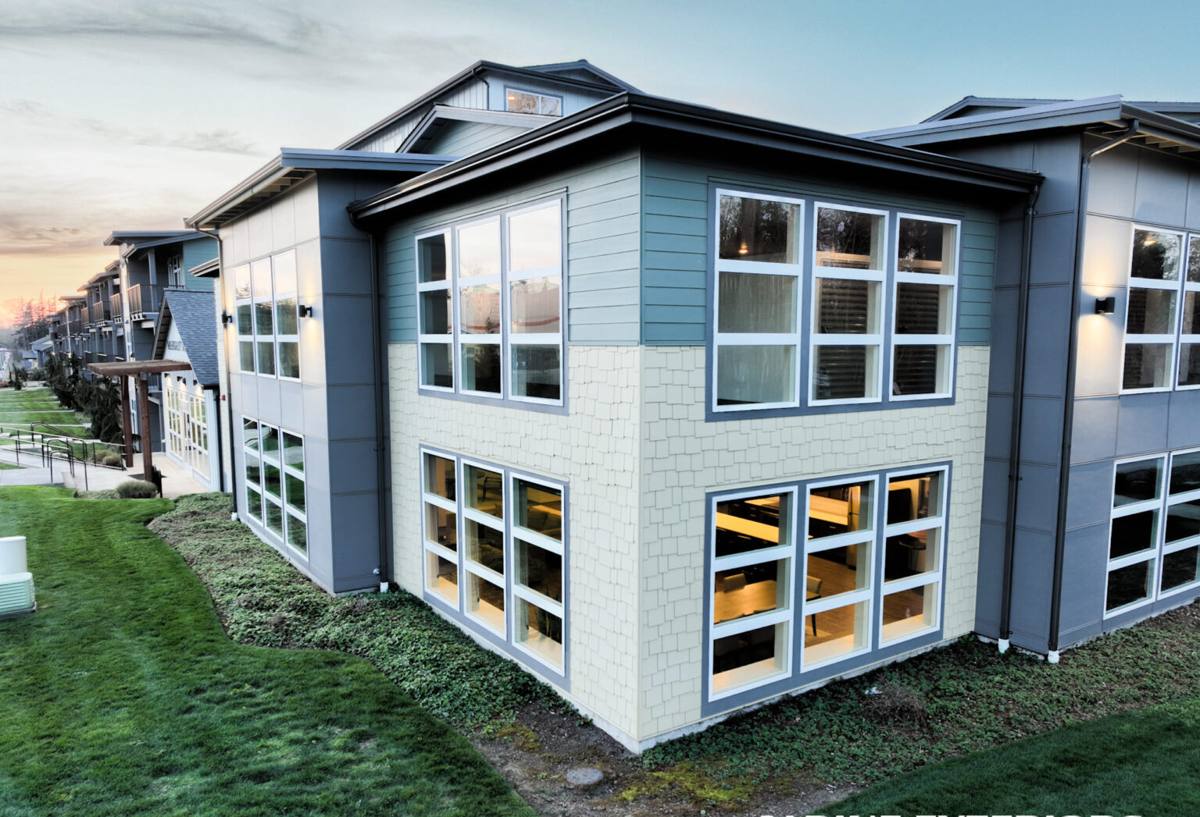
What Correct Siding Installation Actually Involves
Siding is a system, not a single layer of panels. A correct installation on a Harbor Oaks home involves several layers working together, and skipping or shortcutting any one of them is where most premature failures start.
The Water Management Layer
Underneath the visible siding, there has to be a continuous weather-resistive barrier, properly lapped and taped at every seam, with flashing integrated at windows, doors, and any penetration through the wall. In a climate that sees frequent wind-driven rain, this layer is what actually keeps water out of the wall cavity — the siding itself is the second line of defense, not the first.
Fastening for Wind
Fastener type, spacing, and embedment depth all matter more here than in most parts of the country. Florida's wind-load requirements exist because hurricane-force gusts put real lateral and uplift pressure on wall cladding. Undersized nails, over-driven fasteners, or wrong spacing are common shortcuts that don't show up as a problem until the first serious storm.
Joints, Caulking, and Trim Details
Every butt joint, corner, and trim intersection is a potential water entry point. Correct installation means factory-mitered or properly caulked joints, back-primed cut edges, and trim details that shed water instead of trapping it against the wall.
Our Installation Process
We run the same disciplined sequence on every Harbor Oaks project, whether it's a full re-side or a targeted repair-and-replace section.
- Site walk and existing condition assessment — we check the current siding, sheathing, and any signs of past moisture intrusion before quoting anything.
- Tear-off and substrate inspection — once old siding comes off, we inspect the sheathing underneath for rot or soft spots before anything new goes up. Problems found here get addressed, not covered over.
- Weather-resistive barrier installation — a continuous, properly lapped barrier goes on the whole wall, with all seams sealed.
- Flashing at every penetration — windows, doors, hose bibs, vents, and any other wall penetration get flashed before siding covers them.
- Siding installation to manufacturer spec — fastener type, spacing, and clearances follow the manufacturer's published installation instructions, not shortcuts.
- Trim, caulking, and finish detail — corners, joints, and transitions are finished to shed water, not just to look clean from the street.
- Final walk-through — we go over the finished job with the homeowner before calling it complete.
Why We Install Only James Hardie Fiber Cement
We made a decision as a company to install James Hardie fiber cement siding exclusively, and we don't install vinyl, LP SmartSide, Cemplank, Allura, or primed wood siding. That's not a marketing position — it's a professional standard based on how these products actually perform in a Gulf Coast climate over decades, not years.
Vinyl siding is affordable and easy to install, and for a lot of the country that's a reasonable trade-off. In direct Florida UV and heat, vinyl is prone to fading, warping, and becoming brittle well before a homeowner expects to replace it, and it has real limits on wind resistance compared to fiber cement. Wood-based products like LP SmartSide use engineered wood strand technology that resists moisture better than old-school wood siding, but any wood-based product still depends on an unbroken finish to keep moisture out — a nail pop, a scuff, or a delayed touch-up in a humid, salt-air environment can start a problem that's expensive to catch early. Primed spruce and cedar carry the same underlying vulnerability: they're organic material, and organic material in humidity and salt air needs more diligent maintenance than most homeowners realize they're signing up for.
James Hardie fiber cement is non-combustible, dimensionally stable in heat and humidity, and holds its factory-applied ColorPlus finish far longer than field-applied paint on wood or the baked-in color of vinyl. Hardie's HZ5 product line is specifically engineered for high-humidity, moisture-prone climates like ours. It carries a strong transferable warranty when installed to spec, which matters for resale in a neighborhood like Harbor Oaks where buyers increasingly ask what the siding is and when it was done.
None of this means other products are junk — it means we looked at how siding actually holds up on Gulf Coast homes over 20-30 years and standardized on the one system we're comfortable standing behind long after the invoice is paid.
Common Siding Problems We See in This Area
Working repeatedly in Clearwater's coastal neighborhoods, certain failure patterns show up again and again:
- Caulk joints that failed years before the siding itself, letting water behind the cladding
- Fading and chalking on south- and west-facing walls that take the most direct UV exposure
- Corrosion on fasteners and trim hardware from prolonged salt-air exposure
- Soft or rotted sheathing discovered only after old siding is removed
- Panel warping or buckling from heat cycling on lower-grade materials
- Wind-driven rain intrusion at poorly flashed window and door transitions
Almost all of these trace back to either the wrong material for the climate or an installation detail that got skipped. Neither is something a homeowner can easily spot from the driveway, which is part of why the installer matters as much as the product.
Cost Factors for a Harbor Oaks Siding Project
Every home is different, but the same handful of factors drive most of the cost variation we see on jobs in this area.
| Factor | Why It Matters Here |
|---|---|
| Home size and wall complexity | More corners, dormers, and trim details mean more labor and flashing work per square foot |
| Substrate condition | Rotted sheathing found during tear-off adds repair scope before new siding can go on |
| Siding profile and Hardie product line | Lap, shingle, and panel styles, plus HZ5 vs. standard formulations, price differently |
| Trim and accessory scope | Fascia, soffit, and trim replacement alongside siding adds to the total but often makes sense to do together |
| Access and site conditions | Setbacks, fencing, and landscaping around the home affect how efficiently crews can work |
We walk every home in person and give a written estimate based on actual conditions rather than a square-footage guess — an assessment that's especially important on older Harbor Oaks homes where prior repairs or hidden moisture damage aren't visible from the outside.
Why a Crew That Already Works Harbor Oaks Matters
Siding installation isn't just a product choice — it's execution, and execution is where local experience shows up. A crew that has worked repeatedly in this neighborhood already understands the housing stock, the typical wall assemblies, and the specific ways Pinellas County's coastal exposure stresses a building envelope. That translates into fewer surprises during tear-off, better judgment about flashing details in wind-driven rain conditions, and a finished job that's built for this climate rather than a generic install pulled from a national playbook.
It also means faster response if something needs a warranty check or a follow-up years down the road. A contractor with an ongoing presence in Clearwater isn't a one-time transaction — they're a local business with a reputation in the neighborhood to protect.
What to Ask Before Hiring Anyone for This Job
- Are you licensed and insured to work in Pinellas County, and can you provide proof?
- Do you install to the manufacturer's published wind-zone specifications, not just "standard" spacing?
- Will you inspect and document sheathing condition during tear-off before covering it back up?
- What does the warranty actually cover, and is it transferable if the home sells?
- Can you provide a written, itemized estimate rather than a single lump-sum number?
After Installation: What Harbor Oaks Homeowners Should Expect
Fiber cement siding installed to spec is low-maintenance, but "low" doesn't mean "none," especially in a salt-air environment. A simple annual routine keeps a Hardie installation performing for decades: rinse the exterior to clear salt residue and airborne grime, inspect caulk joints and trim for any separation, and address any impact damage promptly rather than letting it sit. None of this is heavy work, but skipping it entirely is how small issues turn into bigger ones.
If you're planning a siding project for a Harbor Oaks home and want a straight answer about what your house actually needs, we're glad to walk the property and put together a free, no-pressure estimate. There's a form below — reach out and we'll get you scheduled.