 Clearwater Siding
 Building or Adding On in Harbor Oaks? Get the Windows Right the First Time
Harbor Oaks is one of Clearwater's older, established neighborhoods, sitting close to the water along Clearwater Harbor. That proximity is exactly what makes it desirable — and exactly what makes window selection and installation there less forgiving than in an inland subdivision. When a home is going up new, getting a major addition, or being rebuilt from the studs out, the windows are one of the few components that have to perform correctly on day one. There's no "we'll fix it later" with a window that was flashed wrong or rated for the wrong wind zone; by the time drywall and trim go in, the mistake is buried.
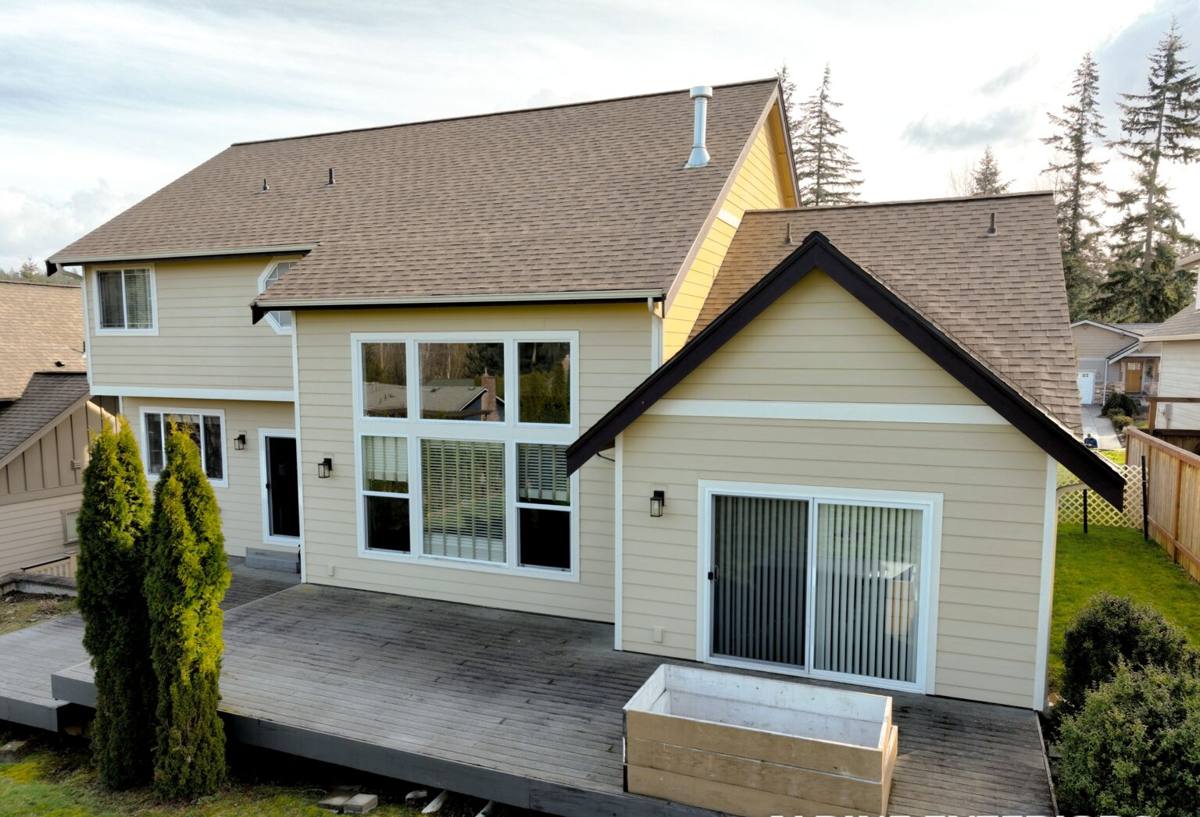
This page is about new-construction window installation specifically — the method used when windows are set into open framing, whether that's a brand-new house, a room addition, or a gut-to-the-studs remodel. It's a different job than swapping windows into an existing wall, and it's worth understanding the difference before you sign anything.
What Clearwater's Climate Actually Demands From a Window
Pinellas County sits on a peninsula, and Harbor Oaks sits close enough to the water that homes there take the full brunt of what that location brings. A window package that would be fine in a landlocked state has to be re-thought here.
Hurricane-Force Wind and Windborne Debris
Florida Building Code treats coastal Pinellas County as part of the windborne debris region, which means new construction near Harbor Oaks typically needs either impact-rated glazing or an approved separate means of opening protection — not because it's a nice-to-have, but because it's what code review and your final inspection will check. A window's pressure rating has to match the wind loads calculated for that specific building, based on its height, exposure, and roof geometry. This isn't a spec you eyeball; it comes from an engineered load calculation tied to the site.
Year-Round UV Exposure
Florida sun is intense and constant, not seasonal. Vinyl frames that aren't UV-stabilized will chalk, discolor, and go brittle years before they should. Standard clear glass without a Low-E coating lets heat load straight into the house, which shows up as a higher air conditioning bill for the life of the home.
Wind-Driven Rain
A storm doesn't need to be a hurricane to push rain sideways into a wall. Wind-driven rain finds any gap in flashing or sealant and drives water behind the cladding, where it can sit against sheathing and framing unseen. New-construction windows are actually the best opportunity to get this right, because the wall assembly is still open and the flashing can be layered correctly before anything covers it up.
Salt Air and Coastal Corrosion
Being close to Clearwater Harbor means airborne salt is a constant, low-level presence, even well away from the immediate waterfront. Salt air accelerates corrosion on hardware, fasteners, and lesser-grade aluminum components. It's a slow process, but it's relentless, and it's part of why fastener and hardware selection matters as much as the glass itself in this area.
New-Construction vs. Replacement Windows: Why the Method Matters
People often use "new windows" to mean any window job, but new-construction and replacement are genuinely different installation methods, and mixing them up leads to real problems.
| Factor | New-Construction Install | Replacement (Retrofit) Install |
|---|---|---|
| When it's used | Open framing — new builds, additions, full remodels | Existing wall stays intact; old frame is not removed |
| Window has a nailing fin | Yes, fin is fastened directly to framing | No — frame fits inside the existing opening |
| Flashing access | Full access to integrate with house wrap and sheathing | Limited to what's exposed at the existing opening |
| Best for water management | Highest — flashing built in proper shingle-lap order | Good, but constrained by what's already there |
| Typical use in Harbor Oaks | New homes, additions, teardown-rebuilds, full gut remodels | Window-only upgrades on homes staying as-is |
If you're building new or opening a wall to the studs for an addition, you want a true new-construction install every time — it's the only method that lets us build the water management layer correctly from the sheathing out, rather than working around what's already in place.
What a Correct New-Construction Window Installation Actually Involves
The window unit itself is only part of the job. Most window failures — leaks, drafts, stucco cracking around the opening — trace back to the installation, not the product. A correct install follows a specific sequence:
- Rough opening is checked for square, level, and correct size before the window ever arrives on site
- A sloped sill pan is installed at the bottom of the opening so any water that gets past the window drains back outward, not into the wall
- Self-adhered flashing membrane is applied in proper shingle-lap order — sill first, then jambs, then head — so water always sheds downward and outward
- The window is set, shimmed level and plumb, and fastened through the nailing fin per the manufacturer's and engineer's fastening schedule
- House wrap or building paper is integrated over the flashing at the head and sides, maintaining the drainage plane
- Backer rod and a compatible exterior sealant are used at the perimeter — the right sealant chemistry matters here, since stucco, siding, and trim materials each call for different products
- Interior gaps are insulated (not packed solid) to avoid bowing the frame
Skip or rush any one of those steps and you can end up with a window that looks fine for years and then leaks the first time a storm drives rain sideways at the wall.
Choosing Frames and Glass for a Harbor Oaks Home
Once the installation method is settled, the product choice comes down to frame material and glass package.
Frame Materials
Vinyl is the most common choice for new construction in this market — it doesn't corrode from salt air, and quality vinyl with UV-stabilized formulation holds up well to Florida sun. Fiberglass is a step up in stiffness and dimensional stability, useful on larger openings. Aluminum frames are strong and slim-profile but conduct heat and, if not marine-grade or properly coated, are more exposed to salt-air corrosion over time than vinyl or fiberglass.
Glass and Coatings
Impact-rated laminated glass is the standard we recommend for new construction near Harbor Oaks — it satisfies windborne-debris protection without shutters or panels cluttering the exterior, and it stays in place if it's ever struck. A Low-E coating cuts down the heat load coming through the glass, which matters given how much direct sun these homes see year-round. Argon or krypton gas fill between panes adds a modest insulation boost, useful given how hard the AC works here most of the year.
| Consideration | Why It Matters in Harbor Oaks |
|---|---|
| Impact rating vs. shutters | Impact glass meets code without added hardware or storm-prep labor |
| Frame material | Salt air and UV exposure favor vinyl or fiberglass over bare aluminum |
| Low-E coating | Reduces solar heat gain through nearly year-round Florida sun |
| Hardware finish | Corrosion-resistant hardware holds up longer this close to the water |
| Design pressure rating | Must match the site's engineered wind load, not a generic rating |
Permitting and Code Requirements in Pinellas County
New-construction windows in Clearwater go through the same permitting process as the rest of the building shell. Each window model needs a valid Florida product approval or Miami-Dade NOA number documenting its tested design pressure and impact performance, and that documentation has to match what's actually installed — inspectors check labels against the permit. Fastening schedules, shim placement, and flashing are all subject to inspection before the opening gets covered by siding, stucco, or interior finish, which is why sequencing the work correctly matters as much as the product itself. We handle the product documentation and coordinate inspection timing as part of the job, so it isn't something the homeowner or builder has to chase down separately.
Our Process for a New-Construction Window Job
The steps below are roughly how a Harbor Oaks new-construction or full-remodel window job runs from start to finish:
- Plan review and load calculation — we look at the architectural plans or existing framing to confirm opening sizes and determine the wind load each window needs to meet
- Product selection — frame material, glass package, and design pressure rating chosen to match the site and the homeowner's priorities (budget, appearance, energy performance)
- Ordering and lead time — impact-rated windows are typically custom or semi-custom orders, so we set expectations on lead time early so it doesn't hold up the framing schedule
- Rough opening verification — openings are checked and corrected before windows arrive, so there's no scrambling on install day
- Flashing and installation — sill pan, shingle-lap flashing, fastening, and sealant, done to the sequence outlined above
- Inspection coordination — we schedule and stand for any required inspections tied to the window install
- Final trim and walkthrough — interior and exterior trim completed, operation checked on every unit, and a walkthrough with the homeowner or builder before we consider the job done
Why Local Experience in Harbor Oaks Specifically Matters
Harbor Oaks is an established neighborhood with a mix of older homes and newer infill construction, and it sits close enough to the water that its wind exposure and salt air are more aggressive than what you'd plan for further inland in Pinellas County. A crew that mostly works subdivisions further from the coast may under-spec fastening or flashing details that a coastal lot actually needs. Working regularly in and around Harbor Oaks also means we're familiar with coordinating alongside general contractors and builders on active job sites, working around mature landscaping and tighter lots that older neighborhoods often have, and knowing which inspectors and permitting quirks come up locally. None of that shows up on a spec sheet, but it's the difference between a smooth install and a job full of avoidable delays.
A Homeowner's Checklist Before You Sign a Window Contract
- Confirm the contractor is licensed and insured in Florida, and ask to see current documentation
- Ask what design pressure rating the proposed windows carry, and confirm it matches your site's engineered wind load — not just "hurricane rated" in general terms
- Get the Florida product approval or Miami-Dade NOA numbers for the specific window model in writing
- Ask who pulls the permit and coordinates inspections — it should not be left to you
- Clarify who is responsible for flashing and waterproofing details, not just "who supplies the windows"
- Get lead times in writing, especially if windows are custom-ordered for an active build schedule
- Ask about warranty coverage on both the product and the labor, and get it in writing separately from sales talk
If you're planning a new build, addition, or full remodel in Harbor Oaks, we're glad to walk the plans or the framed opening with you and put together a straightforward, no-pressure estimate — just fill out the form below to get started.