 Clearwater Siding
 Window Replacement Built for Sunset Point, Not Just "Florida"
Sunset Point is a Clearwater neighborhood, and like the rest of Pinellas County it sits close enough to open water that wind, salt, and moisture are part of daily life for a home's exterior. Window replacement here isn't just a cosmetic upgrade — it's one of the biggest single factors in how well a house handles storm season, keeps cooling costs down, and resists the slow damage that comes from years of coastal exposure. A window that's rated correctly and installed correctly can be the difference between a house that rides out a bad afternoon storm without issue and one that takes on water around the frame.
We work on homes throughout Clearwater and Pinellas County, and Sunset Point comes with its own mix of housing stock — older single-family homes with original single-pane windows sitting next to newer construction with impact glass already in place. That mix matters, because the right recommendation for a 1970s block home is often different from the right recommendation for a home built in the last decade. This page focuses specifically on what window replacement looks like for Sunset Point homes, not generic advice that could apply anywhere.
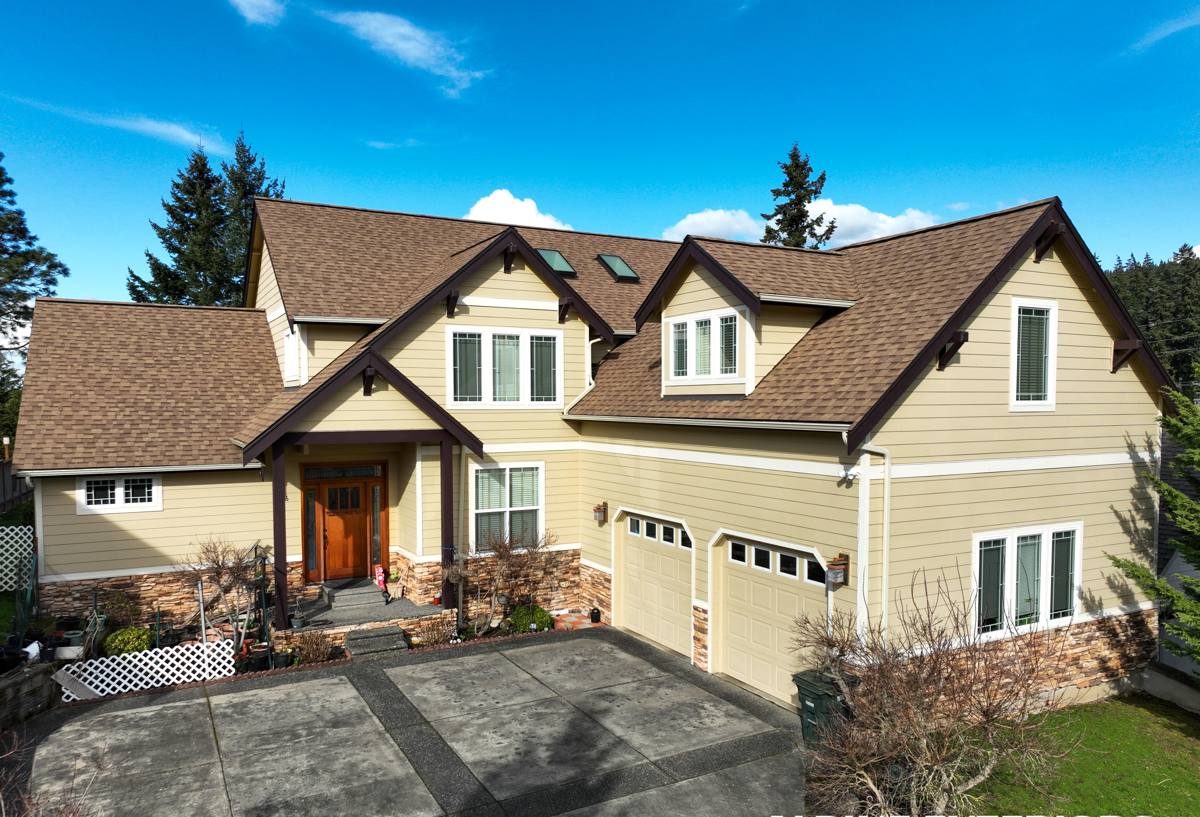
What Coastal Clearwater Does to Windows Over Time
Four things wear windows down faster here than in most of the country, and they compound each other:
- Hurricane-force wind loads: even homes outside the immediate flood zone still face significant wind pressure on glass and frames during tropical systems.
- Year-round, high-intensity UV: Florida sun breaks down vinyl frames, seals, and low-E coatings faster than in cooler, less sunny climates, leading to premature yellowing, brittleness, and seal failure.
- Wind-driven rain: storms here don't just fall straight down — wind pushes water sideways into any gap in flashing or caulking, which is why so many "leaky window" calls trace back to poor installation rather than a bad window itself.
- Salt air: even a few miles inland, airborne salt accelerates corrosion on hardware, screws, and metal components inside the frame assembly.
None of this means Sunset Point homes need to over-build. It means the product and the installation both need to be matched to these specific stresses, which is different from window replacement in a dry, inland climate.
Signs Your Windows Are Losing the Fight
Homeowners usually notice a handful of specific things before they call about replacement. If any of these sound familiar, it's worth an inspection even if the windows still "look fine" from the street:
- Fogging or a cloudy haze between the panes of a double-pane window (the seal has failed and the gas fill is gone)
- Frames that feel soft, chalky, or discolored — especially on the sides that get the most afternoon sun
- Windows that are hard to open, close, or lock, or that rattle in a stiff breeze
- Visible daylight or a draft around the frame when the window is shut
- Water staining on the interior wall or sill after a heavy rain
- A noticeable jump in cooling bills without any other explanation
- Frames or hardware showing rust or corrosion, particularly near the coast
Any one of these on its own might just need a repair. Several of them together, especially on an older home, usually means the windows have reached the end of their useful life and full replacement is the more honest recommendation.
What a Correct Window Replacement Actually Involves
Removal and Opening Inspection
Once the old window comes out, the rough opening gets inspected before anything new goes in. This is the step that gets skipped by crews trying to move fast, and it's the one that matters most in a humid climate — wood rot, rusted fasteners, or compromised sheathing around the opening needs to be addressed before a new window goes in, or the new window will fail from the same root cause as the old one.
Flashing and Weatherproofing
This is the part of the job that's invisible once it's finished, and it's the part most responsible for whether a window leaks in wind-driven rain. Proper flashing tape, sealant, and pan flashing at the sill direct water back out rather than letting it track into the wall cavity. We treat this step as non-negotiable regardless of which window product a homeowner chooses.
Product Selection
The window itself needs to carry the correct wind-load and impact rating for its location on the house, matched to current Florida Building Code requirements for this wind zone. Not every opening on a house necessarily needs the same rating — a covered lanai window and an exposed, unprotected second-story window can have different real-world exposure.
Installation and Fastening
Windows are fastened per the manufacturer's approved installation instructions, which is what keeps the product's impact and wind rating valid. Shortcuts here — wrong fastener spacing, wrong shims, skipped sealant beads — are the most common reason a "good" window still underperforms.
Finishing and Interior Work
Trim, interior sill work, and paint or caulk touch-up finish the job so the new window looks intentional, not patched in. We clean up debris and old materials as part of the job, not as an upsell.
Choosing the Right Window for a Sunset Point Home
There's no single "best" window for every house in the neighborhood — the right call depends on the home's exposure, budget, and how the current openings are framed. The table below covers the frame material trade-offs we walk homeowners through most often.
| Frame Material | Coastal Durability | Maintenance | Typical Cost Position |
|---|---|---|---|
| Vinyl | Good when UV-stabilized; can discolor or soften over many years in direct sun | Low — no painting, occasional cleaning | Entry to mid-range |
| Aluminum | Strong structurally; needs a quality coating to resist salt-air corrosion | Low to moderate | Mid-range |
| Fiberglass | Very stable in heat and UV; resists warping well | Low | Mid to upper range |
| Wood/wood-clad | Attractive but the most vulnerable to humidity and salt air without diligent upkeep | High — regular sealing/painting required | Upper range |
We steer most coastal Pinellas County homeowners away from unclad wood on exposed elevations — not because it can't be a good-looking window, but because the maintenance burden in this humidity and salt exposure is significant, and we'd rather set that expectation up front than have a homeowner surprised by it two summers later.
Impact-Rated Glass vs. Standard Glass with Shutters
This is one of the most common decisions Sunset Point homeowners face, and both are legitimate approaches depending on budget and priorities.
| Factor | Impact-Rated Windows | Standard Glass + Shutters |
|---|---|---|
| Storm prep effort | None — always in place | Shutters must be deployed before each storm |
| Upfront cost | Higher | Lower window cost, plus shutter cost |
| Daily noise/UV reduction | Better, year-round | No everyday benefit |
| Insurance considerations | Can help with certain premium discounts (verify with your carrier) | May also qualify depending on shutter type and carrier |
| Aesthetics | No visible change to the home's exterior | Shutters add visible hardware/track lines |
We're happy to price both approaches side by side. The right answer often comes down to whether a homeowner wants a "set it and forget it" solution or is comfortable with a hands-on storm routine in exchange for a lower upfront cost.
Permitting and Florida Building Code in Pinellas County
Window replacement in Clearwater is a permitted job, not a weekend swap. Pinellas County and the City of Clearwater require permits for window replacement, and the products installed need a valid Florida Product Approval or Miami-Dade Notice of Acceptance (NOA) appropriate to the home's wind zone. We handle the permit application and inspection scheduling as part of the job — this isn't an extra step we bill separately for, it's part of doing the work correctly. A homeowner should be cautious of any contractor who suggests skipping the permit to save time; it can create real problems at resale or with insurance claims down the road.
Our Process, Start to Finish
1. On-Site Assessment
We walk the exterior and each opening, note the current window condition, framing condition, and exposure, and talk through what the homeowner actually wants out of the project.
2. Honest Recommendation and Estimate
We put together options at different price points with the trade-offs explained plainly — no pressure toward the most expensive option if it's not the right fit for the home.
3. Ordering and Scheduling
Windows are ordered to the exact openings, and we schedule the install around weather rather than rushing a job into an incoming system.
4. Installation
Removal, opening inspection, flashing, and installation as outlined above, done opening by opening so the home isn't left exposed longer than necessary.
5. Inspection and Walkthrough
Once the permit inspection clears, we walk the finished job with the homeowner, confirm every window operates properly, and clean up the site.
Why Local Experience in Sunset Point Actually Matters
A crew that already works this part of Clearwater knows the kind of housing stock common to the area, has already dealt with the county's permitting process, and understands the wind-zone requirements without treating them as a surprise mid-project. That familiarity translates into fewer delays, fewer surprises during inspection, and a more accurate estimate the first time — instead of change orders after the crew discovers rot or outdated framing they didn't plan for.
Keeping New Windows Performing Long-Term
A correctly installed window in this climate still benefits from basic upkeep:
- Rinse frames and tracks periodically to clear salt residue, especially after storms
- Check and clean weep holes so water drains rather than pools in the frame
- Inspect exterior caulking annually and touch up before small gaps become leaks
- Lubricate locks and hardware to prevent corrosion from taking hold
- Have seals and glazing checked if you notice fogging start to return
None of this is heavy maintenance, but skipping it is how a good installation slowly turns into a problem years earlier than it should.
If your Sunset Point home has windows that are drafty, fogged, hard to operate, or you're simply planning ahead for storm season, we're glad to take a look and put together a free, no-pressure estimate using the form below.