 Clearwater Siding
 Storm Damage Roof Repair for Belleair Bluffs Homes
Belleair Bluffs sits in the tightly built stretch of Pinellas County between Clearwater and the barrier islands. The neighborhood isn't directly on the Gulf, but it's close enough that homes here take on nearly the same weather load as coastal properties — hurricane-force wind gusts during the summer and fall storm season, wind-driven rain that gets forced sideways under roofing edges, and salt-laden air that never really lets up. Add in Florida's year-round UV exposure and you have a roof system that ages faster here than it would almost anywhere else in the country.
When a storm passes through, the damage isn't always obvious from the driveway. A roof can look fine and still have lifted shingles, compromised flashing, or a soaked layer of decking underneath. This page covers what storm damage actually looks like on a Belleair Bluffs roof, what a correct repair involves, and why local experience matters when you're choosing who fixes it.
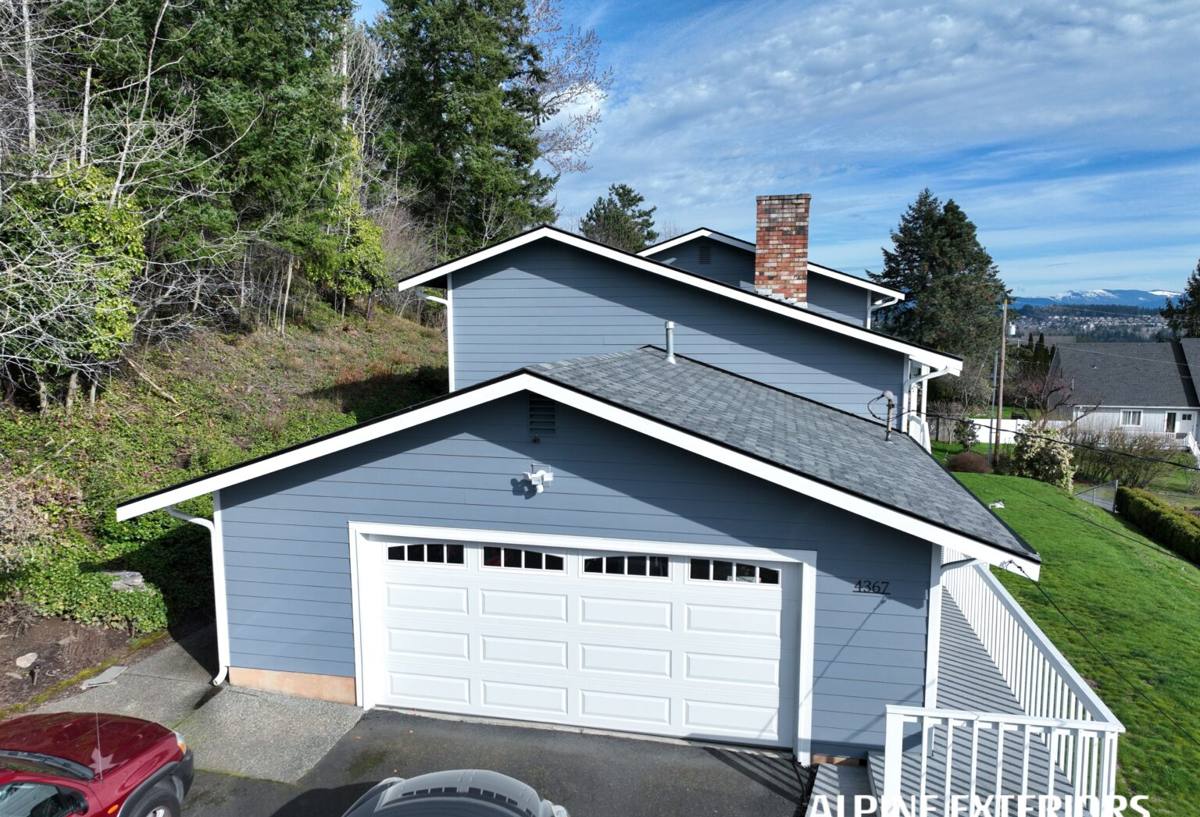
How Pinellas County Weather Wears Down a Roof
Wind and Uplift
Roofing materials are rated for wind resistance, but even a well-installed roof can suffer uplift damage in a strong gust line, especially at ridges, eaves, and rake edges where wind pressure concentrates. Once a shingle or tile edge lifts even slightly, the next storm has something to grab onto, and damage compounds quickly.
Wind-Driven Rain
Straight-down rain and sideways rain behave very differently on a roof. Wind-driven rain gets pushed up under shingle tabs, around vent boots, and into flashing joints that were never designed to handle water moving in that direction. This is one of the most common ways a roof leaks after a storm even when no shingles are visibly missing.
Year-Round UV
Florida roofs don't get much of a seasonal break from the sun. Constant UV exposure dries out asphalt shingles, breaks down sealant strips, and makes roofing materials more brittle — which means they crack and tear more easily the next time wind or debris hits them.
Salt Air and Corrosion
Belleair Bluffs' proximity to the Intracoastal and the Gulf means salt is present in the air even on calm days. Over time, salt exposure corrodes exposed metal fasteners, flashing, and drip edge faster than it would inland, which is part of why fastener and flashing quality matters as much as the shingles themselves.
Signs of Storm Damage Worth a Professional Look
Some storm damage is easy to spot. A lot of it isn't, especially from the ground. After any significant wind or rain event, it's worth checking for:
- Missing, curled, or lifted shingles, especially near ridges and edges
- Bald spots where granules have washed or blown off, exposing the asphalt underneath
- Cracked, slipped, or displaced tiles on tile roofs
- Soft or spongy spots when walking the roof, which can mean saturated decking
- Fresh water stains or discoloration on ceilings or in the attic
- Bent, lifted, or separated flashing around chimneys, skylights, and vent pipes
- Small punctures or dents from wind-blown debris
- Sagging in any section of the roofline
If you notice any of these, it's worth getting a roof looked at before the next rain, not after.
What a Correct Storm Damage Repair Actually Involves
Inspection First, Not Guesswork
A proper repair starts with a full inspection — not just of the visible damage, but of the surrounding roof area, the attic underneath, and the flashing details that tend to fail quietly. Storm damage is rarely limited to the one spot a homeowner noticed first.
Decking Condition
If water has gotten under the roofing material, the plywood decking underneath may be softened or rotted. Repairing over damaged decking is one of the most common shortcuts in this trade, and it's why roofs that look "repaired" sometimes leak again within a year. Any wet or compromised decking needs to be cut out and replaced before new material goes down.
Underlayment and Flashing
The underlayment is the water-resistant layer between the decking and the visible roofing material — it's what actually keeps a home dry when wind drives rain under a shingle or tile edge. Flashing around chimneys, walls, skylights, and vents is one of the most frequent failure points in a storm. Both need to be reinstalled correctly, not just patched with sealant, which is a short-term fix at best.
Matching Shingles or Tiles
Where a full section doesn't need replacing, we match the existing shingle or tile profile and, as closely as possible, the color and wear pattern, so the repair blends in rather than standing out as an obvious patch.
Ventilation Check
Storm repairs are also a good time to confirm the roof's ventilation is working as intended. Poor attic ventilation traps heat and moisture, which shortens the life of any roofing material — something that matters even more given how much UV and humidity a Pinellas County roof already deals with.
Repair or Replace? What Determines the Right Call
Not every storm-damaged roof needs full replacement, and not every roof is a good candidate for another round of patch repairs. The honest answer depends on a handful of factors:
| Factor | Leans Toward Repair | Leans Toward Replacement |
|---|---|---|
| Extent of damage | Isolated to one section or slope | Spread across multiple areas of the roof |
| Roof age | Roof is well within its expected lifespan | Roof is already near the end of its service life |
| Decking condition | Decking is sound once exposed | Widespread rot or soft decking found |
| Repair history | First significant repair needed | Roof has needed repeated patch repairs already |
| Long-term cost | Repair cost is proportionate to remaining roof life | Repair cost approaches a meaningful share of replacement cost |
We'll tell you honestly which category your roof falls into. A repair that's likely to fail again within a year or two isn't a good use of your money, and we'd rather say so upfront than sell you a patch job twice.
Our Storm Damage Repair Process
- On-site inspection with photo documentation of all damage found, including areas beyond the obvious problem spot
- A clear, written estimate that separates what's necessary from what's optional
- Temporary protection — tarping or emergency sealing — if the roof is actively leaking and repair can't happen immediately
- Removal of damaged shingles, tile, underlayment, or decking as needed
- Decking repair or replacement where water intrusion has compromised it
- Installation of new underlayment and flashing at all vulnerable points
- Shingle or tile installation, matched to the existing roof where a full replacement isn't warranted
- Cleanup and a final walkthrough so you know exactly what was done and why
Working With Your Insurance Claim
Many storm damage repairs in Belleair Bluffs involve a homeowner's insurance claim. We can document the damage thoroughly with photos and a written scope of work, which helps support your claim, but we don't control what an adjuster decides — that relationship is between you and your insurer. What we'd recommend is reporting damage to your insurance company promptly, keeping any receipts related to emergency protection like tarping, and being cautious of contractors who show up unannounced after a storm pushing same-day contracts. A rushed decision under pressure is rarely a good one, especially with something as important as your roof.
Materials Built for Coastal Pinellas County Conditions
Wind-Rated Shingles and Tile
We install roofing materials rated for the wind exposure Florida building code requires for this region, and where a homeowner is open to it, we'll often recommend stepping up to a higher wind rating than the bare minimum. It costs more upfront, but for a roof that's going to face hurricane season every year, it's a trade-off that tends to pay for itself in fewer repeat repairs.
Corrosion-Resistant Fasteners and Flashing
Given how much salt air Belleair Bluffs sees, we use fasteners and flashing that resist corrosion rather than the cheapest option available. Standard uncoated fasteners can start rusting and weakening well before a roof's expected lifespan is up in a salt-air environment — a detail that's easy to skip and hard to notice until it fails.
Why a Crew That Already Works Belleair Bluffs Matters
Roofing companies that mostly work inland don't always account for the extra wear coastal-adjacent wind and salt exposure puts on a roof. A crew that regularly works in and around Clearwater and Belleair Bluffs knows what the local wind exposure category requires, understands the permitting process with Pinellas County and local jurisdictions, and has a realistic sense of how quickly materials age in this specific climate versus a roof twenty or thirty miles inland. That local pattern recognition matters — it's the difference between a repair that addresses the actual cause of the leak and one that just covers up the symptom until the next storm.
It also matters for response time. After a significant storm, roofing crews get busy fast, and homeowners who work with someone already established in the area tend to get seen sooner than those starting from scratch with an out-of-town crew.
Get a Free, No-Pressure Estimate
If your Belleair Bluffs roof took a hit in the last storm — or you're just not sure whether what you're seeing is normal wear or something that needs attention — we're happy to take a look and give you an honest assessment. There's no obligation and no pressure, just a straight answer about what your roof needs. Use the form below to request your free estimate.