 Clearwater Siding
 Oldsmar sits at the north end of Pinellas County, close enough to Old Tampa Bay that salt air, humidity, and wind-driven storms shape roof performance here just as much as they do closer to the Gulf. A roof that was fine when it went on fifteen or twenty years ago is often not the roof you'd choose today, and a full replacement is a bigger decision than most homeowners make more than once or twice in a lifetime. This page covers what actually goes into a correct new roof installation for an Oldsmar home, and what to expect if you're weighing replacement now.
What Oldsmar's Climate Actually Does to a Roof
Every roofing material sold in Florida is rated to handle heat and rain in general terms. What varies is how well it holds up to the specific combination Pinellas County homes deal with year after year: intense UV exposure nearly every day of the year, wind-driven rain that gets pushed sideways under poorly sealed edges and flashing, hurricane-force gusts during the active storm months, and a steady dose of salt-laden air off the bay that accelerates corrosion on fasteners and metal components.
None of these factors destroy a roof overnight. They work slowly, which is exactly why so many replacements happen only after a leak shows up inside the house — by which point the underlying deck and underlayment have often been compromised for a while. A roof designed and installed with this climate in mind uses materials, fastening patterns, and flashing details that are more resistant to all four stressors at once, not just rated for one of them on a spec sheet.
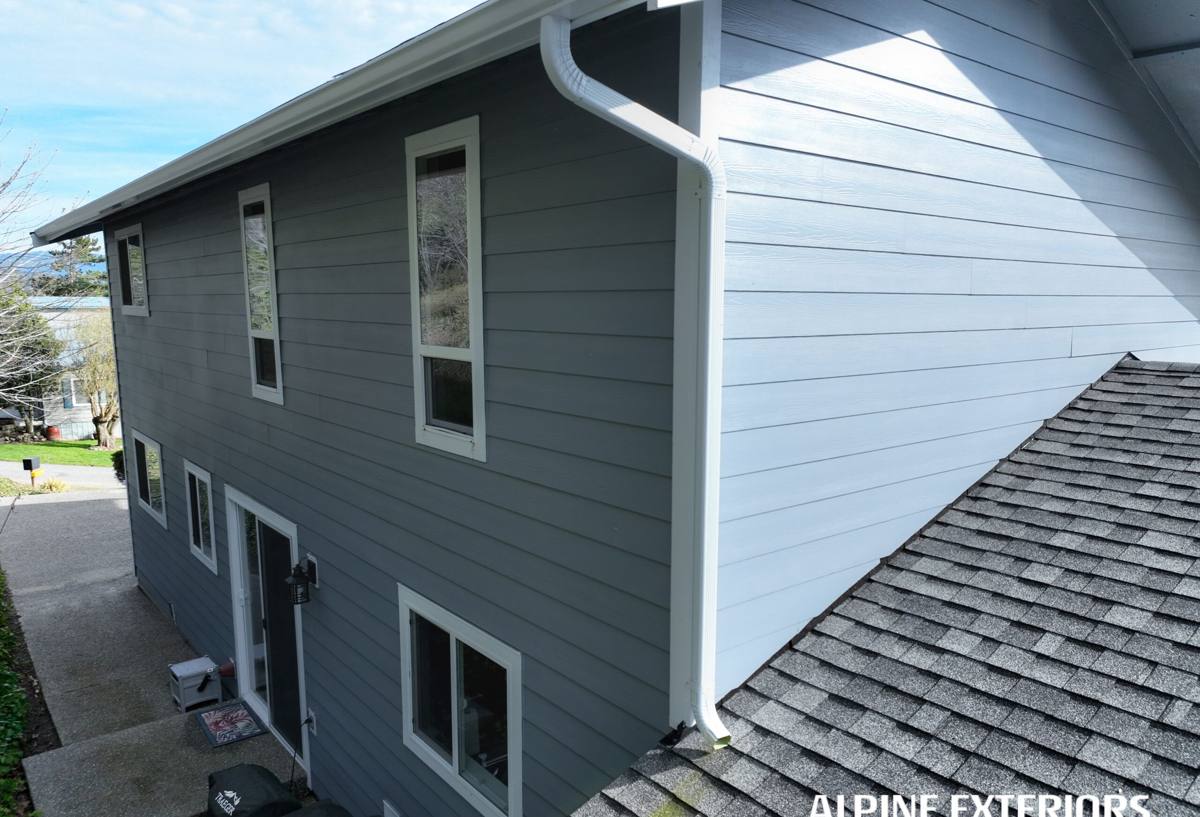
Signs an Oldsmar Roof Has Reached Replacement Age
Repair makes sense for isolated damage — a cracked pipe boot, a section of lifted shingles after a storm, a small area of flashing failure. Full replacement becomes the more honest recommendation when the damage or wear is spread across the whole roof rather than confined to one spot. Common signs include:
- Granule loss heavy enough that shingles look patchy or bald in large areas, not just one slope
- Multiple soft spots or visible sagging when walked or inspected from the attic
- Recurring leaks in different locations after each repair, rather than one leak that stays fixed
- Widespread curling, cracking, or brittle shingles — a sign the mat has aged out, not just the surface
- Rusted, lifting, or missing flashing around chimneys, skylights, and roof-to-wall transitions
- A roof approaching or past the end of its material's realistic service life in this climate, even without visible leaks yet
If a roof is showing two or more of these at once, patch repairs usually end up costing more over a few years than a single, well-done replacement.
What a Correct New Roof Installation Actually Involves
Full Tear-Off, Not a Layover
Florida building code and honest trade practice both point the same direction: the old roofing material comes off down to the deck. Roofing over an existing layer traps moisture, hides deck damage, and voids most manufacturer warranties. A full tear-off is the only way to actually inspect and fix what's underneath.
Deck Inspection and Repair
Once the old material is off, the plywood or OSB deck gets inspected board by board. Any wood that's soft, delaminated, or water-stained gets replaced before anything new goes down — installing a new roof over a compromised deck is one of the most common causes of early failure, and it's not something that can be judged accurately from the ground or from photos.
Underlayment and Water Barrier
This layer is doing more work than most homeowners realize, especially in a climate with this much wind-driven rain. Self-adhering underlayment at eaves, valleys, and penetrations gives a second line of defense if wind ever drives water past the surface material — which, during a tropical system, it eventually will somewhere on the roof.
Flashing at Every Transition
Chimneys, skylights, sidewalls, and roof-to-wall junctions are where the large majority of leaks actually originate — not in the open field of shingles. New, properly lapped flashing at every one of these points matters more to long-term performance than almost any other single detail in the job.
Fastening for Wind Uplift
Pinellas County's wind-borne debris region requirements set minimums for fastener count and pattern. We install to meet or exceed code for the specific product and roof geometry, since uplift resistance is what keeps a roof intact during the wind events this area gets on a regular basis, not just during a named storm.
Ventilation
An attic that can't breathe traps heat and moisture, which shortens shingle life from underneath even when the surface looks fine. Balanced intake and exhaust ventilation is part of a correct installation, not an upsell.
Roofing Material Options for Oldsmar Homes
There's no single "best" roofing material for every house — the right choice depends on budget, roof pitch, how long you plan to stay in the home, and how much maintenance you want to think about. Here's an honest comparison of the options we install most often in this area.
| Material | Typical Lifespan Here | Wind/UV Performance | Maintenance |
|---|---|---|---|
| Architectural asphalt shingle | 18-25 years | Good with proper fastening and high-wind-rated products | Low; periodic inspection |
| 3-tab asphalt shingle | 12-18 years | Lower wind resistance than architectural | Low |
| Standing seam metal | 40+ years | Excellent; handles wind and salt air well when properly coated | Low; occasional fastener/sealant check |
| Tile (concrete or clay) | 40-50+ years | Very good wind resistance; underlayment is the weak point over time | Moderate; underlayment often needs replacement before the tile does |
Whichever material fits your home and budget, we install it to the manufacturer's specification and Pinellas County code minimums — not the fewest fasteners we can get away with.
Our Process for an Oldsmar Roof Replacement
- On-site inspection and estimate. We look at the current roof, attic, and any interior signs of leaks, then give you a written estimate with material options.
- Material selection. We walk through the tradeoffs in the table above based on your budget and how long you plan to be in the home.
- Permitting. Roof replacements in Oldsmar and the rest of Pinellas County require a permit and inspection. We handle the paperwork and coordinate the inspection.
- Tear-off and deck repair. Old material removed, deck inspected, any damaged sections replaced before moving forward.
- Underlayment, flashing, and installation. Installed in the sequence and to the fastening pattern the product and code require.
- Cleanup and final walkthrough. Magnetic sweep for debris and nails, gutters checked, and a walkthrough so you can see the finished work.
- Final inspection. The county inspection closes out the permit, giving you documentation for insurance and resale.
What Affects the Cost of a New Roof
| Factor | Why It Matters |
|---|---|
| Roof size and complexity | More valleys, hips, and penetrations mean more flashing labor and material waste |
| Material choice | Metal and tile cost more upfront but last far longer than asphalt shingle |
| Deck condition | Rotted or soft decking found during tear-off adds material and labor not visible in an initial quote |
| Roof pitch and access | Steep or hard-to-access roofs take longer and require more safety setup |
| Wind rating and fastening requirements | Higher wind-rated installations use more fasteners and sometimes different underlayment |
We give a firm, written estimate before work starts and explain any changes in scope if deck damage turns up mid-tear-off — you're never surprised by a change order you didn't approve.
Why It Matters That We Already Work in Oldsmar
A crew that regularly works in this part of Pinellas County already knows the local permitting process, the wind-borne debris region requirements that apply here, and how salt air off the bay tends to affect fasteners and flashing on homes in this area over time. That familiarity shows up in small ways that add up: fewer permit delays, fewer surprises during inspection, and material and fastening choices that are already matched to what actually holds up in this specific coastal-adjacent climate rather than a generic Florida spec.
It also means we're a known, reachable local business if a question comes up after the job is done — not a crew that worked one project in the area and moved on.
Before You Replace: A Practical Checklist
- Get a written estimate that itemizes material, labor, permit, and disposal — not just a lump-sum number
- Confirm the contractor is licensed and insured, and ask to see current documentation
- Ask what wind rating the proposed material and fastening pattern will meet for your specific roof
- Ask how deck repairs, if needed, will be priced and approved before they happen
- Confirm the permit will be pulled in the contractor's name, not left to you
- Ask what the manufacturer warranty requires to stay valid, and whether the installer is certified for it
Getting Started
If your Oldsmar roof is showing its age, or you just want an honest read on how much life it has left, we're happy to take a look. The estimate is free, there's no pressure to sign anything on the spot, and you'll walk away with a clear picture of your options and real numbers — use the form below to get started.