 Clearwater Siding
 Building Decks for Harbor Oaks Homes
Harbor Oaks sits close enough to the water that every outdoor structure on a property feels the effects of it, whether the home is a few blocks from Clearwater Harbor or further inland toward US-19. A deck here isn't just a place to put a grill and some chairs — it's an outdoor room that has to survive salt-laden air, intense Florida sun, and the kind of wind-driven rain that finds every gap in a poorly built structure. We build custom decks for Harbor Oaks homeowners with that reality in mind, not as an afterthought.
A deck built the same way you'd build one in a dry, inland climate will not last in Clearwater. The fasteners corrode faster, the wood dries and cracks under UV exposure, and framing that isn't properly vented traps moisture after every afternoon storm. Getting a deck right in this neighborhood means starting with materials and construction methods chosen specifically for Pinellas County conditions, not a generic build plan.
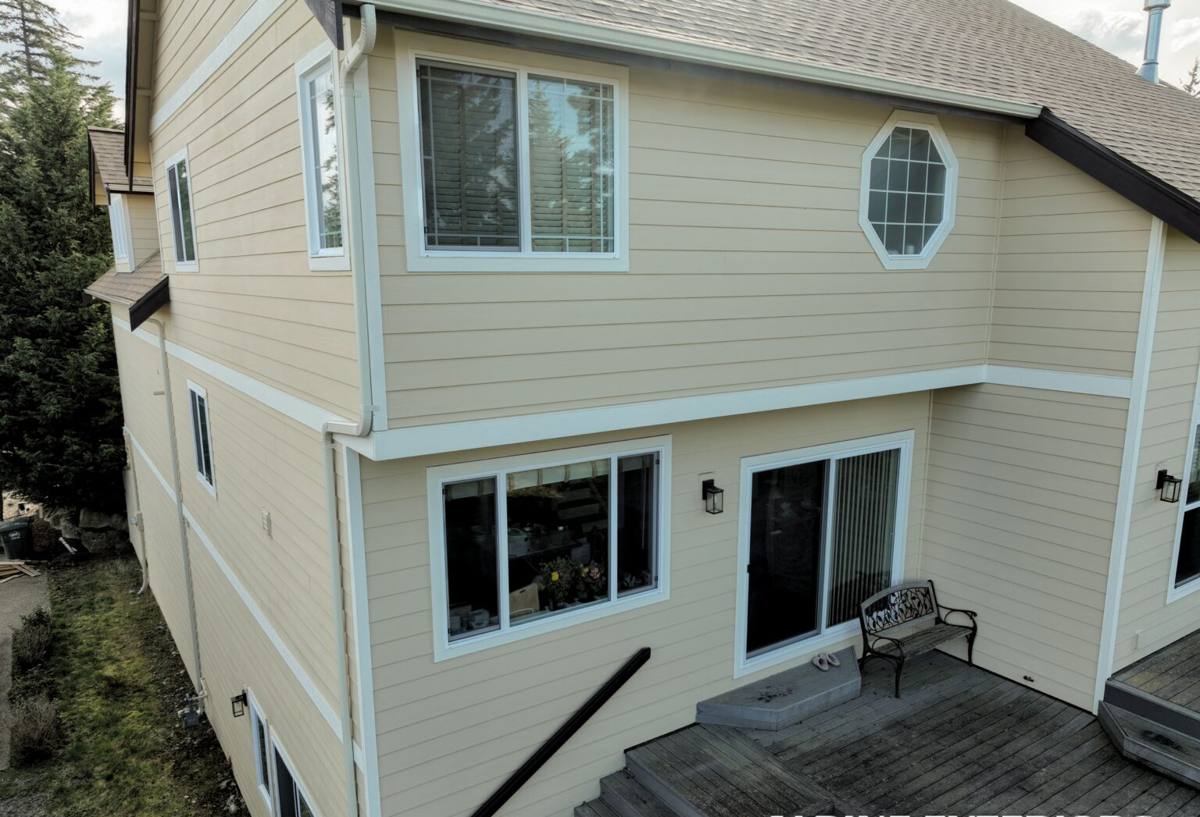
What Harbor Oaks' Climate Does to a Deck
Salt Air and Corrosion
Even homes that aren't waterfront in Harbor Oaks get salt air drift off Clearwater Harbor and the Gulf. Salt accelerates corrosion in any exposed metal — screws, bolts, joist hangers, railing brackets. A deck built with standard hardware can develop rust streaks and weakened connections within a few years. This is one of the most common problems we see when we're called out to inspect or repair an older deck in this area.
UV Exposure
Florida sun is intense and consistent almost year-round. Untreated or poorly finished wood decking grays, splinters, and checks (cracks along the grain) faster here than in most parts of the country. Composite decking without adequate UV stabilizers can fade unevenly, especially on south- and west-facing sections that get the most direct sun.
Wind and Wind-Driven Rain
Clearwater sits in a hurricane-exposed part of the Gulf coast, and Harbor Oaks is no exception. A deck attached to the house needs a ledger connection and structural framing that can handle uplift and lateral loads during high wind events, not just the static weight of people and furniture. Wind-driven rain also gets pushed sideways and upward under normal conditions, which means flashing and drainage details matter more here than in calmer climates.
Humidity and Moisture Cycling
Between afternoon thunderstorms and high ambient humidity, deck framing in this area goes through frequent wet-dry cycles. Wood that isn't properly treated, coated, or spaced for airflow will hold moisture against fasteners and framing members, which is where rot and hidden structural damage usually start.
What a Correctly Built Deck Includes
A deck that's actually built for Harbor Oaks conditions — not just built to pass a basic inspection — includes a few things that are easy to skip if a crew is cutting corners:
- Stainless steel or heavy hot-dip galvanized fasteners and connectors rated for coastal exposure, not standard zinc-coated hardware
- Proper ledger board flashing where the deck attaches to the house, to stop water intrusion into the wall framing
- Joist framing spaced and vented to allow airflow underneath decking, reducing trapped moisture
- Footings sized and set to local frost-free depth and soil conditions, with hurricane-rated post connections
- Decking material chosen for UV and moisture performance, with attention to how it will look and perform on sun-exposed sides of the house
- Railing systems that meet current Florida Building Code height and baluster spacing requirements
- Stair stringers and landings built to code, with slip-resistant surfaces where water pooling is likely
Skipping any one of these doesn't usually cause an immediate problem. It shows up two, three, or five years later as a soft spot in the decking, a rusted-out post bracket, or a ledger board that's rotted from water working its way behind it.
Choosing a Decking Material for This Neighborhood
There's no single "best" decking material for every Harbor Oaks home — it depends on budget, how much maintenance the homeowner wants to do, and how exposed the deck is to sun and salt. Here's how the common options actually compare in this climate:
| Material | Coastal/UV Performance | Maintenance | Typical Lifespan Here |
|---|---|---|---|
| Pressure-treated pine | Needs sealing to resist moisture and UV; can gray and check without upkeep | Annual cleaning and re-sealing recommended | 10-15 years with regular maintenance |
| Tropical hardwoods (e.g. ipe) | Naturally dense and rot-resistant; holds up well to sun with periodic oiling | Oiling every 1-2 years to maintain color | 20-25+ years |
| Capped composite | Strong UV and moisture resistance; consistent performance across sun exposure | Occasional washing, no sealing or staining | 25-30 years |
| Uncapped composite | More prone to moisture absorption and fading in intense, consistent sun | Low, but fading and staining are harder to reverse | 15-20 years |
We'll walk through these trade-offs honestly during an estimate. A lot of Harbor Oaks homeowners land on capped composite for low-maintenance living near the water, while others prefer the look and feel of real wood and are willing to keep up with sealing on a schedule. There's no wrong answer as long as the choice matches what the homeowner actually wants to maintain.
Design Considerations Specific to Harbor Oaks Properties
Lot sizes and home layouts in Harbor Oaks vary, but a few design questions come up often in this part of Clearwater:
Shade and Sun Exposure
Decks facing south or west take the brunt of the afternoon sun. We factor this into material selection and sometimes into design — pergolas, partial roof coverage, or strategic layout can make a big difference in how usable the deck actually is in July and August.
Elevation and Drainage
Pinellas County's flat terrain and high water table mean drainage around and under a deck needs real thought, not just a sloped grade assumption. Poor drainage under a low deck leads to standing water, mosquito issues, and faster wood decay.
Connection to Existing Outdoor Living Space
Many homes in this area already have a lanai, pool deck, or patio. A custom deck often needs to tie into that existing hardscape cleanly — matching elevations, coordinating step transitions, and making sure the new structure doesn't trap water against the old one.
Our Process for a Harbor Oaks Deck Project
- On-site assessment — we look at sun exposure, drainage, soil, existing structures, and how the deck will connect to the house.
- Design and material selection — we go over decking, railing, and framing options with honest cost and maintenance trade-offs for this climate.
- Permitting — decks in Clearwater require a building permit; we handle the application and coordinate inspections through the City of Clearwater's process.
- Framing and structural work — footings, posts, ledger attachment, and joist framing, built with corrosion-resistant hardware throughout.
- Decking, railing, and finish work — installed to manufacturer specs (critical for keeping any material warranty valid) and code-compliant railing.
- Final walkthrough — we go over the finished deck with the homeowner, including basic care and maintenance specific to whatever material was installed.
Why Local Experience Matters for This Job
A deck built by a crew that hasn't worked in coastal Pinellas County before will often make small decisions that don't account for salt exposure or wind-driven rain — because those aren't problems in most other parts of the country. A crew that already works in Harbor Oaks and around Clearwater Harbor knows which hardware actually holds up, how local building department reviewers want ledger flashing detailed, and how footing depth and post connections need to be handled for storm-prone conditions. That experience doesn't show up in a sales pitch — it shows up five years later, in whether the deck still feels solid.
Maintenance After Installation
Whatever material is chosen, a few habits extend the life of any deck in this climate:
- Rinse off salt residue and debris periodically, especially after storms with onshore wind
- Check railing and stair connections annually for loosening or corrosion
- Keep gutters and downspouts clear so runoff isn't dumping extra water onto or under the deck
- Re-seal or re-oil wood decking on the schedule appropriate to the species used
- Address any soft spots, discoloration, or fastener staining promptly rather than waiting
Cost Factors to Expect
Deck pricing depends on size, framing height and complexity, decking material, and railing choice. Rather than a single number, it helps to think in terms of what drives cost up or down:
| Factor | Impact on Cost |
|---|---|
| Elevated deck vs. ground-level | Elevated decks require more structural framing, footings, and often stairs — higher cost |
| Decking material | Pressure-treated pine is the lowest upfront cost; hardwoods and premium composites cost more per square foot |
| Railing style | Basic wood or metal baluster railing is less expensive than glass panel or cable railing systems |
| Site access and prep | Tight lots or extensive grading/drainage work adds labor time |
| Custom features | Built-in seating, multi-level layouts, and pergola additions add to both material and labor cost |
We provide a detailed, itemized estimate before any work starts so there are no surprises once the project is underway.
If you're planning a new deck or replacing an aging one in Harbor Oaks, we're happy to come take a look and talk through what makes sense for your property and budget. Fill out the form below for a free, no-pressure estimate.