 Clearwater Siding
 Asphalt Shingle Roofing Built for Dunedin's Coastal Conditions
Dunedin sits close enough to the Gulf that salt air, humidity, and wind-driven rain are part of daily life for every roof in the area. Add in Pinellas County's intense year-round UV exposure and the occasional hurricane-force wind event, and you have a climate that is genuinely hard on roofing materials. Asphalt shingles remain one of the most practical, cost-effective choices for homeowners here, but only when the product, the underlayment system, and the installation are all matched to what this coastline actually demands.
This page covers what a correct asphalt shingle roof looks like for a Dunedin home specifically — not a generic overview of shingle roofing in general. If you're comparing bids or trying to understand why one quote looks different from another, this should help.
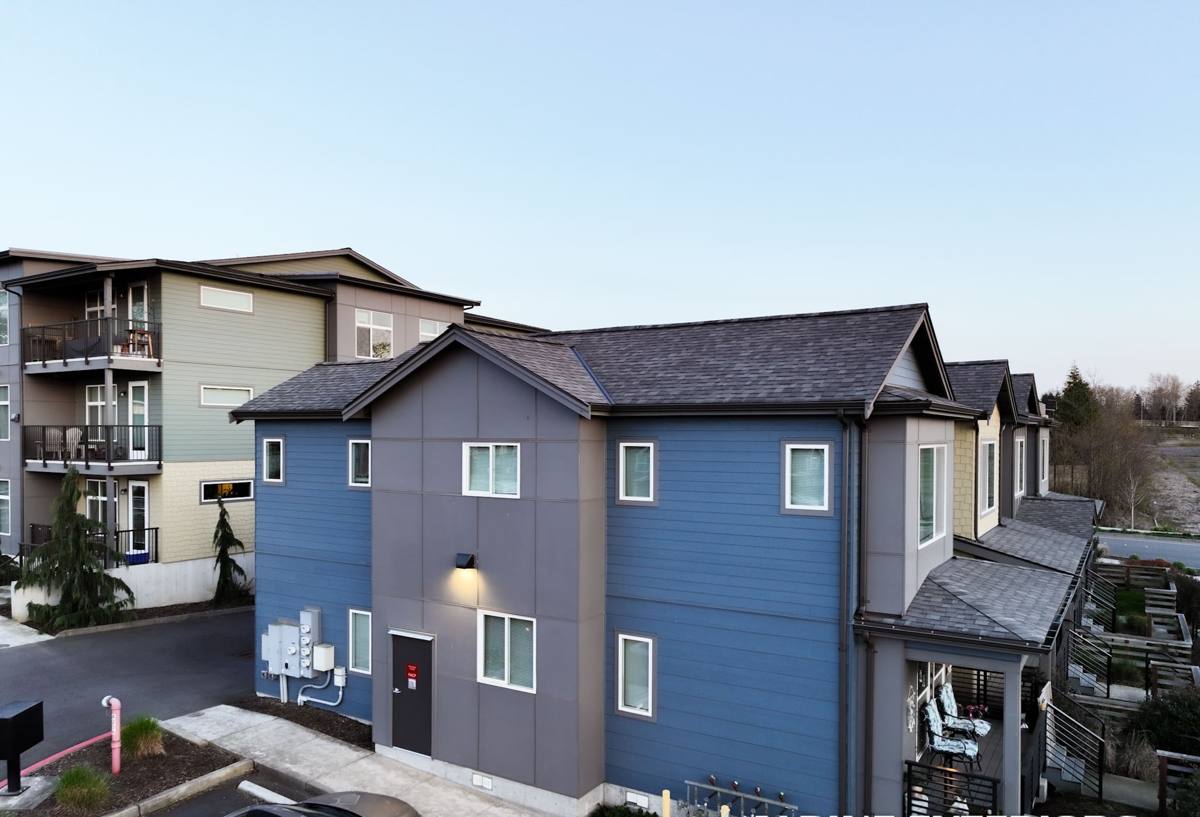
What Dunedin's Climate Actually Does to a Roof
Wind and Storm Exposure
Dunedin's proximity to the water means roofs regularly deal with sustained wind and gusts well above what inland Florida homes see, especially during tropical storm season. Shingles that aren't rated for high wind, or that were installed with the wrong nailing pattern, are the first thing to fail — often starting at ridges, hips, and edges where uplift pressure is highest.
UV Degradation
Florida sun is relentless on roofing. UV exposure breaks down the asphalt binders in shingles over time, causing granule loss, brittleness, and premature aging. A shingle rated for a 30-year lifespan in a moderate climate may not reach that mark here without the right ventilation and attic conditions supporting it.
Salt Air and Corrosion
Being close to the Gulf means airborne salt settles on roofing surfaces and accelerates corrosion of exposed metal — flashing, fasteners, vent boots, and drip edge. Standard fasteners and lower-grade flashing metal corrode faster here than they would 30 miles inland, which is why material selection matters as much as the shingle brand itself.
Wind-Driven Rain
Storms here rarely bring rain straight down. Wind-driven rain gets pushed sideways and upward under shingle edges, valleys, and around penetrations, which means underlayment quality and flashing detail work matter more in Dunedin than they would in a drier, calmer climate.
What a Correct Asphalt Shingle Installation Includes
A roof that's going to hold up under these conditions needs more than shingles nailed to plywood. Here's what we consider non-negotiable on every Dunedin roofing job:
- Wind-rated architectural shingles matched to current Florida Building Code wind speed requirements for this area
- Full synthetic or self-adhering underlayment, not just a single layer of felt, especially in valleys and around penetrations
- Corrosion-resistant flashing and fasteners suited to salt-air exposure
- Proper nailing pattern and nail placement — hand-driven or gun-set to manufacturer spec, not just "close enough"
- Ice-and-water-style membrane at eaves, valleys, and roof-to-wall transitions (yes, even in Florida — it's about wind-driven rain, not ice)
- Balanced attic ventilation so heat and moisture don't shorten shingle life from underneath
- Drip edge and starter strip installed correctly at all eaves and rakes, not skipped to save material cost
Skipping any one of these doesn't usually show up as a problem in year one. It shows up in year seven or eight, as a leak that seems to come from nowhere, or shingles that blow off in a storm that a properly installed roof would have handled fine.
Choosing the Right Shingle Product for a Dunedin Roof
Not every asphalt shingle sold in Florida is built the same. We steer homeowners toward products with a wind rating and warranty structure that actually fits this climate, rather than the cheapest option on a supplier's shelf. The trade-offs are usually straightforward:
| Shingle Type | Typical Wind Rating | Best Fit For | Trade-Offs |
|---|---|---|---|
| 3-tab shingles | Lower (60-70 mph range) | Budget-focused projects, sheds, low-slope accessory structures | Shorter lifespan in coastal wind; less impact resistance |
| Architectural (laminate) shingles | Higher (110-130 mph range, product dependent) | Most Dunedin homes | Higher material cost, but far better wind and UV performance |
| Impact-resistant (Class 4) shingles | High, plus impact rating | Homes wanting possible insurance premium credits | Highest upfront cost; insurance discount varies by carrier |
We'll walk through which category makes sense for your roof's slope, your budget, and whether you want to explore insurance credits for impact resistance — that's a conversation worth having with your carrier directly, since discount programs vary.
Our Process for a Dunedin Roofing Project
1. Inspection and Honest Assessment
We start by getting on the roof (or using a close visual and photo inspection when access is limited) to check the current deck condition, flashing, ventilation, and any signs of prior storm or moisture damage. We'll tell you plainly if a repair makes more sense than a full replacement.
2. Scope and Material Selection
We walk through shingle options, underlayment upgrades, and flashing details based on what your roof's exposure actually calls for — not a one-size-fits-all package.
3. Tear-Off and Deck Inspection
Full tear-off to the deck on replacement projects, with any soft or damaged decking replaced before a single shingle goes down. Covering up bad decking is one of the most common shortcuts in this trade, and it's one we won't take.
4. Underlayment and Flashing
This is where coastal-grade roofs are actually won or lost. Proper underlayment layering, valley protection, and corrosion-resistant flashing go in before shingles are ever placed.
5. Shingle Installation
Installed to manufacturer specification for nailing pattern, exposure, and alignment — the details that determine whether a wind warranty is actually valid if you ever need to use it.
6. Final Walkthrough
We review the finished roof with you, confirm ventilation is functioning as designed, and go over warranty paperwork so you know exactly what's covered and for how long.
Repair vs. Replacement: How We Help You Decide
Not every roofing issue in Dunedin means a full replacement. If your shingles are still within their expected service life and the damage is isolated — a few storm-lifted shingles, a failed pipe boot, a small area of granule loss — a targeted repair is usually the right call and the honest recommendation. Replacement becomes the smarter move when we see widespread granule loss, multiple layers of aging shingles, soft decking, or recurring leaks in different spots after storms. We'll show you what we find and explain our reasoning either way, rather than defaulting to the bigger job.
Signs It's Time to Call for an Inspection
- Shingles that are curling, cracking, or losing granules in patches
- Missing shingles or exposed nail heads after a storm
- Water stains on interior ceilings, especially near valleys or chimneys
- Visible sagging along the roofline
- A roof approaching 15-20 years old that hasn't had a professional inspection recently
- Higher-than-usual cooling bills, which can point to failing attic ventilation
Why It Matters to Hire a Crew That Already Works in Dunedin
Roofing code requirements, permitting, and wind-load expectations in Pinellas County aren't identical to what a crew might be used to further inland. A contractor who regularly works this stretch of coastline already knows which underlayment upgrades are worth the cost here, which flashing materials hold up to salt air, and how local permitting and inspection processes actually run. That local familiarity translates directly into fewer surprises, fewer callbacks, and a roof that's built for the conditions it will actually face — not a generic spec sheet.
What Affects the Cost of a Shingle Roof in This Area
Every roof is different, but the same handful of factors drive most of the cost variation we see on Dunedin projects:
- Roof size and the number of planes, valleys, and penetrations
- Current deck condition and how much replacement decking is needed
- Shingle tier selected — standard architectural versus impact-resistant Class 4
- Underlayment and flashing upgrades appropriate for coastal wind and salt exposure
- Roof pitch and accessibility
- Removal and disposal of existing layers
We don't quote a flat per-square number without seeing the roof first, because two houses of the same size can have very different scopes once you factor in deck condition and detail work. What we can promise is a written estimate that spells out materials and scope clearly, so you're not guessing at what's included.
Maintaining Your Roof After Installation
A well-installed shingle roof in Dunedin still benefits from basic upkeep. Keep gutters clear so water doesn't back up under the eaves, trim back overhanging branches that drop debris and hold moisture against the shingles, and have the roof looked at after any major storm — even if nothing looks obviously wrong from the ground. Small issues caught early, like a lifted shingle tab or a cracked pipe boot, are inexpensive to fix and prevent much larger problems from developing underneath.
If you're weighing a repair, a replacement, or just want a straight answer on where your roof currently stands, we're happy to take a look. Reach out for a free, no-pressure estimate using the form below — we'll give you an honest assessment either way.