 Clearwater Siding
 Siding Installation for Del Oro Homes
Del Oro sits inside one of the toughest climates in the country for exterior building materials. Homes here deal with a combination most siding products were never engineered for: sustained subtropical humidity, intense UV exposure nearly every day of the year, salt-laden air moving in off the Gulf, and the real possibility of hurricane-force wind and wind-driven rain during storm season. Siding that looks fine going up can fail quietly over a few years if it isn't matched to that combination — and by the time the failure shows on the surface, the substrate underneath is often already compromised.
We install James Hardie fiber cement siding exclusively, and we've worked in Del Oro and the surrounding Clearwater neighborhoods long enough to know which details actually matter here versus which ones are just checklist items in a manual written for a different climate.
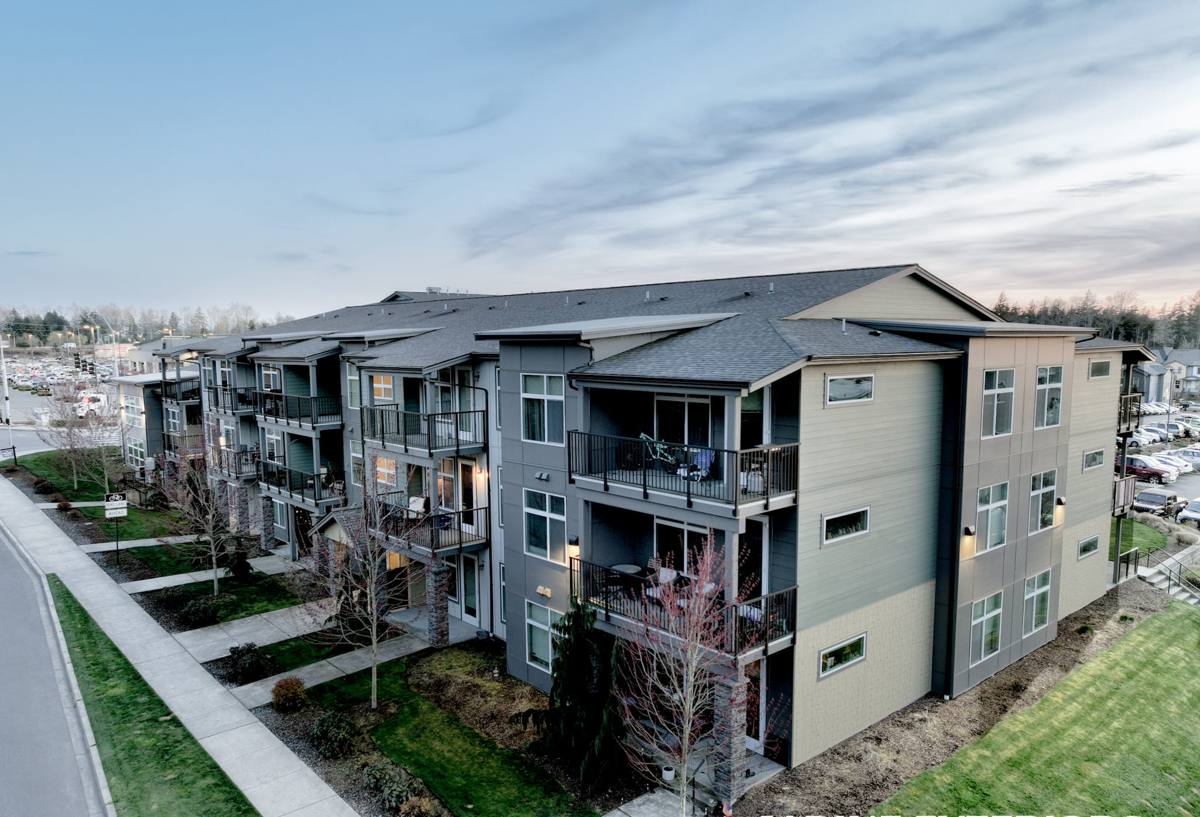
What Del Oro's Climate Actually Does to Siding
Heat and UV
Florida sun is relentless, and it doesn't take a break in the winter the way it does further north. Siding facing south and west in Del Oro absorbs punishing UV load year-round. Cheap or thin factory finishes chalk, fade, and become brittle under that kind of exposure — often unevenly, so one side of the house looks noticeably older than the others within a few years.
Humidity and Moisture Cycling
Pinellas County humidity means siding materials are constantly absorbing and releasing moisture, even when it isn't actively raining. Materials that swell and contract with that cycle work their fasteners loose, open up seams, and eventually warp. This is a slow, structural problem — not a cosmetic one — and it's the single biggest reason we don't install wood-based or wood-adjacent siding products.
Salt Air
Del Oro isn't oceanfront, but Clearwater's proximity to the Gulf means salt aerosol travels well inland on prevailing winds. Salt accelerates corrosion on fasteners and trim, and it degrades finishes that aren't formulated to resist it. Over time it also draws moisture into any surface that isn't sealed properly.
Wind and Wind-Driven Rain
Hurricane season brings sustained wind loads that test every fastener and every lap in a siding installation, and the rain that comes with it is almost never vertical — it's driven sideways into the wall assembly. A siding job that isn't detailed for wind-driven rain will let water behind the cladding during exactly the kind of storm Clearwater sees every year.
Why We Only Install James Hardie Fiber Cement
We don't install vinyl, LP SmartSide, Cemplank, Allura, or primed wood siding, and we're upfront with Del Oro homeowners about why. Each of those products can be a reasonable choice somewhere — but not in this climate, installed the way most crews install it.
- Vinyl softens and can warp under sustained heat load, and it isn't rated to withstand the wind speeds hurricane season can bring.
- LP SmartSide and other engineered wood products are wood at their core — treated and engineered, but still wood. In a humidity cycle like ours, any breach in the coating lets moisture into the wood strand substrate, and that damage spreads before it's visible from the outside.
- Cemplank and Allura are fiber cement, which is the right material category — but we've standardized on one manufacturer's system, factory finish, and installation spec so every job we do carries the same warranty terms and the same accountability if something goes wrong.
- Primed spruce or cedar requires ongoing repainting and sealing that most homeowners don't keep up with on schedule, and in this climate the maintenance window is shorter than people expect.
James Hardie fiber cement is non-combustible, dimensionally stable across humidity swings, and holds its factory-applied ColorPlus finish far longer than field-applied paint. Hardie also engineers HZ5 product specifically for climates like ours — hot, humid, and hurricane-exposed — rather than using a single formulation nationwide.
What a Correct Installation Involves
The siding material is only part of the job. Most siding failures we get called to inspect in Clearwater neighborhoods trace back to installation shortcuts, not the product itself.
Water Management Behind the Siding
Correct installation starts with a weather-resistive barrier and properly integrated flashing at every window, door, and penetration — installed so water that gets behind the cladding (and in wind-driven rain, some always will) has a path back out instead of a path to soak into sheathing.
Fastening for Wind Load
Fastener type, spacing, and placement all have to match Hardie's published specifications for our wind zone — not generic spacing that might be fine in a calmer climate. This is where a lot of underbid jobs cut corners, because correct fastening takes more time and more fasteners.
Proper Gaps and Clearances
Hardie board needs the correct gap at trim, soffits, and grade level to allow for moisture drainage and to avoid wicking water up from the ground or from hard surfaces near the foundation — a common issue on Del Oro lots where landscaping beds sit close to the house.
Caulking and Sealant Discipline
Sealant belongs at specific joints, not everywhere, and it has to be a product rated for UV and movement. Over-caulking traps moisture; under-caulking lets it in. Both show up as problems years later, long after the crew that did the work is gone.
Our Process for Del Oro Projects
- On-site assessment — we walk the exterior, check current siding and substrate condition, and note sun exposure, drainage, and wind exposure specific to the lot.
- Tear-off and substrate inspection — old siding comes off and we inspect the sheathing underneath before anything new goes up. Hidden moisture damage gets addressed before it gets covered again.
- Weather barrier and flashing installation — the water management layer goes in correctly the first time, since it's the part nobody sees once the job is finished.
- Hardie board installation to spec — proper fastening, gapping, and lap detail for our wind zone and climate.
- Finish and trim — trim, corners, and sealant applied with attention to the joints that actually need it.
- Final walkthrough — we go over the completed work with the homeowner before calling the job done.
Why a Crew That Works Del Oro Regularly Matters
Siding installation isn't one-size-fits-all across Pinellas County. A crew that regularly works Clearwater neighborhoods like Del Oro already knows the typical exposure patterns, the flashing details that hold up against wind-driven rain here, and how local permitting and inspection work. That familiarity shows up in fewer callbacks and a job that's actually built for the conditions it will face, not just built to a generic national spec.
Comparing Siding Options for Del Oro's Climate
| Factor | Vinyl | Engineered Wood (LP SmartSide) | James Hardie Fiber Cement |
|---|---|---|---|
| Heat/UV tolerance | Can warp/soften in sustained heat | Moderate; finish degrades over time | Engineered for hot climates; ColorPlus resists fading |
| Moisture/humidity behavior | Doesn't absorb moisture, but seals can fail | Wood core vulnerable if coating is breached | Dimensionally stable; doesn't rot |
| Wind resistance | Limited wind rating | Depends on fastening; product itself not wind-rated for hurricanes | Installed to meet high wind-zone specs |
| Fire performance | Combustible | Combustible (wood-based) | Non-combustible |
| Maintenance | Low, but cracks/fades over time | Regular inspection/recoating needed | Low; factory finish holds up longer |
What to Check Before Hiring a Siding Contractor in Del Oro
- Do they specify exact fastener type and spacing for our wind zone, or just say "installed per manufacturer instructions"?
- Will they inspect and document substrate condition before re-siding, not just cover over it?
- Is flashing and weather barrier detail included in the written scope, or left vague?
- Do they carry manufacturer certification for the product they're installing?
- Is the warranty transferable if you sell the home?
- Do they have experience with Pinellas County permitting and inspection requirements?
What This Means for Your Del Oro Home
Getting siding right in this climate isn't about picking the flashiest product — it's about matching the material and the installation to what Del Oro's sun, humidity, salt air, and storm exposure will actually do to a house over the next 20-plus years. That's the standard we hold every project to, and it's why we've limited what we install to a single system we trust to meet it.
If your Del Oro home needs new siding or you're seeing early signs of trouble — cracking, soft spots, peeling finish, or gaps opening at the trim — we're happy to take a look. Reach out for a free, no-pressure estimate using the form below.