 Clearwater Siding
 Windows Built for the Way Del Oro Actually Lives Outside
Del Oro homes sit in one of the more demanding climates in the country for exterior building materials, and windows take more of that punishment than almost anything else on the house. Between the intense Gulf Coast sun, the humidity, the wind-driven rain that comes with our storm seasons, and the salt-laden air blowing in off the water, an older or poorly installed window doesn't just look tired — it actively costs homeowners money every month in wasted cooling and, eventually, in water damage that's far more expensive to fix than the window itself. Energy-efficient windows done correctly address both problems at once: they cut down on heat gain and air leakage, and when properly flashed and sealed, they keep wind-driven rain out of the wall cavity where it can rot framing and grow mold unseen.
This page covers what energy-efficient window replacement actually involves for a Del Oro home, what separates a job that lasts from one that fails early, and what our process looks like from first estimate to final walk-through.
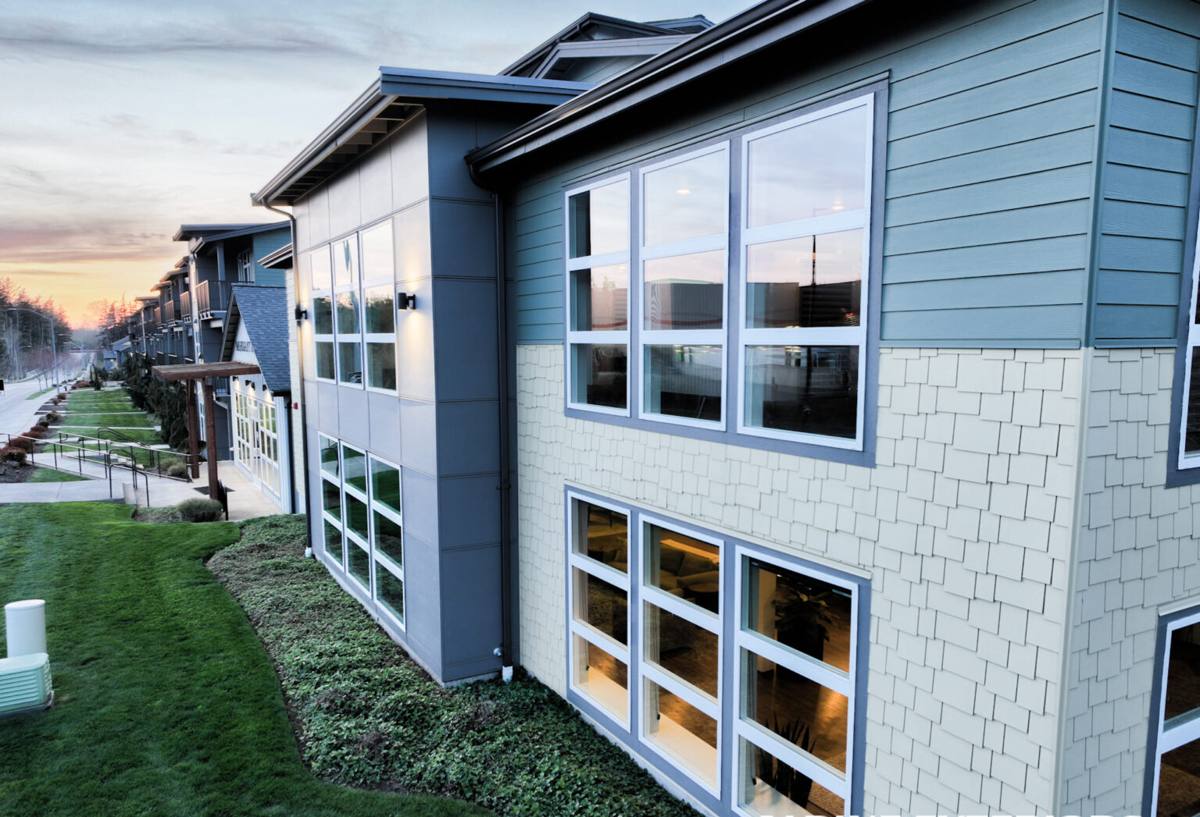
What Pinellas County's Climate Does to Windows Over Time
Heat and UV Exposure
Clearwater sees strong, direct sun essentially year-round. That UV load breaks down window seals, degrades vinyl frames that aren't rated for high-UV climates, and causes single-pane or older double-pane glass to let in far more heat than it should. Homeowners usually notice this as rooms that never quite cool down, an AC system that runs constantly, and a west- or south-facing room that's noticeably hotter than the rest of the house.
Wind-Driven Rain and Storm Pressure
Florida rain rarely falls straight down. During tropical storms and the seasonal downpours that hit the Gulf Coast, rain is driven sideways under pressure, and that's when weak flashing, old caulking, and worn weep systems fail. A window can look fine in dry weather and still leak badly the moment wind pressure pushes water past its seals. Hurricane-force wind events add a second layer of stress — the pressure cycling on a window during a storm can loosen a marginal installation even if the glass itself holds.
Salt Air Corrosion
Being close to the coast means airborne salt settles on everything, including window hardware, screen frames, and metal components. Salt air accelerates corrosion on lower-grade hinges, cranks, and locks, and it can pit aluminum frames that aren't finished for coastal use. This is a slower, quieter form of damage than storm leaks, but it's just as real, and it's a big part of why we don't treat every window product as interchangeable in this market.
What "Energy-Efficient" Actually Means for a Florida Window
"Energy-efficient" gets used loosely in this industry, so it's worth being specific about what actually matters for a home in this climate.
The Glass Package
The single biggest factor in a window's real-world performance in Florida isn't the frame, it's the glass. Look for low-E (low-emissivity) coatings, which reflect infrared heat while still letting visible light through, and insulated (dual-pane) glass with an inert gas fill between the panes. In a hot, humid climate, the low-E coating and the Solar Heat Gain Coefficient (SHGC) rating matter more than they would in a cooler climate, because the main job of the window here is keeping outside heat from getting in, not keeping inside heat from getting out.
Frame Material and Construction
Vinyl, fiberglass, and aluminum frames all perform differently in heat and salt air. Vinyl needs to be a UV-stabilized formulation or it will warp and discolor under constant sun. Fiberglass handles heat expansion and contraction well and holds paint longer. Aluminum is strong and often used in impact-rated systems, but it conducts heat unless it has a proper thermal break, and it needs a marine-grade or coastal finish near the water to resist corrosion. We select frame material based on the specific window opening, sun exposure, and whether the home is close enough to open water for salt exposure to be a real concern.
Impact Rating and Energy Efficiency Aren't the Same Thing
This is a common point of confusion. Impact-rated windows are built to resist wind-borne debris and pressure changes during a storm; energy efficiency is about the glass and frame's thermal performance. A window can be impact-rated without being especially energy-efficient, and vice versa. In Pinellas County, we generally recommend homeowners look for both in the same unit — modern impact-rated windows with a good low-E glass package deliver storm protection and lower cooling bills together, which is usually the better long-term value than treating them as separate upgrades.
Signs Your Del Oro Home's Windows Are Underperforming
- AC runs frequently even when the thermostat setting hasn't changed
- Noticeable heat radiating off the glass or nearby wall when you stand close to a window in the afternoon
- Condensation forming between the panes of a double-pane window (a sign the seal has failed)
- Windows that are difficult to open, close, or lock — often a sign of frame warping
- Visible corrosion, pitting, or stiffness in cranks, hinges, or locks
- Soft drywall, staining, or a musty smell near a window frame after heavy rain
- Street noise or HVAC hum that seems louder than it should be for a closed window
- Fading fabric, flooring, or furniture near south- or west-facing windows
Any one of these on its own isn't necessarily an emergency, but a few of them together usually mean the window system as a whole is due for replacement rather than another round of caulk and weatherstripping.
What a Correct Installation Actually Involves
Energy-efficient windows only perform as well as their installation. A premium window set into an opening with bad flashing will leak and lose efficiency just as fast as a cheap one. Here's what we consider non-negotiable on every job.
Removal and Opening Prep
Old windows and their surrounding trim come out carefully so we can inspect the rough opening underneath. This is where hidden problems — rot, old water staining, insect damage — show up, and it's much cheaper to address them during a window job than to discover them later after they've spread.
Flashing and Moisture Management
This is the step that determines whether a window leaks during the next wind-driven rain event. Proper flashing tape and sill pans direct any water that does get past the window back out and away from the framing, rather than letting it pool inside the wall. In a climate with as much wind-driven rain as ours, this step matters more than the window brand.
Sealing and Insulation
The gap between the window frame and the rough opening gets insulated and sealed with appropriate materials — not just caulk around the visible trim. A window that's air-sealed properly around its entire perimeter is what actually delivers the energy savings the glass package promises.
Permits and Code Compliance
Window replacement in Pinellas County is subject to local building code and, depending on the scope, may require permitting and inspection, particularly for impact-rated or structural replacements. We handle that process as part of the job so homeowners aren't left tracking down permits themselves.
Comparing Window Approaches for a Del Oro Home
| Approach | Storm Protection | Energy Performance | Best Fit |
|---|---|---|---|
| Standard double-pane, non-impact | Low unless paired with separate shutters | Good with low-E glass | Interior or wind-sheltered openings, budget-conscious phased upgrades |
| Impact-rated, laminated glass | High — resists debris and pressure cycling | Good to excellent depending on glass package | Homes wanting one system to cover both storm and efficiency needs |
| Aluminum frame, thermally broken | High when impact-rated | Moderate to good, depends on thermal break quality | Larger openings, sliders, and coastal-facing walls needing strength |
| Vinyl frame, UV-stabilized | Varies by product line | Very good insulating value | Standard replacement windows in most home styles |
There's no single "best" option across every home — the right choice depends on the window's orientation, how exposed it is to wind and salt, and the homeowner's priorities around storm protection versus budget. We walk through these trade-offs opening by opening during the estimate rather than recommending one product line for the whole house by default.
How Our Process Works
- On-site assessment — we look at each window opening individually, note sun exposure, current condition, and any signs of moisture intrusion.
- Product recommendation — we walk through glass, frame, and impact-rating options suited to that specific opening and the home's overall exposure.
- Written estimate — a clear scope and price before any work begins, no pressure to decide on the spot.
- Permitting — handled on our end where required by Pinellas County code.
- Removal and prep — old units removed, rough openings inspected and repaired if needed.
- Installation — proper flashing, insulation, and air-sealing at every opening, not just the visible trim work.
- Final inspection and walk-through — we confirm proper operation, sealing, and code sign-off before calling the job done.
What Drives Cost on a Window Job
Every home is different, but the main factors that move price up or down are consistent enough to plan around:
| Factor | Why It Matters |
|---|---|
| Impact rating | Laminated impact glass and reinforced frames cost more than standard units but reduce or eliminate the need for separate storm shutters |
| Window size and count | Larger openings and whole-house replacement change both material and labor scope |
| Frame material | Vinyl, fiberglass, and aluminum carry different material costs and different long-term maintenance needs |
| Opening condition | Rot or moisture damage found during removal adds repair work before a new window can be installed correctly |
| Access and second-story work | Upper-floor windows and difficult access points affect labor time |
We give an honest range up front based on what we see during the assessment, and we flag anything that could change the price — like opening damage — before we proceed, not after.
Maintaining Energy-Efficient Windows in a Coastal Climate
Even a well-installed window benefits from basic upkeep in this environment. Rinsing frames and hardware periodically helps reduce salt buildup, especially on homes closer to open water. Checking weep holes to make sure they're clear keeps the drainage system doing its job during heavy rain. And keeping an eye on caulking around trim — not the structural flashing, just the cosmetic seal — lets small gaps get addressed before UV and weather widen them. None of this is demanding, but it does extend the life of the investment.
Why Local Experience in This Area Matters
A crew that regularly works in Clearwater and the surrounding Pinellas County neighborhoods, including Del Oro, has a working knowledge of how homes in this area are built, what the local permitting process actually requires, and how differently a window opening behaves depending on whether it faces open water, a street, or a sheltered yard. That's not something a crew based elsewhere picks up on their first job here. It shows up in small decisions — which flashing detail to prioritize, which frame finish holds up best a few blocks from the water versus further inland, how to sequence a job around our rainy season — that add up to a window system that performs the way it's supposed to for years, not just on install day.
If your Del Oro home has windows that are underperforming, showing early wear, or you're planning ahead of storm season, we're happy to take a look and put together a straightforward estimate. No pressure, no hard sell — just an honest read on what your windows need. Use the form below to request your free estimate.