 Clearwater Siding
 Board & Batten Siding in Countryside
Countryside is one of Clearwater's larger established residential areas, with a wide mix of ranch homes, two-story houses, and everything in between built up over several decades of Pinellas County growth. Board and batten siding has become a popular choice here, whether homeowners are using it as a full exterior treatment, an accent on a gable end or dormer, or a way to modernize a front elevation without a full home rebuild. The vertical lines and clean shadow pattern give a house a farmhouse or craftsman look that stands out from the lap siding on most surrounding streets.
What most homeowners don't think about until later is that board and batten is a different animal from standard horizontal lap siding, both in how it's built and in how it holds up to Gulf Coast weather. Done right, it looks sharp for decades. Done wrong — wrong materials, wrong fastening, wrong moisture management — it's one of the faster-failing siding styles on the market. This page covers what actually matters for a board and batten install on a Countryside home.
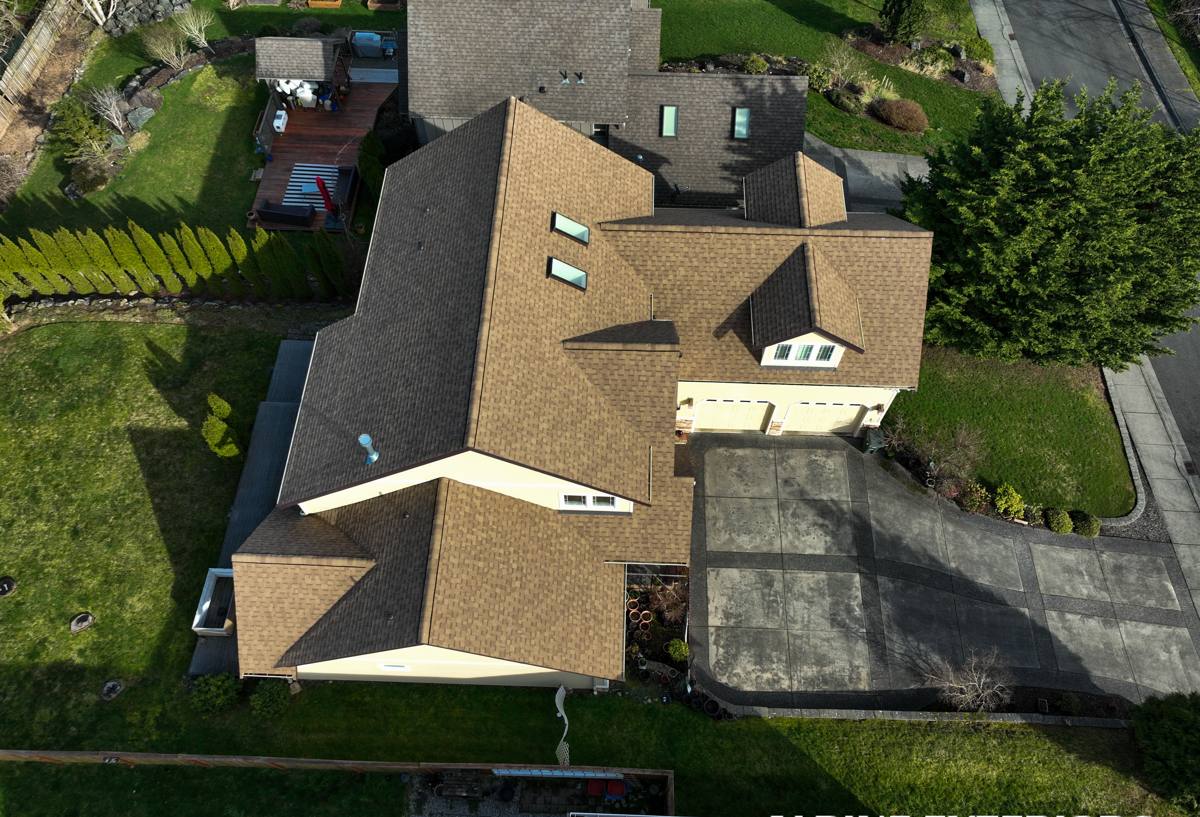
What Board and Batten Siding Actually Is
Board and batten is a two-layer system, not a single panel type. Wide vertical boards (or panels) are installed first, and narrower strips called battens are installed over the seams between them. The result is a rhythmic vertical pattern with a distinct shadow line at every batten.
- Vertical panels: the wide base layer, run from the water table or foundation line up to the soffit or gable peak.
- Battens: the narrower trim strips that cover each seam, spaced evenly across the elevation.
- Flashing and starter strips: the parts nobody sees once the job is done, but the parts that decide whether the wall behind the siding stays dry for the next 30 years.
Because the seams run vertically instead of overlapping horizontally like lap siding, water doesn't naturally shed off a seam the way it does off a lapped edge. That single difference is why board and batten needs a more disciplined moisture-management approach behind the panels than a standard lap job — a point we'll come back to.
What Clearwater's Climate Demands From This Style
Countryside sits inland from the immediate coastline, but it's still fully inside the same Gulf Coast weather system that defines siding performance across Pinellas County. Four things drive how we detail a board and batten job here:
Wind-driven rain
Florida storms rarely deliver rain straight down. Tropical systems and afternoon squalls push rain sideways, and vertical siding seams are more exposed to that horizontal force than horizontal lap seams. Every seam, every batten, and every panel joint has to be sealed and flashed with that in mind.
Hurricane-force wind loads
Pinellas County's wind zone requirements exist because of real storm history. Board and batten panels present a large flat surface, and fastening schedules — nail type, spacing, and embedment — have to meet code for wind uplift, not just look tidy from the ground.
Intense, near-constant UV
Central Florida sun is harder on exterior materials than most of the country experiences. Field-applied paint on wood or fiber cement chalks, fades, and cracks faster here than in milder climates, which is a big part of why finish quality matters as much as the substrate itself.
Humidity and salt-influenced air
Even away from the immediate waterfront, Pinellas County's humidity and Gulf-influenced air accelerate corrosion on the wrong fasteners and slowly break down materials that aren't built to handle sustained moisture exposure. It's a factor in every siding decision made in this county, board and batten included.
Why We Only Install James Hardie for Board and Batten
Board and batten is available in several materials, and it's worth understanding the trade-offs, because this is a style where the material choice matters more than usual — those vertical seams and large flat panel faces punish weak substrates faster than a standard lap profile does.
Vinyl board and batten panels
Vinyl board and batten looks the part from the street and costs less up front. But vinyl is a thin, flexible plastic that expands and contracts significantly with Florida's heat swings, and in a hurricane-prone wind zone it's more vulnerable to cracking, warping, and wind uplift at the panel edges than a rigid material. It also can't be painted a darker color without risking heat-related warping, which limits the modern farmhouse color palettes homeowners usually want with this style.
LP SmartSide and engineered wood panels
Engineered wood board and batten has a genuine wood-grain texture that some homeowners prefer. The trade-off is that it's still a wood-based product, and wood-based products are more sensitive to sustained moisture exposure at cut edges and seams — exactly the areas that take the brunt of wind-driven rain in a board and batten layout. It requires strict edge-sealing discipline to hold up long term.
Primed spruce or cedar boards
Real wood board and batten is the traditional, most authentic-looking option, and we understand the appeal. But solid wood in a humid, high-UV, storm-exposed climate needs an ongoing maintenance commitment — repainting, caulking, and moisture checks — that most homeowners don't want to sign up for indefinitely.
Why we standardized on James Hardie
James Hardie's fiber cement panels and Artisan board and batten lines are engineered specifically for climates like ours — non-combustible, dimensionally stable across heat and humidity swings, and available with a factory-applied ColorPlus finish that's baked on and warranted against fading and cracking, rather than relying on a field-applied paint job to survive Florida sun. It's a rigid, heavy material that holds fasteners and wind loads the way vinyl and thin wood panels can't, and it comes with a strong transferable warranty. That combination is why it's the only board and batten material we put on homes.
What a Correct Board and Batten Install Involves
The finished look is the easy part to judge. The parts that determine whether the siding lasts are mostly invisible once the job is done.
- A properly lapped and taped weather-resistive barrier behind every panel, with attention to how water is directed down and out at the base.
- Correct panel gaps and sealant joints sized for Florida's expansion and contraction range — not caulked tight edge-to-edge, which traps moisture and cracks the seal.
- Flashing at every horizontal transition: window and door heads, roof lines, and the base of the wall.
- A fastening pattern for both panels and battens that meets Pinellas County's wind-load requirements, using corrosion-resistant fasteners suited to humid, salt-influenced air.
- Battens set with consistent, correctly calculated spacing so the finished elevation reads as intentional, not improvised around obstacles like outlets, vents, and fixtures.
- Careful integration at penetrations — hose bibs, light fixtures, vents — where a flat vertical panel makes sloppy trim work more visible than it would be on lap siding.
Board and Batten Material Comparison
| Material | Look | Wind/storm durability | UV/color stability | Long-term maintenance |
|---|---|---|---|---|
| Vinyl board and batten | Good from a distance | More prone to cracking, warping, wind uplift | Fades over time; dark colors risk warping | Low upkeep, shorter realistic lifespan |
| Engineered wood panels | Authentic wood grain | Moderate; sensitive at cut edges/seams | Fair with maintained finish | Requires diligent edge sealing |
| Primed spruce/cedar | Most authentic | Weakest in sustained wind-driven rain | Needs repainting on a regular cycle | Highest ongoing maintenance |
| James Hardie fiber cement | Crisp, authentic shadow lines | Rigid, engineered for high-wind climates | Factory ColorPlus finish, warranted | Lowest ongoing maintenance |
Our Process for a Countryside Board and Batten Project
Whether it's a full-house install or an accent application on a gable and entryway, the process follows the same disciplined order:
- On-site evaluation: we look at the existing wall assembly, moisture history, and what the finished layout needs to work with — window and door placement, roof lines, existing trim.
- Removal and substrate check: old siding comes off and we inspect the sheathing underneath for any hidden rot or moisture damage before anything new goes up.
- Weather-resistive barrier: a new, properly lapped moisture barrier goes on, with flashing detailed at every penetration and transition.
- Panel installation: vertical panels are set with correct gapping and fastened to Pinellas County wind-load specifications.
- Batten installation: battens are laid out and spaced deliberately across the elevation, then fastened through to framing, not just into the panel face.
- Trim, sealant, and final detailing: corners, penetrations, and transitions get finished, sealant is applied at expansion joints, not solid seams.
- Walkthrough and cleanup: we go over the finished elevation with the homeowner before calling the job complete.
What to Check Before Hiring for a Board and Batten Job
Board and batten is more forgiving of shortcuts in appearance than in performance — a bad seal or wrong fastener won't show up until the next storm season or two. Before hiring anyone for this specific style, ask:
- Have they installed board and batten specifically, not just lap siding, in this county?
- Can they explain how they'll manage the weather-resistive barrier and flashing behind vertical panels?
- What fastening schedule will they use, and does it meet local wind-load requirements?
- Is the material factory-finished, or will it need field paint that has to survive Florida UV on its own?
- What does the manufacturer's warranty actually cover, and is it transferable if the home sells?
Why a Crew That Already Works in Countryside Matters
Board and batten done wrong is expensive to find out about later — moisture problems behind vertical siding often stay hidden until the sheathing underneath is already compromised. A crew that regularly works in Countryside and the surrounding Clearwater area already knows the wind zone requirements that apply to this part of Pinellas County, has handled the humidity and salt-air conditions that affect fastener and sealant choices here, and has a feel for the architectural mix of homes in this neighborhood — so the finished proportions and batten spacing actually look right on the house, not just on paper. That local experience shows up in the details that separate a board and batten job that lasts from one that doesn't.
If you're considering board and batten siding for your Countryside home, we're happy to take a look and walk you through what it would involve for your specific house — no pressure, no obligation. Request a free estimate below and we'll get you straight answers.