 Clearwater Siding
 Roof Repair Built for a Barrier Island Climate
Clearwater Beach sits on a narrow strip of sand between the Gulf of Mexico and Clearwater Harbor, and that location changes what a roof has to survive. Homes and condos here take a steadier beating than roofs even a few miles inland in Pinellas County. Salt-laden air corrodes fasteners and flashing faster, the sun is more intense with reflected glare off the water, and wind-driven rain gets pushed sideways into laps and seams that would stay dry in a normal storm. A roof repair out here isn't just patching a leak — it's addressing the specific ways coastal exposure attacks a roof system.
We work on Clearwater Beach regularly, which means we're not guessing at what barrier island roofs need. We see the same failure patterns — corroded nail heads, lifted shingle tabs from onshore wind, flashing that's pulled away from stucco or block walls — often enough to know what to check first and what a lasting fix actually requires.
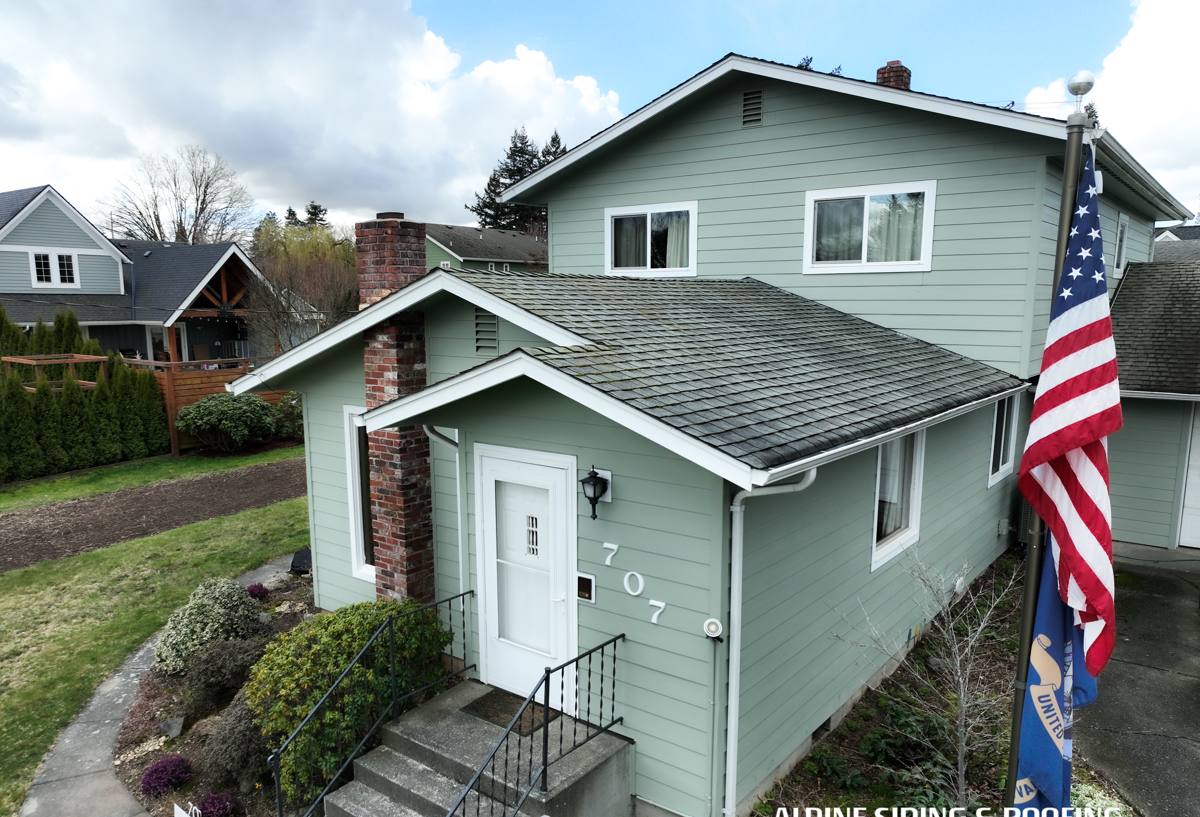
Why Roofs Fail Faster This Close to the Gulf
Salt Air and Corrosion
Airborne salt doesn't just sit on the surface — it works into metal fasteners, flashing, and drip edge, accelerating rust and corrosion well ahead of the roof's expected service life. A galvanized nail that would last decades inland can start weeping rust stains within a few years on the beach. Once fasteners weaken, shingles and metal panels lose their grip in wind, which is exactly when you don't want a loose roof.
UV Exposure
Florida sun is hard on roofing anywhere in the state, but reflected sunlight off open water adds to the UV load on beachfront homes. Over time, UV breaks down the asphalt oils in shingles, making them brittle, and it degrades sealant and caulking around penetrations faster than manufacturers' warranties usually assume for non-coastal installs.
Wind-Driven Rain
Standard shingle installation assumes rain falls mostly straight down. On Clearwater Beach, storm winds regularly push rain sideways and even upward under eaves and into ridge vents. That's why proper flashing, underlayment laps, and sealed penetrations matter more here than in a typical inland install — water finds the gaps that wouldn't matter elsewhere.
Hurricane-Force Wind Events
Even outside a direct hurricane hit, Pinellas County sees tropical storm winds and strong seasonal squalls that stress roof edges, ridge caps, and any area where flashing or shingles were already marginal. A roof that's been quietly weakening from salt and UV exposure is the one most likely to lose shingles or open a seam when a wind event finally tests it.
Signs a Clearwater Beach Roof Needs Repair
Some damage is obvious from the ground; some isn't visible until you're up close. Homeowners on the beach should check for these more often than the typical Florida homeowner, simply because conditions here move faster.
- Curling, cupping, or cracked shingle tabs, especially on the side of the roof facing the Gulf
- Rust streaks running down from nail heads, flashing, or metal roof panels
- Granules collecting in gutters or at downspout outlets, a sign of accelerating shingle wear
- Soft spots, staining, or discoloration on interior ceilings, especially after a storm
- Lifted or missing shingles after any wind event, even a minor one
- Cracked or shrinking sealant around vents, skylights, and chimney flashing
- Visible daylight through the attic decking at seams or penetrations
- Ponding water on low-slope or flat sections that doesn't drain within a day
If you notice more than one of these, it's worth having someone look before the next storm rather than after.
What a Correct Roof Repair Actually Involves
A repair that just covers the visible damage often leaves the underlying cause untouched, which is why the same leak reappears a season later. We treat every repair call as a diagnostic job first, not just a patch job.
1. Find the Real Source
Water travels. A stain on a ceiling might be several feet from where water is actually entering the roof. We trace the path — checking flashing, underlayment laps, vent boots, and fastener patterns — before deciding what to fix.
2. Assess the Surrounding Material
Salt and UV exposure rarely damage just one shingle. If the shingles around a failure point are brittle or the granule loss is significant, patching a single spot with new material creates a visible and functional mismatch. We tell you honestly if the surrounding area needs to be included in the repair.
3. Address Fasteners and Flashing, Not Just Shingles
On the coast, corroded nails and degraded flashing are frequently the actual cause of a leak, even when a shingle looks intact. A repair that replaces the shingle but reuses corroded fasteners or old flashing is a short-term fix.
4. Reseal Penetrations Properly
Vent boots, pipe collars, and chimney flashing are common failure points because their sealant degrades faster under coastal UV exposure than the surrounding shingles do. These get inspected and resealed with materials rated for sustained sun and salt exposure, not general-purpose caulk.
5. Match Materials Where Possible
We match shingle color, profile, and where possible manufacturer when patching a section of an existing roof, so the repair blends in rather than standing out as an obvious patch.
Repair Types We Handle on Clearwater Beach Homes
| Repair Type | Typical Cause on the Beach | What's Involved |
|---|---|---|
| Shingle replacement (localized) | Wind lift, granule loss, cracked tabs | Remove damaged shingles, check decking and underlayment, install matched shingles and fasteners |
| Flashing repair | Salt corrosion, thermal movement, poor original install | Remove and replace flashing at valleys, walls, chimneys, or skylights with corrosion-resistant material |
| Vent boot / penetration reseal | UV-degraded rubber or sealant | Replace boot or reseal with coastal-rated sealant |
| Ridge cap repair | Wind uplift at the roof's highest exposure point | Re-secure or replace ridge shingles and check ridge vent seal |
| Fastener correction | Rusted or backed-out nails | Remove corroded fasteners, replace with coastal-grade nails, reseal |
| Deck repair | Long-term moisture intrusion | Cut out and replace water-damaged decking before re-covering |
Repair or Replace? How We Make That Call
Not every roof issue on Clearwater Beach needs a full replacement, and we're not going to tell you it does when a targeted repair will hold. At the same time, coastal roofs age faster than inland ones, so there's a point where repeated patching stops making financial sense. We look at a few honest factors:
| Factor | Leans Toward Repair | Leans Toward Replacement |
|---|---|---|
| Roof age | Under 10-12 years | Approaching or past expected lifespan for coastal exposure |
| Damage extent | Isolated to one area or system | Widespread granule loss, brittleness, or multiple leak points |
| Repair history | First or infrequent repair | Recurring leaks in different spots each season |
| Decking condition | Solid, dry decking under the damaged area | Soft, delaminated, or repeatedly wet decking |
| Insurance timing | N/A | Storm damage claim covers a full section or slope |
We'll always give you the repair option first if it's a sound one. If replacement genuinely makes more sense, we'll explain exactly why in plain terms — not push it as an upsell.
Our Process for Clearwater Beach Repairs
- Inspection. We walk the roof (or use a lift/drone where pitch or access requires it) and check attic-side conditions where possible, not just the surface.
- Honest diagnosis. We explain what's actually failing and why, including whether coastal exposure is accelerating the problem beyond what you'd expect inland.
- Written scope and estimate. You get a clear description of the work and a price before anything starts — no surprise add-ons mid-job.
- Repair. We complete the work with materials suited for coastal exposure, not whatever's cheapest or fastest to source.
- Final check. We verify the repair holds under close inspection, including flashing laps and fastener seating, before we consider the job done.
Materials That Hold Up on the Beach
Material choice matters more here than in most inland Pinellas County neighborhoods. We favor corrosion-resistant fasteners (stainless or coated for coastal use), flashing metals that resist salt attack better than uncoated galvanized steel, and sealants rated for sustained UV and moisture exposure rather than general-purpose products. It costs a bit more up front than using standard hardware, but it's the difference between a repair that lasts and one you're calling us back about in two years. We'll always tell you which materials we're using and why, especially if there's a cost trade-off involved.
Maintenance That Extends the Life of a Repair
A good repair lasts longer with a little basic upkeep between service calls, particularly on a barrier island roof:
- Rinse accumulated salt residue off the roof surface periodically, especially after long dry spells
- Keep gutters and downspouts clear so water doesn't back up under shingle edges
- Trim back overhanging vegetation that holds moisture against the roof surface
- After any significant wind event, do a visual check from the ground for lifted or missing shingles
- Have penetrations (vents, skylights, chimney flashing) checked annually since their sealant fails before the shingles do
Why Local Experience on Clearwater Beach Matters
A contractor who mostly works inland Pinellas County or Tampa neighborhoods isn't wrong about roofing in general, but they may not default to coastal-grade fasteners, may underestimate how fast UV and salt exposure ages materials here, or may not be used to the access and permitting realities of barrier island properties. Working this stretch of coastline regularly means we know what actually fails first out here, what building department expectations look like for beachfront repairs, and how to schedule around the wind and storm patterns that affect timing. That's not a marketing line — it's the practical reason a repair done by a crew unfamiliar with coastal conditions sometimes doesn't last as long as it should.
Get an Honest Look at Your Roof
If you're dealing with a leak, storm damage, or just want a professional opinion on a roof that's showing its age on Clearwater Beach, we're glad to take a look. We'll give you a straightforward assessment, a clear estimate, and an honest recommendation — repair or replacement — with no pressure either way. Use the form below to request a free estimate.