 Clearwater Siding
 Belleair Bluffs Decks Face a Different Kind of Wear
Belleair Bluffs is a small community tucked along the Intracoastal side of the greater Clearwater area in Pinellas County, and decks here age differently than they do a few miles inland. The combination of salt-laden air, near-constant UV exposure, and wind-driven rain off Gulf storms works on a deck from several directions at once. Salt air accelerates corrosion in anything metal. UV breaks down wood fibers and finishes faster than most manufacturers' product literature accounts for. And wind-driven rain gets pushed sideways under railings and through gaps that a straight-down rainstorm would never reach.
None of that means a deck in Belleair Bluffs is doomed to fail early. It means the repair has to account for that exposure specifically, instead of treating every deck the same way a crew working forty miles inland would.
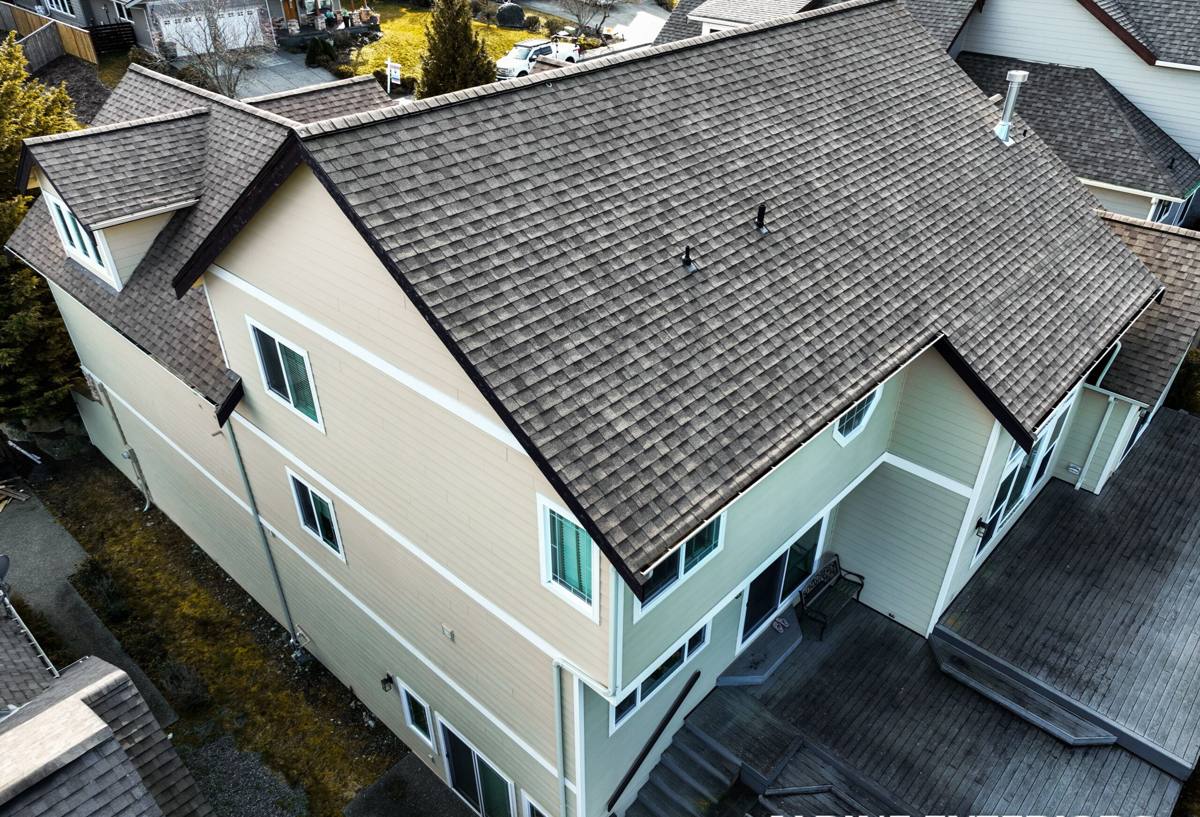
Signs Your Deck Needs Repair, Not Just a Fresh Coat of Stain
A lot of deck problems in this climate hide in plain sight for a while. The wood can still look presentable while the framing underneath is already compromised. Here's what we tell homeowners to actually check for, not just glance at:
- Soft, spongy, or springy spots when you walk across the boards, especially near the house or stair landing
- Rust streaks bleeding out from screw or nail heads onto the board surface
- Boards cupping, splitting along the grain, or pulling loose from their fasteners
- Any wobble or give in the railing when you lean on it, or movement in the stair stringers
- Gaps, dark staining, or separation where the ledger board meets the house wall
- Visible rot, insect damage, or moisture staining at the base of support posts
- Fasteners that are visibly corroded, backed out, or missing entirely
Any one of these on its own might just need a targeted fix. Several at once usually points to a moisture or structural problem that's been building for a while.
What a Correct Deck Repair Actually Involves
Start With the Framing, Not the Surface
The decking boards are the part everyone notices, but they're rarely the part that matters most. A proper repair starts underneath — checking the ledger board attachment to the house, the condition of the joists, the posts, and the footings. A deck can have brand-new boards on top and still be unsafe if the framing under it is rotted or undersized. We check structure first and cosmetics second, every time, because doing it in the other order just hides a problem under fresh lumber.
Fasteners and Hardware Built for This Air
Standard galvanized fasteners hold up fine in a lot of the country. Close to Tampa Bay and the Intracoastal, they corrode faster, and once a fastener starts rusting from the inside, it loses grip strength long before it looks obviously bad. For repairs in this area we use hot-dip galvanized or stainless-steel fasteners and hardware rated for coastal exposure — joist hangers, post bases, structural screws, and railing hardware included, not just the visible decking screws. It costs a little more up front. It's also the difference between a repair that lasts and one you're revisiting in three years.
Flashing and Water Management
Most of the serious rot we find starts at two places: the ledger board where the deck meets the house, and the top of support posts where water sits after a storm. Correct flashing at the ledger keeps wind-driven rain from tracking behind the board and into the house framing — and this is the single most common thing we find missing or failed on older decks in this area. Post caps, proper drainage gaps between boards, and grading that moves water away from post footings all matter more here than they would somewhere with a drier, calmer climate.
Repair, Reinforce, or Rebuild?
Not every deck problem calls for the same level of work, and an honest contractor should be able to explain why a given deck falls into one category versus another instead of defaulting to the most expensive option. Broadly, repairs fall into three tiers:
| Situation | Typical Scope | What It Buys You |
|---|---|---|
| Isolated board or railing damage, framing is sound | Spot replacement of boards, balusters, or stair treads; fastener upgrade where needed | Restores safety and appearance without disturbing the structure |
| Ledger, select joists, or one or two posts showing rot or corrosion | Targeted framing repair — sistered joists, post replacement, ledger reflashing | Fixes the actual cause instead of just the symptom |
| Widespread rot, undersized original framing, or a history of repeated repairs | Full or near-full rebuild to current code | Resets the clock with correct materials, spacing, and hardware from the ground up |
We'll tell you plainly which tier your deck falls into, and if a deck is borderline, we'll walk you through the tradeoffs rather than making the call for you.
Materials: What Holds Up Here and What We're Careful With
Pressure-treated pine is still the most common decking and framing material in this area, and it performs well when it's properly fastened, flashed, and finished — and re-finished on a regular schedule, since UV and salt air shorten the life of any exterior coating. Composite decking has become popular for good reason: no staining, better resistance to UV fading in the better product lines, and no splintering underfoot. It's not maintenance-free, though. Composite still needs proper ventilation underneath, correctly spaced fasteners rated for the specific product, and framing that's built to the manufacturer's span requirements — composite is less forgiving of an out-of-spec substructure than solid wood is.
For framing and structural hardware, we don't cut corners with standard-grade coated fasteners in this environment, even though they cost less. We've seen too many repairs come back sooner than they should have because corrosion-resistant hardware was skipped to save a small amount up front. That's a standard we hold to on every job, not a sales pitch for a particular brand.
Permits and Local Code Matter Here
Structural deck repair — anything touching framing, footings, or the ledger connection — typically requires a permit through the local building department, and Pinellas County jurisdictions inspect wind-load connections and railing height and spacing closely, for good reason given the storm exposure in this part of Florida. Skipping the permit on structural work isn't just a paperwork risk; it can leave you without recourse if something fails later, and it can complicate a home sale down the line. We handle the permitting on structural repairs as part of the job rather than leaving homeowners to sort it out.
Timing Repairs Around Hurricane Season
Pinellas County sees its highest storm risk from June through November, and that timing matters for deck repair more than most homeowners realize. A railing with loose posts or a stair stringer with hidden rot isn't just a tripping hazard on a normal day — in sustained wind it's a structural weak point, and a deck surface that's already lifting or cupped gives storm wind something to catch under. Getting repairs done before the season is in full swing, rather than after storm damage has already made a marginal problem worse, is the more cost-effective order of operations. It's also simply easier to schedule and inspect work in calmer months than to compete for a contractor's time after a storm has come through and damaged decks across the whole area at once.
How We Handle a Belleair Bluffs Deck Repair
- On-site inspection of the full structure — decking, framing, ledger, posts, footings, and railings — not just the parts that look worn
- A clear, written scope that separates cosmetic work from structural work, so you know exactly what you're paying for and why
- Material and hardware selection matched to this climate, not generic inland specs
- Permitting handled for us on any structural repair before work begins
- Repair work performed with attention to proper flashing, fastening, and drainage — the details that determine whether a repair lasts
- A final walkthrough so you can see exactly what was done and why
Once a repair is done, a little upkeep keeps you from needing another one ahead of schedule. Rinse salt residue off the deck surface periodically, especially after dry stretches followed by rain, since salt buildup accelerates both wood breakdown and fastener corrosion. Keep an eye on the underside of the deck once or twice a year, not just the walking surface — that's where rot and corrosion usually start and where it's cheapest to catch early. And if you're due for a re-stain or re-seal on a wood deck, don't stretch that schedule out in this climate; UV and humidity here are harder on finishes than the can's label usually assumes.
Why a Crew That Already Works Belleair Bluffs Matters
A contractor who works this specific stretch of Pinellas County regularly knows how much faster salt air corrodes hardware the closer a home sits to the water, how the local building department reviews deck permits, and what kind of wind exposure a given lot actually sees. That's different from general Florida deck experience. It means fewer surprises during inspection, fewer callbacks for problems that should have been caught the first time, and a repair scoped correctly from the start instead of adjusted mid-project once the real conditions show up under the old boards.
It also means accountability. A crew that plans to keep working in Belleair Bluffs has every reason to do the job right the first time and stand behind it, rather than treating a repair as a one-off.
If your deck is showing any of the signs above, or you just want an honest read on whether it needs a repair or a rebuild, we're happy to take a look. Fill out the form below for a free, no-pressure estimate — we'll tell you what we actually find, not just what's easiest to sell.