 Clearwater Siding
 Window Replacement Built for an Island Estates Address
Homes on Island Estates sit closer to open water than almost anywhere else in Clearwater, and that changes what a window replacement job actually needs to accomplish. This isn't a neighborhood where you can install a window the way you would ten miles inland and expect the same lifespan. The wind exposure is higher, the salt content in the air is higher, and the sun is relentless nearly every day of the year. A window package that's "fine" in a sheltered subdivision can fail early here — fogged glass, corroded hardware, water intrusion around the frame — simply because the environment works harder on it.
We work on Island Estates regularly, which means we're not guessing at what these homes need. We know the general age and construction style of housing stock in this part of Pinellas County, we know what causeway-adjacent, near-water exposure does to building materials over a decade or two, and we build our window replacement process around that reality rather than a one-size-fits-all install.
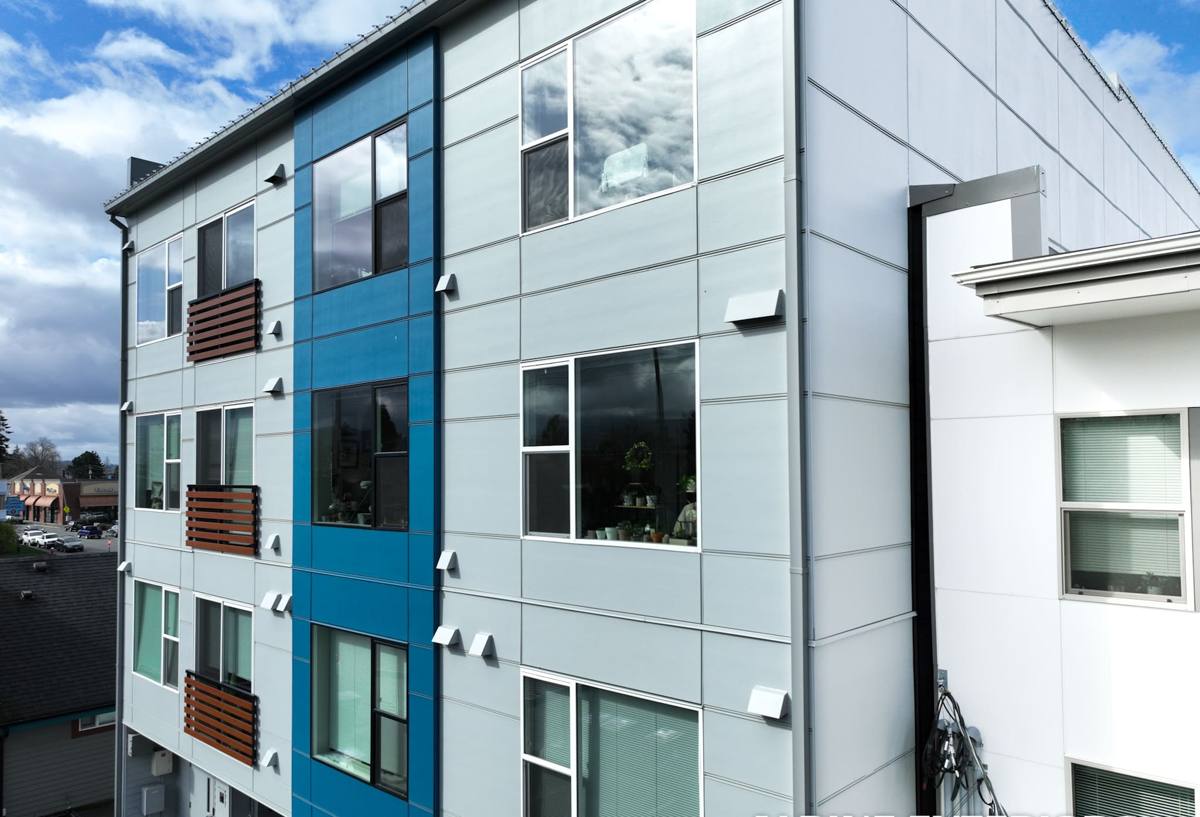
What Clearwater's Climate Does to Windows Over Time
Every window on an island property is fighting four things at once, year-round:
- Intense, near-daily UV exposure — breaks down vinyl frames, window seals, and glazing compounds faster than in northern climates, leading to brittleness and premature seal failure.
- Salt-laden air — accelerates corrosion on hardware, hinges, balance systems, and any exposed metal fasteners, especially on the sides of a home facing open water.
- Wind-driven rain — even in ordinary storms, not just hurricanes, rain here is frequently pushed horizontally into wall assemblies. A window's water-management details matter more than its brand name.
- Hurricane-force wind loads — the entire opening, not just the glass, has to be engineered and installed to resist pressure and windborne debris.
Individually, none of these is exotic. Together, over 15-20 years of Florida sun and storm seasons, they're why so many older single-pane or poorly installed windows in this area show failure symptoms well before their expected lifespan: cloudy glass from failed seals, frames that have gone soft or chalky, and sashes that no longer close flush.
Signs Your Windows Are Losing the Fight
Homeowners usually notice one or more of these before they call anyone:
- Fogging or a permanent haze between panes of double-glazed units (a failed seal, not something that cleans off)
- Visible daylight or a draft around the frame when the window is closed and locked
- Difficulty opening, closing, or locking — often from a warped frame or corroded hardware
- Soft or discolored drywall, trim, or sill area below or beside the window (a sign of water intrusion, not just cosmetic wear)
- Noticeably higher cooling bills in a home that hasn't changed its HVAC setup
What a Correct Window Replacement Actually Involves
The glass and frame you pick matter, but most window failures we're called out to fix trace back to installation, not product. A correct replacement on a coastal property includes:
Before the New Window Goes In
We remove the old unit and inspect the rough opening — the framing, sheathing, and any existing flashing — for hidden water damage. This is the step that gets skipped when a job is rushed, and it's the one that determines whether the new window lasts. If we find soft wood or compromised framing, that gets addressed before anything new goes in; installing a new window into a damaged opening just hides the problem for another few years.
During Installation
Proper flashing and sealant details — set up so water is directed out and away from the wall assembly, not trapped behind the window — are non-negotiable in a wind-driven-rain environment. Shimming has to level and square the unit without distorting the frame, and fastening has to follow a schedule that matches the window's tested and approved wind rating, not just "enough screws to hold it."
After Installation
Interior and exterior finish work, a final operational check on every window (open, close, lock), and a walkthrough with the homeowner so nothing gets missed. A window replacement isn't done when the glass is in — it's done when the opening is fully sealed, finished, and working correctly.
Impact-Rated Windows and What Pinellas County Expects
Clearwater sits within Florida's wind-borne debris region, which means new and replacement windows generally need to meet impact or wind-load protection requirements under the Florida Building Code — either impact-rated glass or an approved protective system. Requirements can vary based on your home's specific wind zone, elevation, and the scope of the project, so we confirm what applies to your address rather than assuming.
| Option | How It Handles Wind & Debris | Trade-Offs to Know |
|---|---|---|
| Impact-rated glass | Laminated glass stays intact under impact; no separate shutters needed | Higher upfront cost than standard glass; heavier sash |
| Standard glass + code-approved shutters | Meets protection requirements when shutters are deployed before a storm | Requires action every time — shutters must actually go up |
| Standard glass, no shutters | Does not meet wind-borne debris protection requirements in most cases | Not code-compliant for many replacement projects in this area |
For most Island Estates homeowners, impact-rated glass ends up being the simpler long-term choice — it's compliant on its own, it doesn't depend on remembering to install shutters before a storm, and it also cuts down on outside noise and UV transmission on an ordinary sunny day.
Choosing a Frame Material for a Near-Water Property
Frame material matters more here than in a sheltered inland home, mainly because of how each material handles salt air and constant UV.
| Frame Material | Coastal Performance | Maintenance |
|---|---|---|
| Vinyl | Good UV-stabilized options resist fading and warping; no corrosion risk | Low — occasional cleaning |
| Aluminum | Strong and slim profile, but bare aluminum is prone to corrosion near salt air unless properly coated | Moderate — coating condition should be checked periodically |
| Fiberglass / composite | Very stable in heat and UV, strong resistance to warping | Low, but comes at a higher material cost |
We don't push one material as universally "best" — it depends on your budget, the home's architectural style, and how close you are to open water. What we do insist on is that whatever frame you choose is rated for coastal use and properly installed, since a good frame with a poor installation will still leak.
Our Process, Start to Finish
- On-site assessment — we look at every window being replaced, check the surrounding framing where accessible, and measure openings precisely.
- Honest recommendation — we walk you through glass, frame, and protection options for your specific exposure and budget, without steering you toward the most expensive package by default.
- Permitting — window replacement in Clearwater typically requires a permit; we handle that paperwork and coordinate required inspections.
- Removal and opening inspection — old units come out, and we check the rough opening before anything new is installed.
- Installation — flashing, sealing, shimming, and fastening done to match the window's tested wind rating.
- Finish and walkthrough — interior/exterior trim work completed, every window tested with you present.
Common Problems We Find in Island Estates Homes
Because of the age range and exposure level typical of this area, a few issues come up repeatedly:
- Original builder-grade windows nearing or past their realistic service life for this climate
- Aluminum frames with corroded hardware even though the glass itself still looks fine
- Sealant that was never replaced after the first application, now cracked and no longer watertight
- Windows that meet code on paper but were installed with shortcuts in flashing or fastening
- Water staining or soft trim around windows on the sides of the home most exposed to wind-driven rain
Why a Crew That Already Works This Neighborhood Matters
Island access, narrower streets, and the general layout of near-water neighborhoods all affect how a job gets staged and completed efficiently. A crew that's already worked in Island Estates isn't learning the area on your dime — we know what to expect logistically, and we know the climate stresses these homes deal with because we've already replaced windows that failed under them. That translates into fewer surprises during the estimate, fewer change orders mid-project, and a finished install that's built for the exposure your specific home actually faces, not a generic set of assumptions.
We're also a Clearwater-based crew, not a national outfit passing through Pinellas County for a season. If a question comes up after the job is done, you're calling people who are still local and still reachable.
Getting Started
If your windows are original to the home, showing fog or drafts, or you're just planning ahead of the next storm season, we're happy to take a look. We offer free, no-pressure estimates for window replacement in Island Estates and throughout Clearwater — come take a look at your home's specific exposure, walk through honest options, and give you straight numbers with no obligation. Use the form below to get started.