 Clearwater Siding
 Roof Repair Built for Harbor Oaks Homes
Harbor Oaks is one of Clearwater's older, established neighborhoods, and that history shows up on its rooflines. Homes here span a wide range of ages and roof types, and many sit close enough to Clearwater Harbor and the Intracoastal to catch salt-laden air off the water on top of everything else a Gulf Coast roof already deals with. A roof repair here isn't a generic patch job — it has to account for the age of the structure underneath, the roofing material already installed, and the fact that this roof is going to keep taking a beating from sun, wind, and rain long after the repair crew leaves.
We repair roofs throughout Clearwater and Pinellas County, and Harbor Oaks gets the same standard every neighborhood does: fix the actual cause of the leak or damage, not just the spot where water is showing up inside.
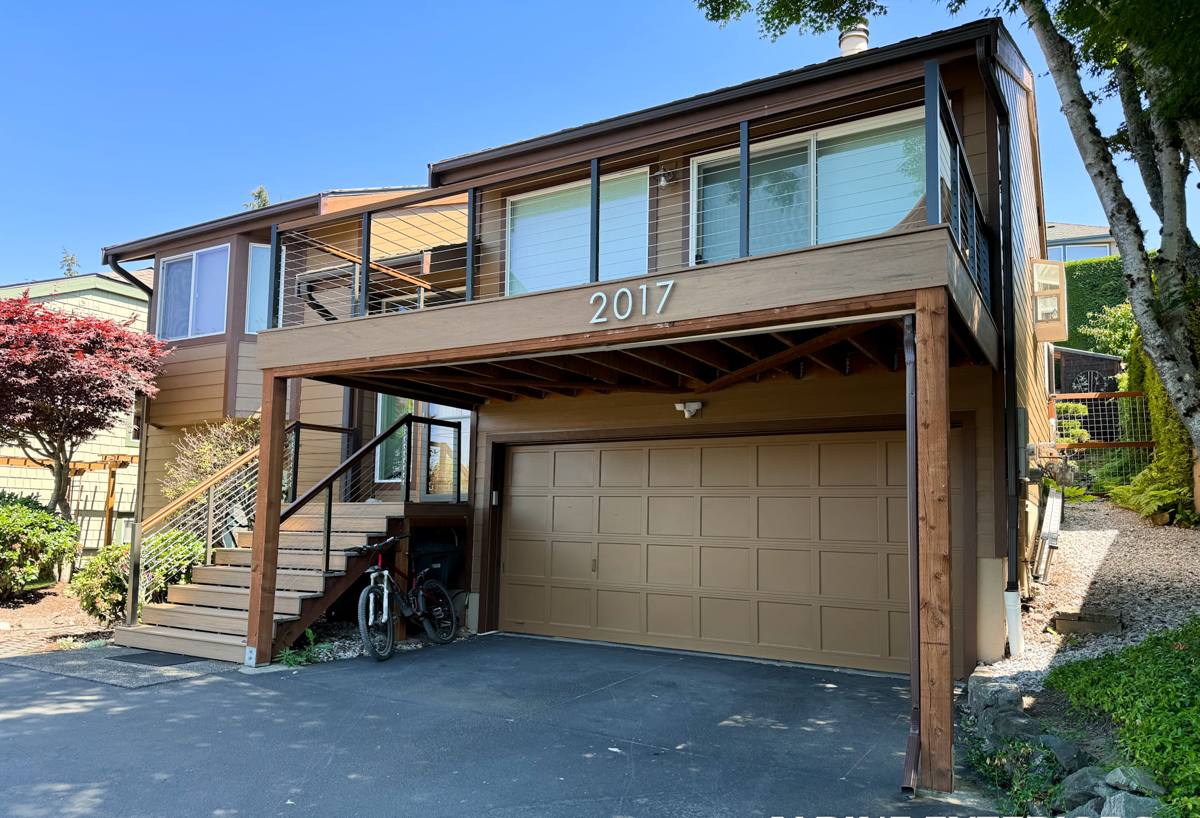
What Clearwater's Climate Does to a Roof
Pinellas County roofs work harder than roofs almost anywhere else in the country, and Harbor Oaks is no exception. A few things compound here:
Sun and UV
Florida's near-constant sun bakes shingles, breaks down sealants, and dries out the granules that protect asphalt shingles from UV. On tile roofs, UV exposure and heat cycling stress the underlayment beneath the tile long before the tile itself shows any problem — which is why a tile roof can look fine from the ground while the layer doing the actual waterproofing underneath is failing.
Hurricane-Force Wind
Wind doesn't just rip off loose shingles or tiles. It gets under edges, lifts flashing, and works fasteners loose over repeated storms, even when a roof survives any single event without visible damage. Repeated wind-loading is cumulative — a roof that handled last year's storm fine can be more vulnerable this year because of hidden fatigue.
Wind-Driven Rain
Straight-down rain and sideways rain behave completely differently on a roof. Wind-driven rain gets pushed uphill under shingles, sideways through vents, and into gaps that would never leak in a calm rainstorm. Most of the "mystery leaks" we get called out for in this area trace back to wind-driven rain finding a weak point that only fails under those specific conditions.
Salt Air
Homes closer to the water — and Harbor Oaks sits nearer to Clearwater Harbor than many inland neighborhoods — deal with salt air accelerating corrosion on exposed metal: flashing, fasteners, vent boots, and drip edge. Corroded metal components are a common hidden cause of leaks that otherwise look like a roofing material failure.
Common Roof Repair Needs We See in This Area
Because Harbor Oaks has a mix of home ages and roofing materials, the repairs we're called out for vary more than in a newer subdivision with uniform construction. Typical calls include:
- Cracked, slipped, or broken tiles on older tile roofs, often with underlayment wear underneath
- Wind-lifted or missing shingles after storms, especially along ridge lines and roof edges
- Flashing failures around chimneys, skylights, and roof-to-wall transitions
- Deteriorated pipe boots and vent flashing letting in water at penetrations
- Soft or discolored decking found after a leak has been dripping for a while
- Gutter and drainage issues that push water back under roof edges
Older Harbor Oaks homes sometimes have roofing layered over original decking that's decades old, which changes what a proper repair requires. We don't assume — we check what's actually there before quoting a fix.
Signs Your Roof Needs Repair
Some damage is obvious. A lot of it isn't, especially from the ground. Homeowners in Harbor Oaks should watch for:
- Water stains or discoloration on ceilings or interior walls, even small ones
- Missing, cracked, or curling shingles visible from the yard or driveway
- Granules collecting in gutters or at downspouts
- Cracked or displaced roof tiles, or tiles that look "off" in alignment
- Daylight visible through the attic roof deck
- Musty odor in the attic or top-floor rooms
- Sagging sections of roofline
- Rusted or lifted flashing around chimneys, vents, or skylights
Any one of these is worth a look. Several at once usually means the damage has been building for a while.
What a Correct Roof Repair Actually Involves
A repair that's done right isn't just sealing the spot where water is coming through. It involves:
- Finding the actual entry point — which is often several feet from where the leak shows up inside, since water travels along decking and framing before it drips
- Checking the decking — soft, delaminated, or water-damaged decking has to be replaced, not covered over, or the repair won't hold
- Matching materials correctly — tile, shingle profile, and color need to match closely enough that the repair doesn't stand out and, more importantly, performs the same as the surrounding roof
- Rebuilding flashing properly — flashing is where most leaks actually originate, so it gets replaced and properly integrated, not just re-caulked
- Confirming fastening meets current wind expectations — a repair is a chance to correct under-fastened areas, not just replicate whatever was there before
Skipping any of these steps is how a "repair" ends up leaking again within a year or two, often in a slightly different spot that makes it look like a new problem instead of the same one done wrong.
Repair vs. Replacement: What Actually Drives the Decision
Not every damaged roof needs to be replaced, and not every repair is a good long-term investment. The honest answer depends on a few factors:
| Factor | Leans Toward Repair | Leans Toward Replacement |
|---|---|---|
| Roof age | Well within expected material lifespan | At or past the end of its expected service life |
| Extent of damage | Isolated to one section or a few penetrations | Spread across multiple roof planes |
| Decking condition | Solid, dry decking beneath the damage | Widespread soft spots or rot found during inspection |
| Repair history | First or infrequent repair on this roof | Repeated repairs to the same or nearby areas |
| Underlayment condition (tile roofs) | Underlayment still intact where checked | Underlayment brittle or failing broadly |
Repair costs vary widely depending on the type of roof, how many areas need attention, and whether decking replacement is involved — generally ranging from a modest single-repair fix up to a more substantial cost when multiple areas or decking are involved. We give a specific number after we've actually inspected the roof, not before.
Our Roof Repair Process
When we're called out to a Harbor Oaks roof repair, the process is straightforward:
- Inspection — we get on the roof (and in the attic when relevant) to find the real cause, not just the visible symptom
- Honest assessment — we tell you what's actually needed, including if a repair isn't the right long-term call
- Written scope and estimate — clear on what's being fixed and why, before any work starts
- Repair work — decking, flashing, and roofing material addressed together, not just the surface layer
- Cleanup and final check — site cleared of debris and nails, repair area reviewed with you
We pull the required permits through Clearwater and Pinellas County when the scope of work calls for it, so the repair is documented correctly for insurance and any future home sale.
Why a Crew That Knows Harbor Oaks Matters
Roofing crews that work all over the state without local familiarity tend to treat every roof the same way. That's a problem in a neighborhood like Harbor Oaks, where home age varies block to block, some structures have had multiple roofing layers added over the decades, and proximity to the water changes how fast metal components corrode compared to roofs further inland.
Working this area regularly means we're familiar with the county's current wind-uplift and permitting requirements, we recognize the older construction patterns common in this part of Clearwater, and we're not guessing at what a 30- or 40-year-old Harbor Oaks roof deck is likely to look like once we open it up. That familiarity shows up in fewer surprises during the job and fewer callbacks after it.
Maintaining Your Roof Between Repairs
A repair extends the life of a roof — it doesn't stop the clock on Florida's climate. Keeping gutters clear, trimming overhanging branches that drop debris and hold moisture against roofing material, and having the roof looked at after any major storm all reduce the chance of the next leak. Small issues caught early are cheap. The same issue found after a season of wind-driven rain has been working at it is not.
If you're dealing with a leak, storm damage, or a roof that's just showing its age in Harbor Oaks, we're happy to take a look and give you a straight answer — repair, monitor, or replace. Reach out for a free, no-pressure estimate using the form below.