 Clearwater Siding
 Why Countryside Roofs Take a Different Kind of Beating
Countryside sits inland from the immediate coastline, but "inland" in Pinellas County still means hurricane-force wind gusts, sideways rain during summer storms, relentless UV exposure nearly every day of the year, and a steady drift of salt-laden air off Tampa Bay and the Gulf. None of that is unique to any one neighborhood in Clearwater, but it adds up differently depending on how a roof was built and how long ago. A shingle roof that was installed to code twenty or thirty years ago was built for a different set of wind-rating standards, different nailing requirements, and often a cheaper felt underlayment than what's used correctly today.
For homeowners in Countryside, the practical result is that roofs age faster than the shingle warranty label suggests. UV breaks down the asphalt and granules from above, heat trapped in a poorly ventilated attic bakes the underside of the decking, and wind works at the edges and fasteners every time a storm rolls through. A roof that looks fine from the driveway can still be losing its grip in exactly the places that matter during the next big blow.
What Countryside's Housing Stock Means for Your Roof
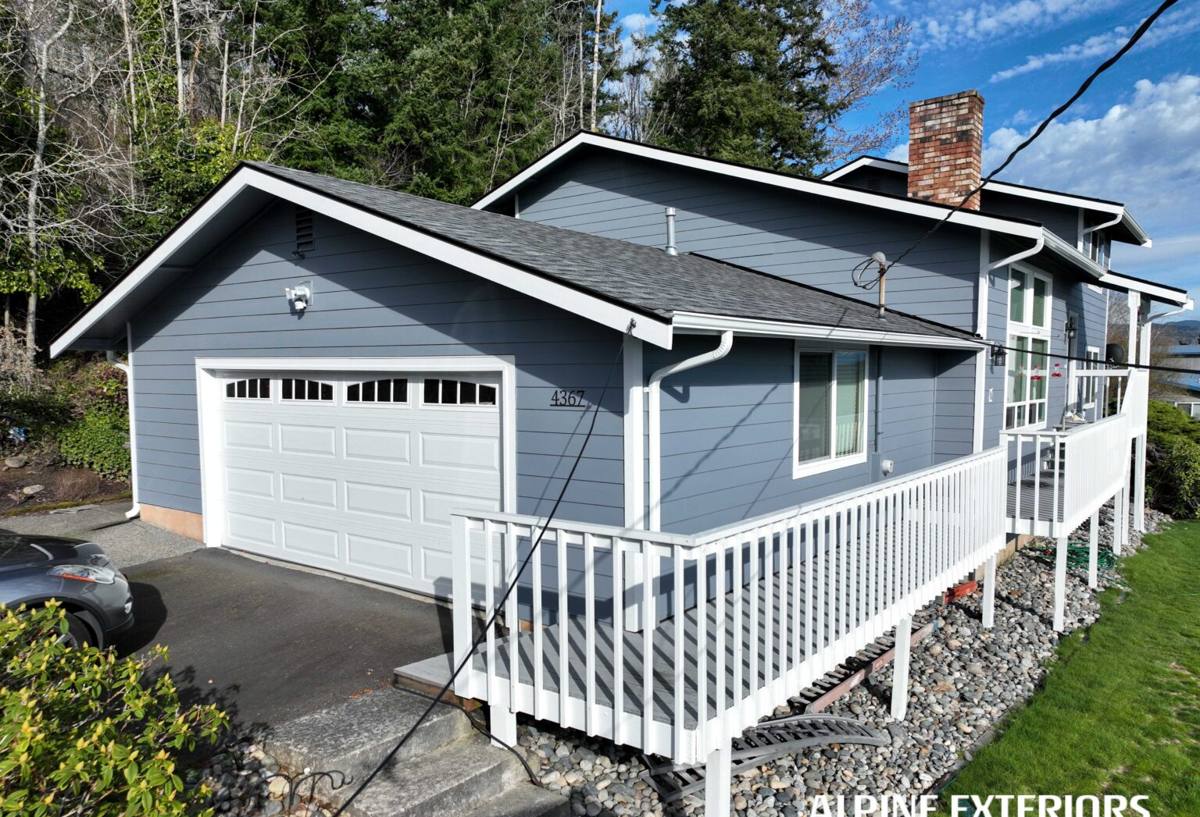
Like much of central Pinellas County, Countryside is built out with established single-family homes on standard-pitch roofs — the kind of straightforward gable and hip designs that are common across Clearwater's inland neighborhoods. That's good news in one respect: these roof shapes are well understood, and a competent crew can usually diagnose problems quickly and install cleanly without unusual framing complications.
The flip side is that a lot of these homes are old enough to be on a second or even third roof, and older reroofs sometimes carry forward shortcuts from whatever standards were in place at the time — thinner underlayment, minimal ridge ventilation, or drip edge that was skipped entirely. When we reroof a home in this area, we're not just matching what's already up there; we're bringing the whole system up to what current wind and moisture conditions actually require.
Common Issues We See on Inspections in This Area
- Granule loss and thinning shingles from years of direct UV exposure, especially on south- and west-facing slopes
- Nail pops and lifted shingle tabs along ridges and rake edges where wind uplift concentrates
- Cracked or brittle pipe boots and vent flashing — often the first place a roof actually leaks
- Undersized or blocked attic ventilation, which shortens shingle life from underneath
- Soft or discolored decking near valleys and chimney flashing, a sign moisture has been getting in slowly
What a Correct Shingle Roof Installation Actually Involves
"Asphalt shingle roof" covers a wide range of quality, and the difference between a roof that holds up through hurricane season and one that doesn't is almost never the shingle brand alone — it's the system underneath and the details at the edges.
Underlayment and Deck Prep
We start at the decking, not the shingles. Any soft, delaminated, or water-stained plywood gets replaced before anything else goes down — nailing new shingles over compromised decking just hides the problem. From there, a synthetic underlayment (or a self-adhered membrane in vulnerable areas like valleys and eaves) gives the roof a real secondary water barrier, which matters enormously when wind-driven rain gets up under a shingle tab during a storm.
Wind-Rated Fastening
How a shingle is nailed matters as much as what shingle you buy. Correct nail placement, nail count, and nail type — driven flush, not overdriven or underdriven — are what actually determine a roof's real-world wind resistance, regardless of what the shingle's rated wind speed says on the wrapper. This is one of the most common places corners get cut, because it's invisible once the roof is finished.
Flashing and Penetrations
Chimneys, skylights, plumbing vents, and wall-to-roof transitions are where the majority of leaks actually start — not in the open field of shingles. New step flashing, counter-flashing, and pipe boots at every penetration are non-negotiable on a proper reroof, even when it would be faster to reuse what's already there.
Attic Ventilation
A hot, poorly ventilated attic cooks shingles from below and can void manufacturer warranties outright. Balanced intake at the soffits and exhaust at the ridge keeps attic temperatures and moisture in check, which extends shingle life and helps with energy costs in Florida's long cooling season.
Choosing the Right Shingle for This Climate
Not every shingle sold at a supply house is built for Gulf Coast wind and heat. We generally steer Countryside homeowners toward laminated (architectural) shingles with a wind rating suited to Pinellas County's requirements, and we'll talk through impact-rated options for homeowners who want the strongest available protection or a potential insurance credit.
| Shingle Type | Typical Wind Rating | Expected Lifespan Here | Best Fit For |
|---|---|---|---|
| 3-Tab (standard) | Lower rated, thinner profile | 12–18 years in this climate | Budget-driven rentals or short-hold properties |
| Laminated / Architectural | Higher rated, heavier construction | 20–25+ years with proper ventilation | Most Countryside homes — our standard recommendation |
| Impact-Rated (Class 4) | Highest wind and impact rating available | Comparable to architectural, often better warranty terms | Homeowners prioritizing storm resilience or insurance savings |
We don't install lower-tier three-tab shingles on new roofs in this market as a matter of professional standard — the thinner mat and lighter fastening margin just don't hold up as well to repeated Gulf Coast wind cycles, and the short-term savings tend to disappear the first time a homeowner needs a premature repair or reroof. We'll always explain the honest trade-offs so you can decide what fits your budget and timeline.
Our Process, Start to Finish
- On-site inspection: We walk the roof and attic, check decking condition, ventilation, flashing, and document what we find with photos.
- Written estimate: A clear scope of work — materials, labor, and what's included — with no vague allowances buried in the fine print.
- Material delivery and setup: Landscaping and gutters are protected before tear-off begins.
- Tear-off and deck inspection: Old roofing comes off down to the deck so we can actually see what's underneath, not guess.
- Underlayment, flashing, and shingle installation: Installed to manufacturer specification and local wind code, not shortcuts.
- Ventilation check: Intake and exhaust confirmed balanced before we close up.
- Cleanup and final walkthrough: Magnetic sweep for stray nails, full site cleanup, and a walkthrough so you can see the finished work.
Signs Your Roof Needs Attention Now
Most roof failures don't happen suddenly — they build up quietly over a few storm seasons. If you're seeing any of the following, it's worth getting a professional look before the next named storm rather than after.
- Shingle granules collecting in gutters or at downspout outlets
- Curling, cracked, or missing shingle tabs, especially after a windy afternoon
- Daylight visible through the attic roof deck or soffit vents
- Water stains on interior ceilings, even small or faint ones
- A roof that's 18+ years old and has never had a full inspection
- Visible sagging along the ridge or roof plane
Insurance, Permits, and Wind Mitigation
Reroofing in Pinellas County requires a permit and inspection, and we handle that process as part of the job rather than leaving it to the homeowner. A properly documented, code-compliant installation also matters for insurance: many carriers offer wind mitigation credits for features like sealed roof decking, secondary water barriers, and rated shingle systems — but only if the work is done and documented correctly. We'll point out where your new roof may qualify, though the final credit determination is always between you and your insurer.
Why Local Experience in Countryside Matters
A crew that regularly works Countryside and the surrounding Clearwater neighborhoods knows the housing stock, the typical roof ages, and the specific ways Pinellas County wind and rain wear on a roof over time — not generic advice pulled from a national playbook. That familiarity shows up in faster, more accurate inspections, fewer surprises once tear-off starts, and a finished roof that's actually built for what this area experiences every hurricane season, not just what a spec sheet promises.
If your roof is showing its age, was damaged in a recent storm, or you just want an honest opinion on how much life it has left, we're happy to take a look. Request a free, no-pressure estimate using the form below — we'll walk the roof, tell you what we actually see, and lay out your options in plain terms.