 Clearwater Siding
 New-Construction Windows vs. Replacement: Why the Difference Matters
"New-construction windows" refers to a specific product and installation method, not just a window going into a new house. These units have a nailing fin (sometimes called a flange) around the frame that gets fastened directly to the wall sheathing and integrated with the house wrap and flashing before stucco, siding, or brick veneer goes on. That's different from a replacement or "pocket" window, which slides into an existing frame with the exterior finish already in place. If you're building new in Sunset Point, adding a room, or gutting a wall down to the studs, new-construction windows are the correct product — and they only perform as designed if the flashing and fastening sequence is done in the right order, before the wall is closed up.
That sequencing matters more here than in a lot of the country. Once stucco or siding covers a badly flashed rough opening, nobody sees the mistake until a wall gets wet.
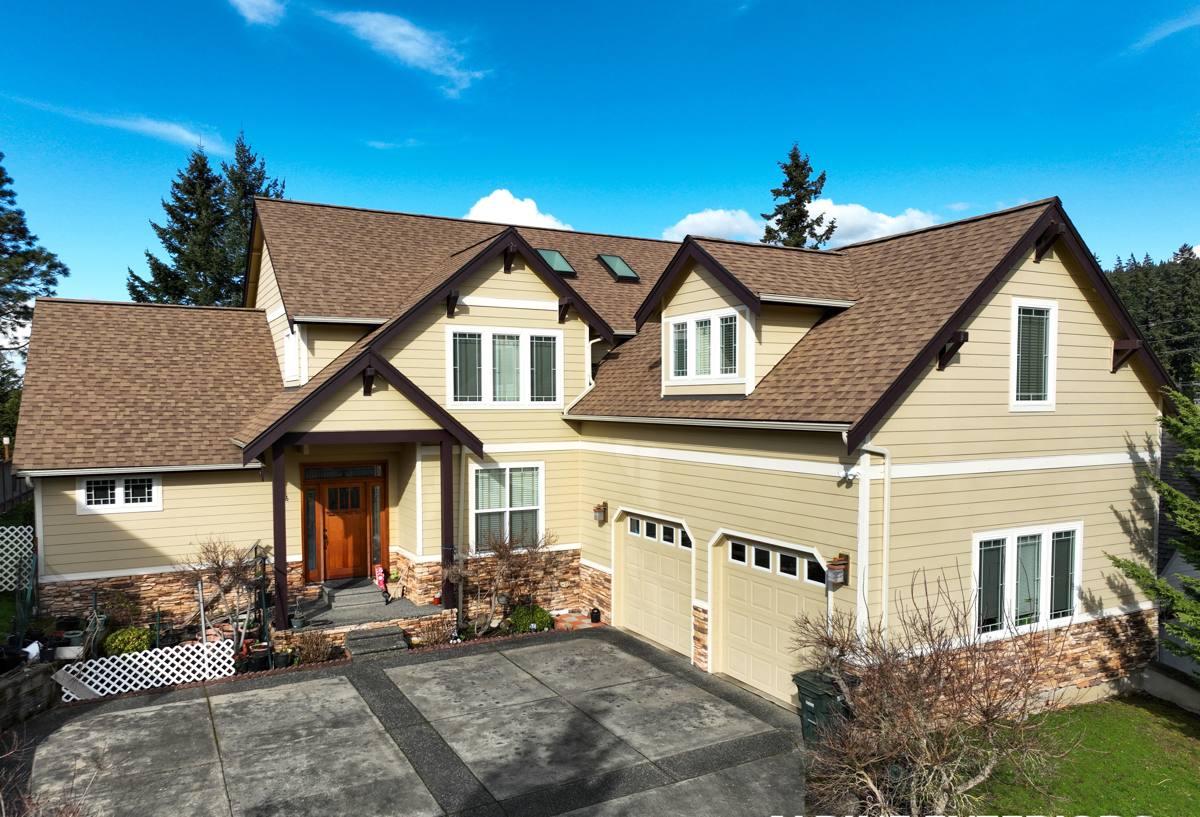
What Sunset Point's Climate Actually Demands From a Window
Sunset Point sits close to the water in Clearwater, and homes in this part of Pinellas County take a specific combination of stresses that inland construction doesn't deal with. Wind-driven rain during tropical systems pushes water sideways into wall assemblies, not just down. Salt air off the Gulf accelerates corrosion on hardware, screws, and lesser-grade aluminum components. Year-round UV breaks down vinyl, sealants, and low-quality glazing seals faster than in milder climates. And sustained hurricane-force wind gusts put real pressure — both push and pull — on the glass and the frame's attachment to the structure.
None of that is unique to Sunset Point alone, but it's the baseline for anything built close to the Clearwater coastline. A window spec'd for a subdivision fifty miles inland is not automatically the right spec here.
Florida Building Code and Wind Load Requirements
Every new-construction window installed in Pinellas County has to meet Florida Building Code wind load requirements for its specific location, which are based on the site's design wind speed and exposure category. Pinellas County is not part of Florida's High-Velocity Hurricane Zone — that designation applies only to Miami-Dade and Broward Counties — but much of the county, including areas close to the coast like Sunset Point, falls inside the Wind-Borne Debris Region. That means windows either need to carry an impact rating (the glass itself is designed to resist debris impact) or the home needs approved impact protection, such as code-rated shutters, on those openings.
Every window installed also needs a valid Florida Product Approval number or Miami-Dade Notice of Acceptance (NOA), and a Design Pressure (DP) rating equal to or higher than what the structural engineer or code calls for at that specific opening. Larger openings, corner units, and windows on taller walls often carry different DP requirements than a standard bedroom window on the same house. The City of Clearwater and Pinellas County building departments both require permits and inspections for new-construction window installs — this isn't optional paperwork, it's what confirms the window and its installation actually match what the code requires for that address.
What a Correct New-Construction Installation Involves
Rough Opening Prep and Sill Pan Flashing
Before a window ever gets set, the rough opening needs to be square, correctly sized, and dry. A sill pan flashing — a formed or built-up barrier at the bottom of the opening — is installed so that any water that gets past the window in a wind-driven rain event drains back out to the exterior instead of collecting inside the wall cavity. Skipping or rushing this step is one of the most common causes of hidden water damage in coastal construction.
Setting, Shimming, and Fastening
The window is set level, plumb, and square in the opening, shimmed at the correct load points, and fastened through the nailing fin per the manufacturer's installation instructions and the window's product approval. Fastener spacing and type aren't a matter of preference — they're part of what the DP rating and product approval are actually tested against. Using the wrong screws or skipping fastener locations can quietly void the wind rating the window was sold on.
Flashing and Water Management Integration
The nailing fin gets integrated with the house wrap or building paper in a shingled, water-shedding sequence — side flashing first, then head flashing lapped over the top, so water always moves down and out rather than behind the window. This is the step that decides whether the window actually resists wind-driven rain years down the road, and it's invisible once the exterior finish goes on.
Sealant and Interior Finish
A backer rod and compatible exterior sealant close the joint between the frame and the finish material, and interior trim or drywall return completes the opening. Sealant is a backup layer, not the primary water barrier — a job that relies on caulk to do the flashing's work is a job that's cutting a corner.
Frame Material and Glass Package Options
New-construction windows come in a few common frame materials, each with real trade-offs for a coastal Clearwater property. We'll walk through what fits your project, your budget, and your home's exposure rather than pushing one option across the board.
| Frame Material | Salt Air / Corrosion Behavior | Maintenance | Typical Fit |
|---|---|---|---|
| Vinyl | Won't corrode; UV-stable formulations hold up well | Low — no painting, occasional cleaning | Most common choice for new builds and additions |
| Aluminum | Strong and slim profile, but needs a quality finish to resist salt-air corrosion over time | Moderate — finish should be inspected periodically | Larger openings, modern architectural styles |
| Fiberglass | Very stable dimensionally, holds paint and finish well near the coast | Low to moderate | Higher-end builds, larger or custom sizes |
| Wood-clad | Interior wood needs protection from humidity; exterior clad shields from weather | Higher — interior wood care, clad seams to monitor | Interior aesthetic priority over exterior durability |
On glass, an impact-rated laminated package is worth strong consideration for any opening in the wind-borne debris region — it protects the opening during a storm without shutters to install and store. A low-E coating cuts down on solar heat gain, which matters for a Florida cooling bill running most of the year, without meaningfully darkening the view.
What New-Construction Windows Typically Cost
New-construction window pricing depends on more variables than a single number can capture honestly. The factors below move the price up or down the most on a Sunset Point project.
| Cost Factor | Why It Matters |
|---|---|
| Impact-rated vs. non-impact glass | Impact laminated glass costs more per unit but removes the need for separate storm protection |
| Frame material | Vinyl is typically the most budget-friendly; fiberglass and wood-clad run higher |
| Opening size and configuration | Large openings, corner windows, and custom shapes require higher DP ratings and more engineering |
| Number of openings | Whole-house or whole-addition orders typically bring a better per-unit price than a handful of windows |
| Access and stage of construction | Installing before the wall is closed up is more straightforward than working around finished framing or scaffolding needs on upper floors |
We don't quote a project without seeing the plans or the framed openings — anyone giving a firm number over the phone for new-construction work is guessing.
Our Process for Sunset Point Projects
- Review plans or measure framed rough openings on site, and confirm wind zone and DP requirements for the address.
- Provide a written estimate covering frame material, glass package, and quantities — no pressure to decide on the spot.
- Pull the required permit through the applicable Clearwater or Pinellas County building department before work starts.
- Install sill pan flashing, set and fasten each window to the manufacturer's and product approval's specifications, and integrate flashing with the house wrap in the correct shingled order.
- Complete sealant and trim work, then schedule and pass the required building inspection.
Why a Crew That Already Works Sunset Point Matters
New-construction window work lives or dies on details a homeowner or even a general contractor might not think to check — fastener schedules, flashing sequence, product approval matching the site's wind zone. A crew that regularly works in and around Sunset Point and the rest of Clearwater already knows the local building department's inspection expectations, has already dealt with the coastal exposure this area sees, and isn't learning Pinellas County's permitting process on your project. That familiarity shows up as fewer inspection call-backs and fewer surprises mid-job — not as anything you'd notice unless something went wrong.
After Installation: What Homeowners Should Check
Once your windows are in and the exterior finish is complete, a short walkthrough helps confirm everything was done right and catches anything worth flagging early.
- Confirm the final building inspection was passed and documented, not just scheduled.
- Check that interior sealant lines and trim are clean and continuous, with no visible gaps.
- Operate every window and door — locks, cranks, and sashes should move smoothly with no resistance.
- Keep your Florida Product Approval or NOA documentation and window labels for insurance and future resale purposes.
- Watch the first heavy wind-driven rain for any sign of water intrusion at the sill or corners, and report it right away if you see any.
- Plan on rinsing frames and hardware periodically to clear salt residue, especially on aluminum components.
If you're building, adding on, or opening up walls near Sunset Point in Clearwater, we're glad to walk the site, look at your plans, and give you a straightforward, no-pressure estimate — just fill out the form below to get started.