 Clearwater Siding
 Roofing a Barrier Island Home Is a Different Job
Indian Rocks Beach sits on a narrow strip of land between the Intracoastal Waterway and the Gulf of Mexico, and that location changes what a roof has to survive. A house three miles inland in Clearwater deals with Florida heat and the occasional tropical storm. A home in Indian Rocks Beach deals with all of that plus direct salt spray, near-constant onshore wind, and a level of UV exposure that comes from having almost nothing between the roof deck and open water. New roof installation here isn't just "put shingles on a house" — it's building an assembly that's rated for the wind loads Pinellas County requires and detailed to keep salt-laden moisture out of every seam.
This page covers what a correct new roof installation looks like specifically for Indian Rocks Beach homes: what the coastal environment does to roofing materials, what a proper install actually involves layer by layer, how our process works from first inspection to final walkthrough, and why local experience on the barrier island matters more than it would for a typical mainland re-roof.
What Coastal Exposure Does to a Roof
Every roofing material eventually wears out, but the barrier island environment accelerates specific failure points. Understanding these helps explain why certain installation details aren't optional here.
Wind Uplift
Sustained onshore wind and hurricane-force gusts create uplift pressure at the roof edges, corners, and ridge — the areas most likely to lose shingles or panels first. Florida Building Code sets minimum wind-rating requirements for coastal Pinellas County, and the fastening pattern, not just the material itself, is what determines whether a roof actually holds at those speeds.
Salt Air Corrosion
Airborne salt settles on every exposed metal component — nail heads, flashing, drip edge, vent stacks, and fasteners. Standard mild-steel hardware corrodes noticeably faster within a mile or two of the Gulf than it would inland. Corroded fasteners lose holding power exactly where wind uplift needs them to be strongest.
UV Degradation
Florida's UV index runs high year-round, and reflected sunlight off the water adds to the exposure on Gulf-facing homes. UV breaks down asphalt shingle oils and can chalk or fade coatings on metal roofing over time, which is why granule quality and coating warranties matter more here than in shadier, inland neighborhoods.
Wind-Driven Rain
During tropical systems, rain doesn't just fall — it's pushed sideways and can work its way under improperly sealed shingle tabs, exposed fastener heads, or aging flashing. This is a water-intrusion problem as much as a wind problem, and it's addressed at the underlayment and flashing level, not just on the roof surface.
What a Correct New Roof Installation Actually Involves
A new roof is a system of layers, and each one has a job. Skipping or cutting corners on any single layer is usually where premature leaks and wind failures start.
Deck Inspection and Repair
Before anything goes down, the plywood or OSB deck underneath the old roofing gets inspected for rot, delamination, and soft spots — common where old flashing has failed or attic ventilation has been inadequate. Damaged decking gets replaced, not covered over, because fasteners driven into compromised wood won't hold under wind load no matter how good the shingles are.
Underlayment and Dry-In
A synthetic or self-adhering underlayment goes down next, with extra attention at valleys, eaves, and any roof penetration. In coastal wind zones, a sealed, high-quality underlayment is what actually keeps a house dry if shingles or panels are damaged during a storm before repairs can happen — it's the backup system, not just prep work.
Flashing at Every Penetration
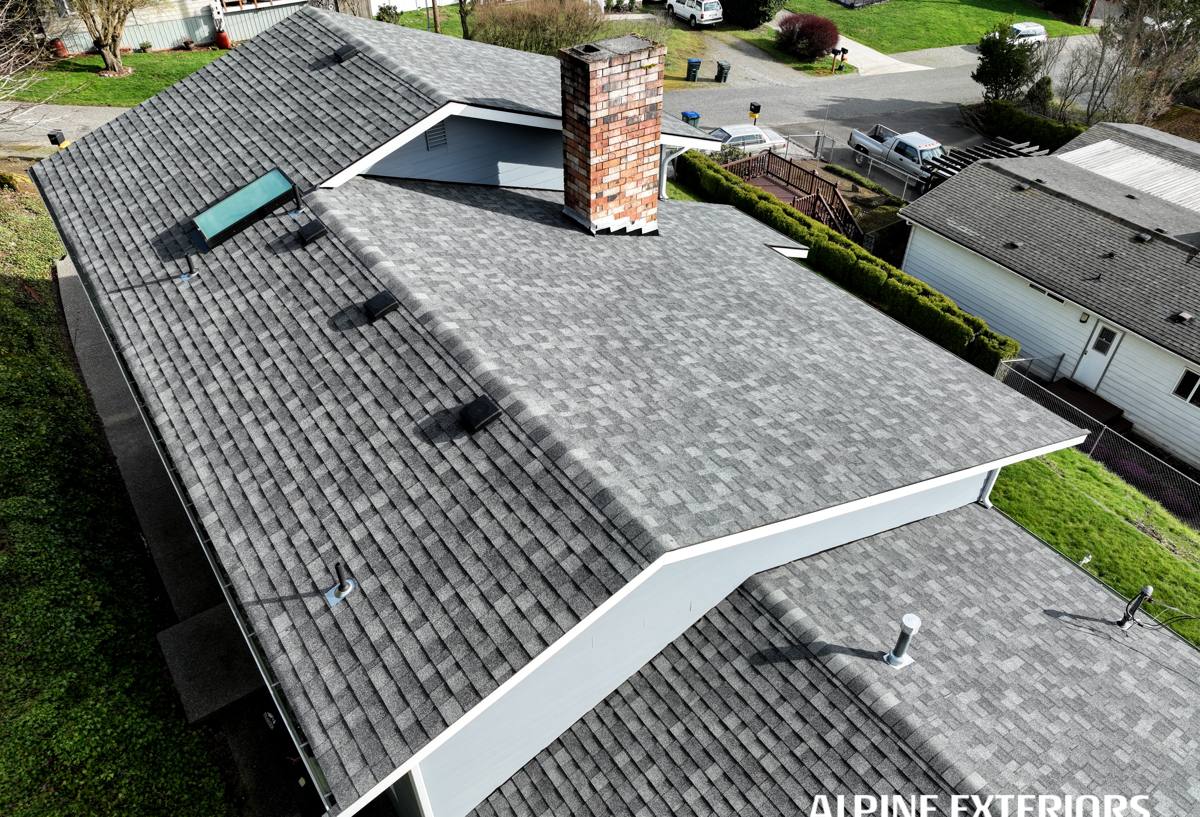
Chimneys, skylights, plumbing vents, and wall-to-roof transitions are where the vast majority of roof leaks originate — not the open field of shingles. Properly formed and sealed flashing at every one of these points matters more on a salt-air coastline, where corrosion can compromise older flashing faster than homeowners expect.
Fastening Pattern and Wind Rating
The number, placement, and type of fasteners used determines the roof's actual wind rating, regardless of what the shingle or panel packaging claims. Coastal installations in Pinellas County typically call for a tighter nailing pattern and corrosion-resistant fasteners than you'd see on an inland re-roof.
Ventilation
Balanced intake and exhaust ventilation keeps attic temperatures and moisture in check, which extends the life of the roofing material from underneath and helps prevent condensation issues that mimic leaks. This is easy to overlook during a re-roof if the crew is only focused on what's visible from the ground.
Roofing Material Options for Indian Rocks Beach
There's no single "best" roofing material for every coastal home — it depends on your home's structure, your budget, and how long you want the roof to last before the next replacement. Here's an honest comparison of the options we install most often in this area.
| Material | Typical Lifespan Here | Wind Performance | Maintenance Notes |
|---|---|---|---|
| Architectural asphalt shingle | 18-25 years | Good, with proper fastening and rated shingles | Periodic inspection of sealant strips and flashing |
| Standing seam metal | 30-50 years | Excellent when properly fastened to deck | Watch for fastener corrosion over time; coating checks |
| Concrete or clay tile | 30-50 years | Good, but individual tiles can dislodge in extreme gusts | Underlayment failure is the real long-term risk, not the tile itself |
We don't push one material over another as a rule — we walk through the trade-offs with you. Metal costs more upfront but spreads that cost over a much longer service life and handles salt air corrosion well when the fastener system is specified correctly. Asphalt shingle remains the most budget-friendly option and, with the right underlayment and nailing pattern, performs well in this climate. Tile has a distinctive look but carries more structural weight considerations and a higher repair cost if individual tiles are damaged.
Our Installation Process
Every roof we install in Indian Rocks Beach follows the same sequence, adjusted for your home's specific layout and access.
- On-site inspection and estimate. We look at the existing roof, deck condition where visible, attic ventilation, and any problem areas you've noticed, then walk you through material options and a written cost range.
- Permitting. We pull the required roofing permit with the applicable municipality before work begins — this isn't optional and it protects you if there's ever an insurance claim or a future home sale.
- Tear-off and deck inspection. Old roofing comes off down to the deck, and every square foot gets checked for rot or damage before we move forward.
- Deck repair. Any compromised decking is replaced and refastened to current code before underlayment goes down.
- Dry-in. Underlayment and flashing go down first, sealing the house even before the final roofing material is installed.
- Installation. Shingles, metal panels, or tile go down using the fastening pattern appropriate for your wind zone.
- Cleanup and magnetic sweep. Debris and stray fasteners are cleared from the property, including landscaping and driveway areas.
- Final inspection. The local building inspector signs off, and we walk the finished roof with you.
Permitting, Wind Mitigation, and Insurance
Pinellas County and the local municipalities that cover Indian Rocks Beach require permits for full roof replacement, and the work has to meet current Florida Building Code wind-load standards for the area. This isn't just red tape — code requirements here exist specifically because of the wind exposure barrier island homes face.
After installation, a wind mitigation inspection can document features like the roof deck attachment method, roof-to-wall connections, and secondary water barrier — details that often qualify homeowners for meaningful discounts on windstorm insurance premiums. If you're replacing a roof anyway, it's worth asking your contractor for the paperwork needed to support that inspection, since insurers want documentation, not just a finished roof.
Signs Your Roof May Need Replacing
Not every roof problem means a full replacement, but these are signs worth having evaluated rather than ignored, especially on a home this close to the Gulf:
- Shingles that are curling, cracked, or missing granules in patches
- Visible daylight through the attic roof deck
- Streaking, dark staining, or algae growth across large sections
- Soft spots or sagging when walking the roof line visually from the ground
- Rust streaks around metal flashing, vents, or fasteners
- Interior ceiling stains or musty attic odor after heavy rain
- A roof approaching or past 20 years old, regardless of visible damage
- Missing or lifted shingles after any tropical storm or high-wind event
If your roof is showing several of these at once, a repair may only be delaying a replacement that's coming anyway — and delaying it through another storm season carries real risk to the deck and interior of the home.
Why Local, Barrier-Island Experience Matters
A roofing crew that mostly works inland neighborhoods isn't necessarily prepared for what Indian Rocks Beach throws at a project. Access on the island can be tighter, with narrower streets, limited staging space, and, in some cases, condo association or HOA requirements that affect scheduling and dumpster placement. Crews familiar with the area already know which permitting office to file with, what documentation the wind mitigation inspection process expects, and which fastener and flashing specs actually hold up a block from the Gulf rather than just meeting the bare code minimum.
There's also a simple logistics reason to hire local: a crew based near Clearwater can respond quickly if a tarp needs to go up before a storm, or if a punch-list item comes up after the final walkthrough. That responsiveness matters more on a barrier island than almost anywhere else in the county.
Cost Factors to Expect
Every roof is priced individually, but the same handful of factors drive most of the variation we see on Indian Rocks Beach homes.
| Factor | Why It Matters |
|---|---|
| Roof size and pitch | Steeper roofs take longer to work safely and use more material per square |
| Number of penetrations | Chimneys, skylights, and vents each require individual flashing work |
| Deck condition | Rotted decking discovered during tear-off adds material and labor |
| Material choice | Asphalt, metal, and tile carry different upfront costs and lifespans |
| Access and staging | Tighter island lots can affect dumpster placement and material staging time |
We won't know your exact number until we've walked the roof and seen the deck, but we'll give you a straight, itemized estimate before any work starts — no vague allowances buried in the fine print.
Let's Take a Look at Your Roof
If your Indian Rocks Beach roof is aging, showing storm damage, or you're just planning ahead before the next hurricane season, we're happy to come take a look. The estimate is free, there's no pressure, and you'll get a straight answer about whether you need a full replacement or something less. Fill out the form below to get started.