 Clearwater Siding
 Storm Damage Roof Repair for Seminole Homes
Seminole sits close enough to the Gulf that every named storm, every strong summer squall line, and every dry-season cold front puts real load on a roof. Homes here take a different kind of beating than roofs further inland — the wind comes off open water with less to slow it down, the rain that follows a storm often drives sideways instead of falling straight, and the salt in the air works on metal fasteners and flashing year-round, storm or no storm. When a roof takes a hit in Seminole, the repair has to account for all of that, not just patch the visible damage and move on.
This page is specifically about storm damage roof repair for homes in and around Seminole. If your roof came through a storm with missing shingles, lifted tile, a leak that started during heavy rain, or damage you can't quite identify but know is there, this is what that repair should actually involve.
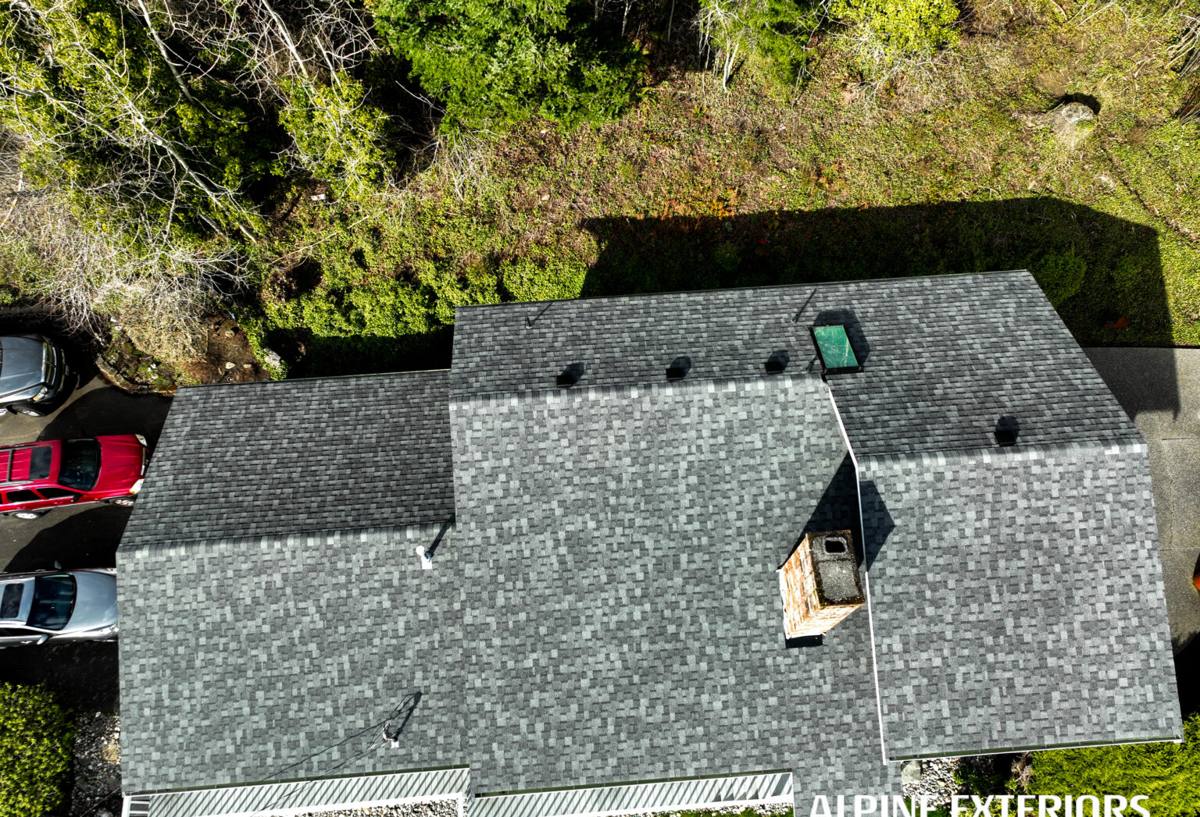
What Pinellas County Weather Does to a Roof
Seminole roofs deal with a combination of stresses that don't let up between storms:
Wind
Sustained tropical-storm and hurricane-force winds don't just push on a roof — they create uplift at edges, corners, and ridge lines, which is where shingles and tile first start to peel back. Even wind events that don't make the news can loosen fasteners and shingle seals enough that the next storm finishes the job.
Wind-driven rain
A roof can shed rain falling straight down and still leak badly when that same rain is being pushed sideways under shingle tabs, up under ridge caps, or into any gap in flashing around a chimney, vent, or wall intersection. Wind-driven rain finds openings that would never leak in a normal storm.
Year-round UV and heat
Florida sun ages roofing materials faster than most of the country sees. Shingles that are already brittle from UV exposure and heat cycling are far more likely to crack or tear loose in a storm than a newer, more flexible roof — which is part of why two roofs of similar age can come through the same storm with very different amounts of damage.
Salt air
Seminole's proximity to the Gulf means metal roofing components — nails, flashing, drip edge, vent stacks — corrode faster than they would inland. Corroded fasteners lose their grip, and corroded flashing fails quietly, often well before it looks bad from the ground.
Common Types of Storm Roof Damage We See in Seminole
- Lifted or missing shingles/tiles — usually starting at edges, ridges, and corners where uplift is strongest
- Broken shingle seals — the shingle is still there but no longer bonded down, so it lifts again in the next wind event
- Flashing damage — around chimneys, skylights, pipe boots, and roof-to-wall intersections, often the actual source of a leak that shows up nowhere near where water entered
- Impact damage — bruising or punctures from wind-blown debris, tree limbs, or hail
- Underlayment and decking exposure — once the outer roofing material is gone, the underlayment and wood decking underneath are exposed to direct rain
- Granule loss — shingles stripped of their protective granule layer by wind and rain, which accelerates aging even where the shingle didn't physically fail
Why Storm Repairs Need to Be Done Right the First Time
Storm repair work has a bad reputation in coastal Florida, and it's earned — not because the trade is dishonest, but because storm conditions create pressure to move fast, and fast work skips steps that matter. A patch that covers a hole without checking the decking underneath for water damage, or a shingle repair that doesn't address the flashing that actually let water in, looks fine for a few months and then fails with the next round of wind-driven rain.
A correct storm damage repair does three things every time:
- Identifies the actual point of water entry, not just the visible damage
- Checks what's underneath — decking, underlayment, insulation — for hidden moisture damage before closing anything back up
- Restores the roof's ability to handle wind uplift and wind-driven rain, not just its appearance
Skipping any of those three is how a $400 repair turns into a $4,000 repair a year later.
Our Storm Damage Roof Repair Process
1. Inspection and documentation
We inspect the full roof, not just the area where you spotted a leak or missing shingles — storm damage is rarely limited to one spot. We document what we find with photos, which matters for both the repair plan and, if you're filing a claim, for your insurance adjuster.
2. Temporary protection, if needed
If the decking or interior is exposed, we get the roof weathertight first — tarping or temporary sealing — so the damage doesn't get worse while repair materials or approvals are being sorted out.
3. Removing and assessing damaged material
Damaged shingles, tile, and flashing come off so we can see the decking and underlayment underneath. Any wood that's soft, delaminating, or water-stained gets addressed here — covering over damaged decking is one of the most common shortcuts in rushed storm repairs, and it's the one that causes the most trouble later.
4. Repairing flashing and underlayment
Because so many storm leaks trace back to flashing rather than the field of the roof, we treat flashing repair as part of every storm job, not an upsell. Underlayment gets replaced wherever it's been compromised.
5. Matching and reinstalling roofing material
We match shingle or tile profile and color as closely as possible to what's already on the roof. On older roofs, exact matches aren't always available — we'll tell you honestly when that's the case rather than promising a seamless match we can't deliver.
6. Final inspection
We check fastening, sealing, and flashing details before calling the job done, with an eye specifically toward how the repair will hold up in the next wind event — not just whether it looks right today.
Cost Factors in Storm Damage Roof Repair
Every storm repair is different, but the same handful of factors drive most of the cost difference between a straightforward repair and a more involved one:
| Factor | Why It Matters |
|---|---|
| Extent of missing/damaged roofing material | A few shingles is a different job than a section of the roof stripped bare |
| Condition of the decking underneath | Water-damaged plywood or boards need to be replaced before new roofing goes on, which adds labor and material |
| Flashing complexity | Roofs with more chimneys, skylights, and roof-to-wall intersections have more places flashing can fail and need repair |
| Material match availability | Older or discontinued shingle/tile profiles can be harder to source and may cost more to match |
| Roof age and overall condition | A roof already near the end of its service life may make full replacement a better value than repeated storm repairs |
| Permitting requirements | Larger repairs may require permitting through the local building department, which adds time and a fee |
Working With Your Insurance Company
Most storm damage repairs in Pinellas County involve an insurance claim. We provide the documentation and photos an adjuster needs to evaluate the damage, and we're available to walk the roof with an adjuster if that's helpful. What we won't do is inflate a scope of work to chase a bigger payout, or tell you damage exists that we didn't actually find — a claim built on an honest scope holds up better and closes faster than one that doesn't.
Why a Crew That Already Works in Seminole Matters
After a widespread storm, roofing contractors from out of the area show up in coastal Florida neighborhoods looking for quick work, then leave once the immediate rush is over — which is a real problem if that repair has an issue six months down the road and there's no one local to call. A crew that works Seminole and the surrounding Pinellas County area regularly is still here for the follow-up, understands local permitting and inspection requirements, and has a working sense of how different roof types in this specific area tend to hold up to Gulf-driven wind and rain. That local track record is worth checking before you sign anything, especially in the weeks after a storm when the pressure to just get someone on the roof is highest.
After the Storm: What to Check Before You Call
- Look for shingles or tile in the yard, gutters, or against fences — a sign of wind loss even if the roof looks intact from the ground
- Check ceilings and upper walls for new stains, soft spots, or discoloration
- Note any sound of dripping or musty smell in the attic after the storm
- Photograph visible damage from the ground before any cleanup, for your own records
- Avoid getting on the roof yourself — storm-damaged roofing can be unstable and slick
- Get a professional inspection promptly; delayed repairs let exposed decking and underlayment take on more water damage
If your Seminole home has storm damage, or you're not sure whether what you're seeing is worth a repair, we're glad to take a look. We offer free, no-pressure estimates — use the form below to get started.