 Clearwater Siding
 Siding Replacement Built for Life on the Barrier Island
Indian Rocks Beach sits on a narrow strip of sand between the Gulf of Mexico and the Intracoastal Waterway, which means every home here takes a harder hit from the weather than a house even a few miles inland in Clearwater. Salt-laden air moves through these neighborhoods every single day, sun exposure is close to constant, and when a storm rolls through, wind-driven rain comes at the siding sideways instead of straight down. Siding that would hold up fine in a subdivision off Belcher Road can fail years early on a barrier island lot. A siding replacement here isn't just a cosmetic upgrade — it's the single biggest factor in how well the exterior shell of the home holds up against Pinellas County's coastal climate.
This page covers what siding replacement actually involves for an Indian Rocks Beach home: what the local climate does to different materials, what correct installation looks like, how our process runs from estimate to finished job, and why local experience on the barrier island specifically — not just general Florida experience — makes a real difference in the outcome.
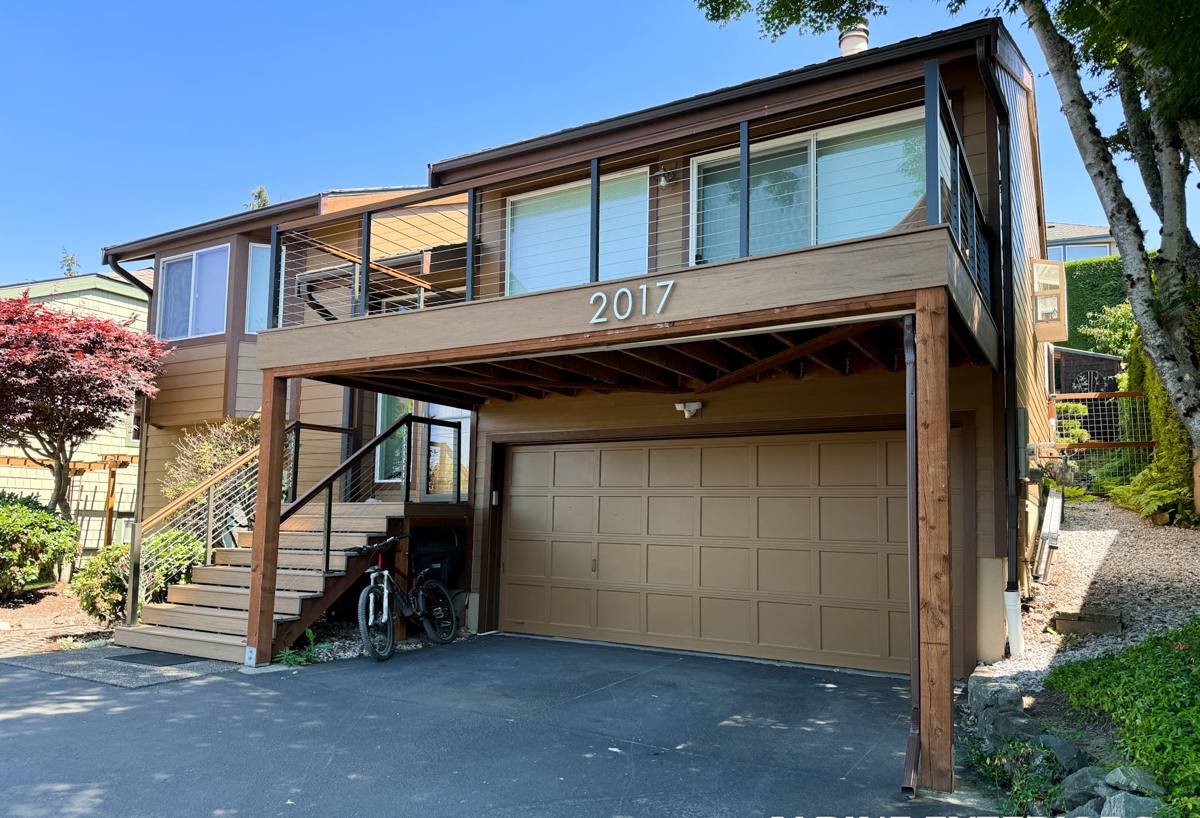
What the Barrier Island Climate Does to Siding Over Time
Homeowners who've lived on Indian Rocks Beach for any length of time already know their houses age differently than homes further inland. A few specific stressors are at work, and understanding them explains why some siding choices hold up and others don't.
Salt Air and Airborne Moisture
Constant proximity to the Gulf means a fine mist of salt is always in the air, settling on siding, trim, and fasteners. Over years, that salt exposure accelerates corrosion in metal components and speeds up the breakdown of materials that aren't engineered to resist it. It also holds moisture against the surface of the home longer than drier inland air would.
Year-Round, High-Intensity UV
Florida sun is strong everywhere, but a Gulf-front or near-Gulf property gets reflected UV off the water in addition to direct sun, with very little shade relief most of the year. Paint finishes that aren't factory-baked to resist UV tend to chalk, fade, and break down faster here than the same product would in a shadier, inland lot.
Wind-Driven Rain
During storms, rain on Indian Rocks Beach rarely falls straight down — it's pushed sideways by wind coming off open water, forcing water into every seam, lap, and penetration point in the siding system. A siding job that isn't detailed correctly around windows, doors, and trim will let that water in, and once it's behind the cladding, it doesn't dry out quickly in Florida's humidity.
Hurricane-Force Wind Loads
Pinellas County's building code accounts for high wind speeds, and barrier island exposure category ratings are typically more demanding than inland zones. Siding on an Indian Rocks Beach home needs to be rated, fastened, and installed to hold up under sustained high wind and wind-borne debris, not just look good on a calm day.
Why This Company Installs Only James Hardie Fiber Cement
We made a deliberate decision to install one siding system — James Hardie fiber cement — and nothing else, and the barrier island climate is exactly why. Vinyl siding can soften, warp, or crack under sustained high heat and direct sun, and its seams and panels are more vulnerable to wind-driven rain intrusion in a storm. Wood-based and primed wood siding products need diligent, ongoing maintenance to keep moisture out, which is a tough standard to keep up with in a climate this humid and salty; miss a maintenance cycle and rot or delamination can set in fast.
James Hardie fiber cement is engineered from cement, sand, and cellulose fibers — it doesn't absorb moisture the way wood-based products do, it's non-combustible, and its ColorPlus factory finish is baked on and warrantied against fading and peeling in a way field-applied paint isn't. It's also available in the HZ5 formulation, engineered specifically for the higher-moisture, higher-humidity climate zones that include Florida's Gulf Coast. That combination is why it's the only product we put on Indian Rocks Beach homes — not because every alternative is a bad product everywhere, but because of the specific trade-offs each one carries in this specific environment.
What a Correct Siding Replacement Involves
Siding replacement is not just stripping off the old material and nailing up new panels. Done right, it's a system — and every layer of that system matters more on a barrier island lot than it would inland.
Tear-Off and Substrate Inspection
Once the old siding is off, the sheathing underneath gets inspected for water damage, soft spots, and rot — especially around window and door openings, which are the most common points for past water intrusion on coastal homes. Any compromised substrate gets repaired before anything new goes up; installing new siding over damaged sheathing just hides a problem that will resurface.
Weather-Resistive Barrier and Flashing
A correctly lapped weather-resistive barrier, along with properly integrated flashing at windows, doors, and any roof-to-wall intersections, is what actually keeps wind-driven rain out of the wall assembly. This layer does more to prevent long-term water damage than the siding material itself — it's also the layer that's easiest for a rushed or inexperienced crew to get wrong.
Fastening and Installation to Manufacturer Spec
James Hardie publishes specific fastening patterns, clearances, and installation requirements for high-wind coastal zones, and those specs are what keep the siding attached and performing correctly through storm season. Corrosion-resistant fasteners matter here in particular, given how much salt is in the air.
Trim, Caulking, and Finish Details
The finish work — trim, corners, caulking at joints and penetrations — is where a lot of long-term performance is decided. Loose or poorly sealed joints are a direct path for wind-driven rain to get behind the siding.
| Factor | James Hardie Fiber Cement | Vinyl Siding | Wood-Based Siding |
|---|---|---|---|
| Salt air resistance | Engineered for coastal/humid climates (HZ5) | Can become brittle over time in salt exposure | Vulnerable without diligent upkeep |
| UV and fade resistance | Factory-baked ColorPlus finish, warrantied | Color can fade unevenly with intense sun | Field-applied finishes need frequent recoating |
| Wind-driven rain / moisture | Doesn't absorb moisture like wood fiber | Seams can allow intrusion under wind pressure | Prone to swelling, rot if moisture gets in |
| Maintenance burden | Low — periodic cleaning, no repainting cycle needed | Low, but limited repair options if damaged | High — regular painting/sealing required |
| Fire resistance | Non-combustible | Combustible | Combustible |
Choosing the Right Hardie Product Line for a Beach Home
James Hardie makes several siding profiles — lap siding, board and batten, and panel systems — and all of them are available in the HZ5 formulation appropriate for this climate zone. The right choice usually comes down to the home's architectural style rather than performance, since HZ5 handles the local climate regardless of profile. ColorPlus finishes come in a range of coastal-appropriate colors, and because the finish is factory-applied and color-matched, touch-up products are available for the rare nick or scratch instead of needing a full repaint down the road.
For homes closer to the Gulf-facing side of Indian Rocks Beach, we also pay closer attention to trim material and fastener selection, since that immediate zone sees the highest salt exposure on the island.
Our Process, From Estimate to Finished Job
We keep the process straightforward and communicate clearly at each stage, since a siding replacement is disruptive enough to a household without added uncertainty.
- Free on-site estimate and inspection of current siding, trim, and any visible substrate concerns
- Written proposal covering product line, color, scope of work, and timeline
- Tear-off of existing siding and full substrate inspection before new material goes up
- Repair of any damaged sheathing or framing found during tear-off
- Installation of weather-resistive barrier and flashing at all penetrations
- James Hardie fiber cement installation to manufacturer spec for this wind zone
- Trim, caulking, and finish detailing
- Final walkthrough and cleanup
What Drives the Cost of a Siding Replacement Here
Every home is different, so we don't quote pricing without seeing the property, but a few factors consistently affect the cost of a siding replacement on Indian Rocks Beach specifically.
| Cost Factor | Why It Matters |
|---|---|
| Home size and wall complexity | More square footage and more corners, gables, or dormers mean more material and labor |
| Condition of existing substrate | Water-damaged sheathing found during tear-off adds repair scope before new siding can go up |
| Siding profile and color selection | Lap, board and batten, and panel systems vary in material cost and installation time |
| Trim and fascia scope | Full trim replacement alongside siding adds cost but improves overall weather-tightness |
| Site access and logistics | Narrow lots, seawalls, and limited staging space common on barrier island properties can affect labor time |
Why Local Experience on Indian Rocks Beach Specifically Matters
General Florida siding experience isn't the same as barrier island experience. A crew that mostly works inland Pinellas County or Tampa Bay subdivisions isn't necessarily used to the exposure category, salt intrusion, and access challenges that come with a Gulf-adjacent lot like the ones on Indian Rocks Beach. Knowing which fastener spacing and flashing details actually hold up under sustained coastal wind — not just what's technically code-minimum — comes from having done the work in this exact environment repeatedly. It also means we already understand the permitting expectations and inspection standards Pinellas County applies to exterior work in this area, which keeps the project moving without avoidable delays.
If your Indian Rocks Beach home is due for a siding replacement, we'd be glad to take a look and give you a straightforward, no-pressure estimate — just fill out the form below to get started.