 Clearwater Siding
 Siding Repair for Safety Harbor Homes
Safety Harbor sits along Old Tampa Bay, tucked between Clearwater and the rest of Pinellas County, with a mix of older established homes and newer construction spread across quiet, tree-shaded streets. That bayfront location is part of what makes the town appealing — and part of what wears siding down faster than it would inland. Constant humidity, salt-laden air moving off the water, intense subtropical sun, and the wind-driven rain that comes with almost every summer storm system all put steady stress on the exterior of a house. Siding repair here isn't a cosmetic afterthought; it's how a home keeps its weather barrier intact.
This page focuses on one job, done right, in one area: repairing damaged or failing siding on Safety Harbor homes. We'll cover what actually causes the damage, how to tell repair from replacement, what correct fiber cement repair involves, and why it matters to hire a crew that already works this specific part of Pinellas County.
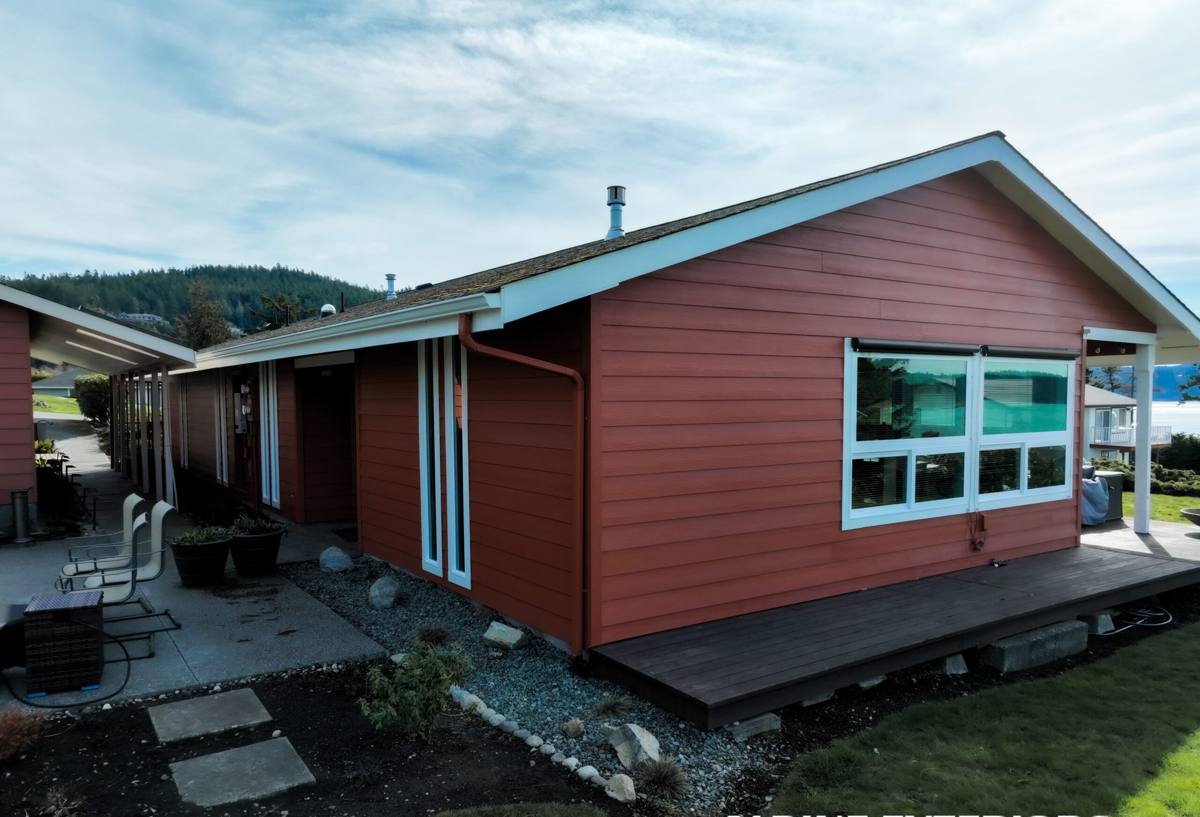
What's Actually Damaging Siding in Safety Harbor
Most siding failure isn't random — it follows a handful of predictable patterns tied directly to the local climate.
Salt Air and Moisture
Homes closer to Old Tampa Bay deal with airborne salt that accelerates corrosion on fasteners, trim, and any exposed metal flashing. Combined with Florida's year-round humidity, that moisture works into any gap in the siding envelope — seams, butt joints, and places where caulking has dried out and pulled away.
UV Exposure
Pinellas County gets strong, direct sun for most of the year. On lower-quality siding products, UV breaks down surface coatings, causing chalking, fading, and eventually cracking. Even on well-built products, factory finishes have a service life, and sun-facing walls show wear first.
Wind-Driven Rain and Storm Events
Summer storms and the occasional tropical system push rain sideways into siding at angles it wasn't always designed to shed. Wind gusts can also lift or crack panels, pop fasteners, or tear loose trim, especially on corners and gable ends where wind pressure concentrates.
Temperature Swings
Hot afternoons followed by cooler, humid evenings cause repeated expansion and contraction in siding materials and the caulking joints between them. Over years, that cycle is what opens up the small gaps that let water in.
Signs Your Siding Needs Repair
Catching damage early is almost always cheaper than waiting. Walk your exterior periodically and look for:
- Soft, spongy, or crumbling spots when pressed (a sign of moisture damage behind the surface)
- Visible cracks or splits, especially near corners, window trim, or seams
- Caulking that has shrunk, cracked, or separated from the siding edge
- Streaking or dark staining below joints, which usually points to water tracking behind the panel
- Bubbling, peeling, or chalking paint or factory finish
- Loose panels or trim that move or rattle in wind
- Visible fastener corrosion or rust streaks running down from nail heads
- Warping or bowing, particularly on sections that get direct afternoon sun
Any one of these on its own might be minor. Several together, or damage concentrated in one wall or corner, usually means water has been getting behind the siding for a while and the repair needs to address more than just the visible surface.
Repair or Replacement: How We Decide
Not every damaged section needs to come off the whole house. But repair only makes sense when the underlying structure and moisture barrier are still sound. Here's how we generally think about it:
| Situation | Repair Usually Works | Replacement Usually Needed |
|---|---|---|
| Damage location | Isolated to one or two sections | Spread across multiple walls or elevations |
| Underlying sheathing | Dry, solid, no rot | Soft, rotted, or water-stained |
| Product age | Mid-life, otherwise sound | Near or past expected service life |
| Cause | Impact damage, storm damage, isolated fastener failure | Long-term systemic moisture intrusion |
| Color match | ColorPlus or paint match available | Discontinued color with no reasonable match |
Part of every repair visit is a straightforward inspection: we check the siding itself, but also what's happening at the sheathing and house wrap behind it wherever damage suggests water has been getting through. Patching over hidden rot doesn't solve anything — it just hides the problem until it's worse and more expensive.
Why Fiber Cement Repair Isn't a Universal Skill
We install and repair James Hardie fiber cement exclusively — we don't work in vinyl, LP SmartSide, or other engineered wood siding, and we don't patch a Hardie board with whatever material happens to be on the truck. That matters for a repair job specifically, for a few reasons:
Matching Material Properties
Fiber cement expands, contracts, and fastens differently than vinyl or wood-based products. A patch made from a different material won't move the same way through Florida's heat and humidity cycles, which usually means the patch fails again — often faster than the original damage did.
Matching the Factory Finish
James Hardie's ColorPlus finish is baked on at the factory and holds color and texture in a way field-applied paint doesn't quite replicate. A correct repair uses Hardie's own touch-up products where the color line allows it, or plans the patch location so any finish difference is minimal and not glaring from the street.
Correct Fastening and Flashing
Hardie's installation specifications call for specific fastener types, spacing, and clearances, along with correct flashing detail at joints, corners, and penetrations. A repair that doesn't follow those specs might look fine for a season and then fail at the first hard rain, because the water management detail underneath was never actually restored.
Our Safety Harbor Repair Process
A repair job runs differently than a full re-side, but it still deserves a real process, not a rushed patch:
- Inspection: We look at the damaged area and the surrounding siding, checking for hidden moisture or soft sheathing before quoting anything.
- Scope decision: We tell you honestly whether the damage is isolated enough to repair, or whether it's a sign of a bigger problem that repair alone won't fix.
- Material sourcing: We match board profile, exposure, and color as closely as the current James Hardie product line allows.
- Removal: Damaged sections are cut out cleanly, and anything behind them — house wrap, flashing, sheathing — gets inspected and repaired if needed.
- Installation: New material goes in to Hardie's fastening and clearance specifications, with correct flashing and sealant at every joint.
- Finish and cleanup: Touch-up or color-matching work is done last, and the site is cleaned of debris and old material.
Why Hiring a Crew That Already Works Safety Harbor Matters
Siding repair isn't just a materials question — it's a logistics and local-knowledge question too. A crew that regularly works Safety Harbor and the surrounding Clearwater and Pinellas County area brings a few practical advantages:
- Faster response after storms. When wind or hail damages siding across a neighborhood, a local crew already scheduling jobs nearby can typically get to your home sooner than one dispatching from farther away.
- Familiarity with local permitting. Exterior work in Pinellas County jurisdictions often requires permits, and knowing the process ahead of time keeps a repair job from stalling.
- Realistic expectations about materials. A crew that's repaired homes in this area knows which color lines and profiles are still current and which will need a closer color match strategy.
- Accountability. A contractor based in and around Clearwater has a reputation to maintain in the community — that's a real incentive to do the job correctly the first time.
Cost Factors for Siding Repair
Every repair is different, but the same variables tend to drive the price up or down:
| Factor | Why It Matters |
|---|---|
| Size and number of damaged sections | More cutting, matching, and installation labor |
| Hidden moisture damage | May require sheathing or house wrap repair, not just new siding |
| Color and profile availability | Discontinued colors may need repainting a larger area for a clean match |
| Height and access | Second-story or hard-to-reach sections take more time and equipment |
| Trim and flashing involvement | Corners, windows, and penetrations add detail work beyond flat panel repair |
We give straightforward, honest quotes after an in-person look — not a number pulled from a phone call, since the real cost drivers usually aren't visible from photos alone.
Keeping Repaired Siding in Good Shape
Once a repair is done, a little upkeep goes a long way toward making sure it's the last repair that section of wall needs for a while:
- Rinse salt residue off exterior walls periodically, especially on sides facing the water
- Keep gutters and downspouts clear so water isn't sheeting down the siding face
- Trim back landscaping that holds moisture against the wall
- Re-caulk joints as they show early signs of shrinking or cracking, rather than waiting
- Walk the exterior after any significant storm to catch new damage early
If you're seeing damage, staining, or loose sections on your Safety Harbor home's siding, we're glad to take a look and give you a straight answer about whether it's a repair or something bigger — no pressure, no upsell. Reach out for a free estimate using the form below.