 Clearwater Siding
 Why Palm Harbor Siding Takes a Beating
Palm Harbor sits in Pinellas County, close enough to the Gulf that its homes deal with a tougher combination of stressors than most inland Florida communities. Hurricane-force wind events, wind-driven rain that gets pushed sideways under normal flashing, intense year-round UV exposure, and salt-laden air off the coast all work on exterior siding at the same time, not one at a time. That combination is why siding problems in this area rarely show up as a single, isolated issue — a crack from wind-blown debris becomes a moisture entry point, moisture behind the panel breeds rot or mold in the substrate, and UV exposure accelerates the breakdown of caulk and paint that would otherwise keep water out.
Siding repair here isn't just cosmetic patchwork. Done correctly, it's an inspection of what's happening behind the panel as much as what's visible on the surface. Done poorly — caulk smeared over a crack, a mismatched patch nailed over rot — it hides a problem instead of fixing it, and the homeowner finds out later, usually after the damage has spread to sheathing or framing.
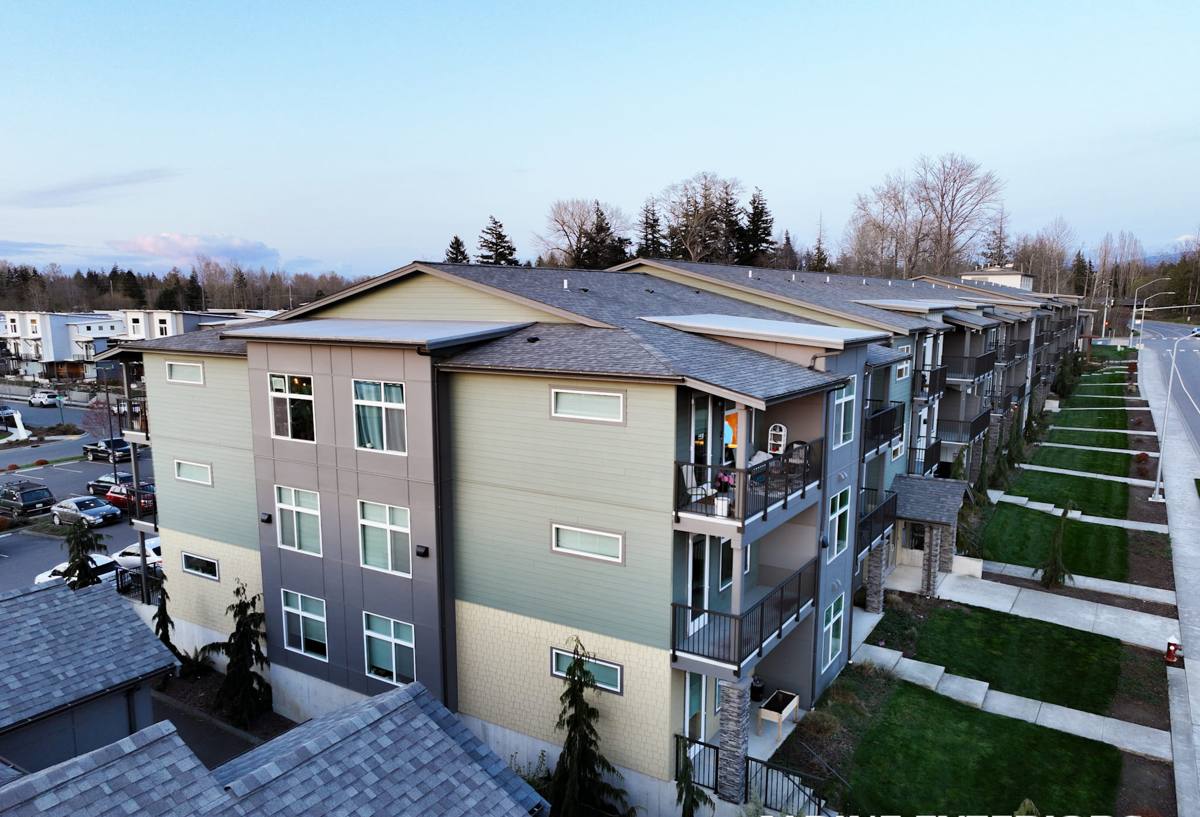
Signs a Palm Harbor Home Needs Siding Repair
Some damage is obvious right after a storm. Other damage builds slowly over months of sun and salt exposure and is easy to miss until it's serious. Homeowners in this area should watch for both.
- Cracked, split, or visibly bowed siding panels, especially on the sides of the house that face prevailing wind and rain
- Soft or spongy spots when you press on the siding near the bottom edge or around windows and doors
- Staining, streaking, or a chalky white residue, which can point to trapped moisture or breaking-down coatings
- Gaps opening up at seams, corners, or trim where caulking has shrunk or failed in the sun
- Nails backing out or fastener heads visible through the surface, a sign the panel has been moving
- Peeling or fading paint that's uneven across the house, often worse on south- and west-facing walls
- Any bubbling, warping, or delamination, particularly after a named storm or a season of heavy wind-driven rain
- A musty smell or unexplained humidity inside near an exterior wall, which can mean water has already gotten past the siding
Damage That Looks Minor but Isn't
The trickiest cases are small punctures or hairline cracks from flying debris during a windstorm. They look minor from the ground, but they give wind-driven rain a direct path behind the panel. In a climate where storms roll through repeatedly over a season, a quarter-inch gap left unrepaired can turn into a rotted section of wall sheathing by the time it's finally noticed.
What a Correct Siding Repair Actually Involves
A proper repair is more than replacing what's broken and moving on. It starts with figuring out why the damage happened and whether the underlying water-resistive barrier, flashing, and fasteners are still doing their job.
Diagnosing Before Patching
Before any panel comes off, a correct repair process checks the house wrap or building paper behind the siding, the flashing around windows, doors, and penetrations, and the condition of the sheathing itself. If moisture has already reached the substrate, replacing the visible siding without addressing what's underneath just resets the clock on the same failure.
Matching Materials and Fastening
Replacement sections need to match the existing siding's profile, reveal, and fastening pattern so the repaired area performs the same as the rest of the wall — not just look similar from the curb. Fasteners matter too: the wrong nail spacing or the wrong fastener type can leave a repaired section more vulnerable to wind uplift than it was before.
Common Repair Scenarios in This Area
Most of the repair calls we see in the Palm Harbor area fall into a few categories: impact damage from storm debris, moisture damage at the bottom courses or around poorly flashed penetrations, failed caulking and sealant at trim and seams, and fastener problems where panels have worked loose over time from repeated wind loading. Each of these has a different fix, and treating them all the same way is how repairs fail early.
Repair or Replace? How We Make the Call
Not every damaged section needs a full re-side, but not every problem is safe to patch, either. The honest answer depends on how much of the house is affected and what's happening behind the surface.
| Factor | Repair Usually Makes Sense | Replacement Usually Makes More Sense |
|---|---|---|
| Extent of damage | Isolated to one or a few panels/areas | Spread across multiple walls or the whole house |
| Moisture behind siding | Substrate is dry and sound | Sheathing shows rot, softness, or widespread staining |
| Age of existing siding | Siding is younger and otherwise in good shape | Siding is near or past its expected service life |
| Material on the house | Existing material can be matched and repaired soundly | Existing material has ongoing maintenance or moisture issues site-wide |
| Storm history | Single, identifiable event caused the damage | Repeated storm cycles have left cumulative, widespread wear |
We'll tell you plainly which side of that table your home falls on. If a repair is the right call, we do a repair. We don't push a full re-side on a homeowner who doesn't need one.
Why We Only Repair and Install James Hardie Fiber Cement
We install exclusively James Hardie fiber cement siding, and that standard shapes how we approach repairs too. Fiber cement doesn't absorb and swell with moisture the way some other siding materials can, and it's non-combustible, which matters to a lot of homeowners regardless of climate. When we're repairing a Hardie-clad home, we're working with a product engineered for exactly the conditions Palm Harbor deals with — Hardie's HZ5 product line, in particular, is engineered for hot, humid, high-moisture climates like Florida's Gulf Coast.
We won't graft vinyl, LP SmartSide, or other wood-based siding patches onto a home just to make a quick repair — mixing materials on a wall creates different expansion rates, different moisture behavior, and a maintenance headache down the road. If your home already has James Hardie siding, we can typically match ColorPlus factory-finished panels closely because Hardie's finish system is designed for long-term color consistency. If your home has a different siding material entirely, we'll give you a straight answer about whether a like-for-like patch is realistic or whether it's time to talk about a Hardie replacement instead.
Our Siding Repair Process
- Inspection. We look at the damaged area and the surrounding sections, checking fasteners, seams, flashing, and — where accessible — what's happening behind the panel.
- Diagnosis. We identify the actual cause: impact, wind, moisture intrusion, failed sealant, or fastener failure, so the repair addresses the source, not just the symptom.
- Honest scope. We tell you whether this is a contained repair or whether the damage has spread far enough that replacement is the more responsible path.
- Repair. Damaged sections are removed, the substrate and barrier are checked and corrected if needed, and matching material is installed to Hardie's fastening and clearance specifications.
- Sealing and finish. Seams, trim, and penetrations are properly sealed and finished so the repaired section performs — not just looks — like the rest of the wall.
Why a Crew That Already Works in Palm Harbor Matters
Siding repair in a coastal Pinellas County community isn't the same job as siding repair somewhere inland. A crew that regularly works in Palm Harbor already knows how salt air accelerates fastener corrosion, how wind-driven rain finds its way past standard flashing details, and how intense year-round Florida sun shortens the life of caulking and coatings faster than it would further north. That local experience shows up in small decisions — fastener choice, sealant selection, how tight a repair schedule needs to be ahead of storm season — that a crew unfamiliar with the area might not think to make.
It also matters for timing. Homeowners in this area often want repairs handled quickly before or after a storm event, and a crew that already knows the local permitting and inspection expectations can move without the delays that come from learning them on the fly.
Maintaining Your Siding After a Repair
A good repair should hold up, but a little upkeep protects the investment. Rinse salt residue off the siding periodically, especially on walls that face the water or catch prevailing wind. Keep an eye on caulking at trim and seams, since Florida sun ages sealants faster than milder climates. Trim back vegetation that holds moisture against the wall, and after any significant storm, do a quick visual check of the areas most exposed to wind and rain. Catching a small issue early is always easier — and cheaper — than catching it after a season of neglect.
If you're seeing any of the warning signs above, or you just want a second opinion on a repair someone else already told you that you need, we're happy to take a look. We offer free, no-pressure estimates for Palm Harbor homeowners — no obligation, just a straight answer about what your siding actually needs.