 Clearwater Siding
 Why Decks in Harbor Oaks Wear Out Faster Than People Expect
Harbor Oaks is one of Clearwater's older, established neighborhoods, with mature tree canopy and close proximity to the water. That combination is beautiful to live in and hard on an exposed wood or composite structure. A deck here isn't just dealing with rain — it's dealing with salt-laden air drifting in off the harbor, near-constant UV exposure most of the year, wind-driven rain that gets pushed sideways under railings and into seams, and the occasional hurricane-force gust that tests every fastener and connection point. Add in shade and humidity from established trees, which slows drying time after a storm, and you have a set of conditions that ages a deck well before its structural lifespan should be up.
Most of the deck failures we see in this part of Pinellas County aren't dramatic. They're slow: a ledger board that's been trapping moisture for years, joists that were never flashed correctly, fasteners that corroded from the inside out. By the time it's visibly sagging or soft underfoot, the problem has usually been building for a long time.
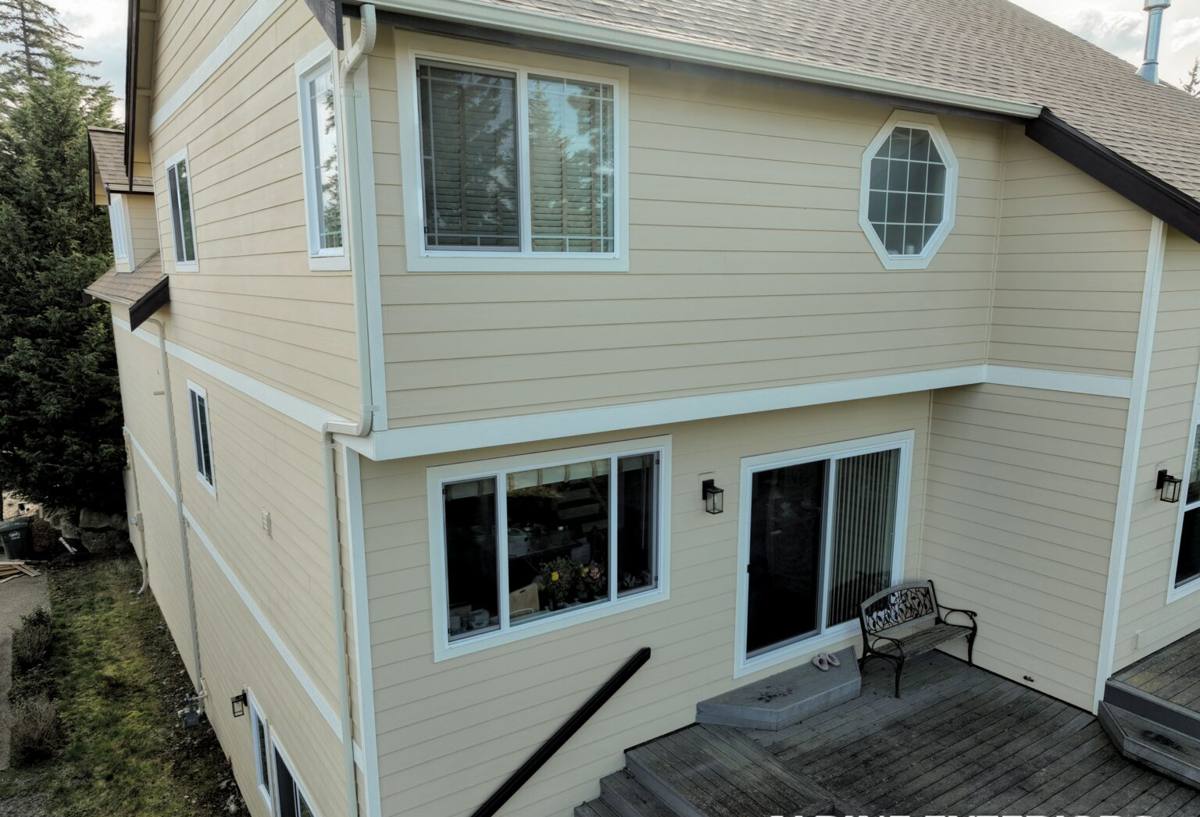
What Harbor Oaks Homes Specifically Need From a Deck
Because many homes in this neighborhood are older builds that have been added onto, updated, or renovated over the years, a deck replacement here often has to work around framing, elevation, and drainage decisions that were made decades ago. That means a correct replacement isn't just "tear off the old boards and put down new ones" — it usually starts with an honest look at what's underneath.
- Ledger board attachment to the house and whether it's properly flashed to shed water away from the structure
- Footing depth and condition, especially on older homes where original footings may not meet current wind and load standards
- Drainage and grading underneath the deck, so water doesn't pool against the foundation
- Fastener and hardware corrosion, which shows up faster this close to the water
- Railing and stair connections, which take direct wind load during storms
Skipping this step is the single most common reason a "new" deck fails early. New boards on a compromised frame just hides the problem for a few more years.
Signs Your Deck Needs Replacing, Not Just Repairing
Not every deck problem means a full replacement. But there's a point where patching individual boards stops being worth it. Here's what tells us a deck has crossed that line:
- Soft, spongy, or bouncy spots in the decking surface, especially near the house
- Visible rot or discoloration at the ledger board where the deck meets the house
- Railing posts that wiggle or flex when pushed, not just the top rail
- Rust streaks running down from screws or bolts, which usually means the fastener is failing underneath
- Gaps opening up between boards that weren't there when the deck was built
- Stairs that feel uneven or have visibly shifted at the base
- A deck that's more than 15-20 years old and has never had the substructure inspected
If you're seeing two or more of these, it's worth having someone look at the framing before spending money on surface repairs.
Why "It Still Looks Fine" Isn't Enough
Salt air and UV degrade wood and hardware from the outside in, but structural failure usually starts from the inside out — moisture trapped where boards meet framing, or where fasteners penetrate wet wood. A deck can look presentable and still have a compromised ledger connection or corroded joist hangers underneath. This is exactly why we check the structure before we talk about materials.
Decking Material Options for This Climate
There's no single "best" decking material — there's a best fit for your budget, how the deck is used, and how much upkeep you want to do. Here's an honest comparison for Clearwater's conditions:
| Material | How It Handles Salt Air & UV | Maintenance | Typical Lifespan Here |
|---|---|---|---|
| Pressure-treated wood | Needs sealing regularly or salt air and UV will gray and check the surface | Annual cleaning and re-sealing recommended | 10-15 years with upkeep |
| Composite decking | Resists UV fading and moisture well; color is baked in rather than surface-applied | Periodic washing, no sealing or staining | 20-30 years |
| PVC/capped polymer | Fully sealed surface, strong resistance to moisture and salt exposure | Low; occasional cleaning | 25-30+ years |
| Tropical hardwoods | Naturally dense and rot-resistant, but still needs oiling to prevent graying | Regular oiling to maintain appearance | 20-25 years with upkeep |
We install all of these depending on what a homeowner wants. Where we're more selective is with certain composite and wood-alternative products that have a track record of moisture intrusion at board ends or fastener points when installed without the right ventilation gaps and edge treatment — in those cases we'll talk through the trade-offs and installation requirements up front rather than let a shortcut install create a warranty headache down the line.
What a Correct Deck Replacement Actually Involves
The Substructure
This is where most of the long-term durability comes from. Correct footing depth for Pinellas County soil and frost-free conditions, joists sized and spaced for the load, hardware rated for exterior and coastal use, and a ledger board that's properly bolted and flashed so water can't work its way into the house framing. This part of the job is invisible once decking goes down, which is exactly why it can't be rushed.
The Decking Surface
Board selection, fastening method (hidden fasteners vs. face screws), and gap spacing all matter more here than in drier, cooler climates. Boards need room to expand and contract with heat and humidity, and end cuts on composite or wood products need to be sealed or capped so moisture can't wick in from the cut edge.
Railings and Stairs
Railings take direct wind load in a storm, and they're also the number one thing building inspectors and insurers look at for code compliance. Post spacing, baluster gaps, and attachment method all need to meet current code — not just "look like the old one."
Hardware and Fasteners
This close to the water, standard galvanized hardware corrodes faster than it would inland. We use fasteners and connectors rated for coastal or marine-grade exposure on every replacement, because this is one of the cheapest parts of the job to do right and one of the most expensive to fix later.
Permitting and Code in Clearwater and Pinellas County
Deck replacements in Clearwater generally require a permit, and the specifics depend on the size, height, and attachment method of the deck. Pinellas County's building code accounts for high wind loads given our hurricane exposure, which affects footing depth, post sizing, and railing attachment requirements. If your property is close to the water, elevation and flood zone considerations can also come into play. We handle the permitting process as part of the job, but it's worth knowing going in that a legitimate replacement isn't a weekend, no-permit project if it involves structural work — and skipping that step can create real problems at resale or with insurance.
Our Process
- Inspection. We look at the existing deck's framing, ledger connection, footings, and hardware condition, not just the surface boards.
- Honest assessment. We'll tell you if repair is a reasonable option, or if replacement is the better long-term value — and explain why.
- Material and design discussion. We walk through decking material options, railing style, and layout based on how you actually use the space.
- Permitting. We pull the necessary permits and handle inspections with the city or county.
- Demo and structural rebuild. Old decking and any compromised framing come out; footings, joists, and ledger connections are rebuilt to current code.
- Decking, railing, and finish work. Surface materials go down with proper spacing, fastening, and edge treatment for our climate.
- Final walkthrough. We go over the finished deck with you before calling the job done.
Why It Matters to Hire a Crew That Already Works in Harbor Oaks
A neighborhood like Harbor Oaks has its own practical realities — mature trees that limit equipment access and staging space, older homes where the existing structure doesn't always match what current code assumes, and a mix of lot layouts that don't leave much room for error on setback or footing placement. A crew that's already worked in the area knows how to plan around narrow access points, protect landscaping during demo, and anticipate the kind of framing surprises that show up once old decking comes off older Clearwater homes.
It also matters for something less obvious: permitting and inspection turnaround. A contractor who regularly pulls permits with the City of Clearwater and works within Pinellas County's wind and coastal code requirements moves through that process faster and with fewer surprises than one seeing it for the first time.
If you're weighing a deck replacement in Harbor Oaks, we're happy to come take a look and give you a straight answer on what your deck actually needs — whether that's a full rebuild or something less involved. The estimate is free, there's no pressure, and you'll get a clear explanation of what we find, not just a number.