 Clearwater Siding
 Why Belleair Bluffs Siding Takes a Beating
Belleair Bluffs sits along the elevated coastal terrain between Clearwater and Largo, close enough to Old Tampa Bay and the Intracoastal Waterway that salt-laden air is a constant presence on exterior surfaces. That elevation gives many homes here open exposure to wind that flat, inland lots don't get — which matters when a tropical system or a strong summer squall rolls through Pinellas County. Add in Florida's year-round UV load and the wind-driven rain that comes with almost every serious storm, and you have a combination that ages siding faster here than it does in milder climates.
None of that means siding fails quickly. It means siding that isn't installed, flashed, or maintained correctly starts showing problems years before it should. Most of the repair calls we run in this area trace back to one of those three root causes, not simple old age.
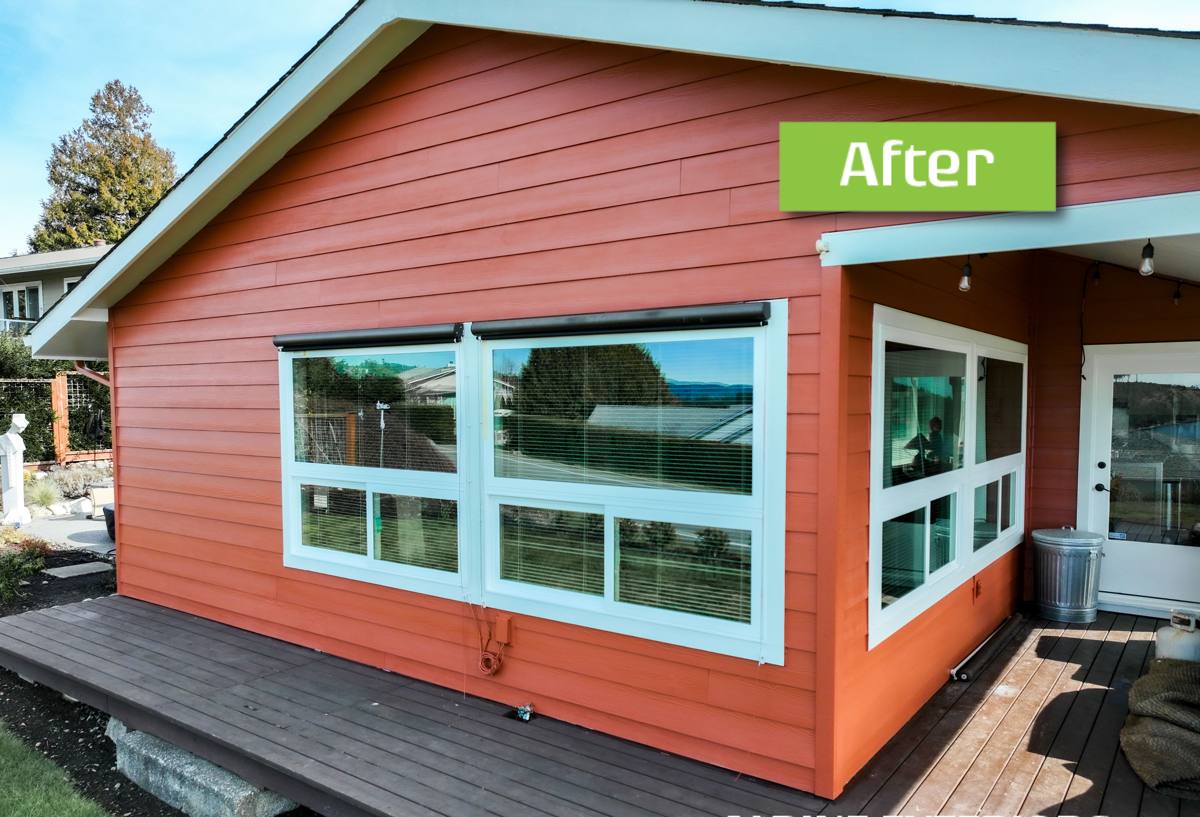
Common Siding Repair Issues We Find in Belleair Bluffs Homes
The repair issues we see locally tend to cluster around moisture and wind, not cosmetic wear alone. The most frequent ones include:
- Buckled or warped panels from moisture trapped behind the siding, often at poorly flashed windows or roof lines
- Cracked or split boards from wind-borne debris impact during storms
- Soft or delaminating material where water has been getting behind the cladding for a long period, sometimes discovered only when a board is pulled
- Failed caulking and open seams at trim, corners, and butt joints, which let wind-driven rain in during heavy weather
- Nail pops and loose panels where fasteners have backed out from repeated expansion and contraction in the heat
- Chalking, fading, or peeling paint film on older or non-factory-finished siding exposed to intense sun
On homes with wood or engineered wood siding, we also see rot at the bottom courses and around penetrations — areas that stay damp longer after wind-driven rain. That's a different repair conversation than a cracked fiber cement panel, and it usually means more of the wall assembly needs attention, not just the visible board.
What a Proper Siding Repair Actually Involves
A siding repair that just swaps a damaged board for a new one and caulks the edges is a cosmetic fix, not a real repair. Done correctly, a repair starts with figuring out why the damage happened, not just where it is.
Diagnosis Before Demolition
We remove enough siding to see the condition of the water-resistive barrier, flashing, and sheathing underneath — not just the piece that's visibly cracked or stained. If moisture has been getting behind the cladding, the damaged board is often a symptom, and the real problem is a flashing detail or a caulk joint that failed months or years earlier.
Matching Material and Finish
Replacement pieces need to match the existing siding's profile, reveal, and finish closely enough that the repair doesn't stand out as a patch. This is easier when the original installation used a consistent, factory-finished product; it's much harder on older homes with site-painted or discontinued siding, where an exact color and texture match may not be possible.
Correct Flashing and Sealant Work
Every repair is an opportunity to fix the detail that likely caused the failure — proper head flashing above windows and doors, correct lapping at horizontal seams, and sealant rated for exterior use applied at the right joints, not everywhere. Over-caulking a wall can trap moisture just as badly as under-caulking it.
Repair or Replace? How We Help You Decide
Not every damaged area needs a full re-side, and not every repair is worth doing if the underlying siding is near the end of its service life. We walk homeowners through the same factors every time:
| Factor | Repair Usually Makes Sense | Replacement Usually Makes Sense |
|---|---|---|
| Extent of damage | Isolated to one or two wall sections | Recurring issues across multiple elevations |
| Cause | Single event — impact, storm debris | Systemic moisture intrusion or original installation defects |
| Age of existing siding | Siding is well within its expected service life | Siding is already near or past typical lifespan |
| Material match | Replacement material is readily available and matches | Product is discontinued or the finish can't be matched |
| Underlying wall condition | Sheathing and barrier are sound once opened up | Rot or water damage extends beyond the visible area |
We'll always tell you honestly which side of that table your home falls on. If a targeted repair will hold up, that's what we recommend and price — there's no reason to sell a full replacement when it isn't warranted.
Our Siding Repair Process for Belleair Bluffs Homeowners
- On-site assessment. We inspect the damaged area and the surrounding wall, checking for hidden moisture, not just the visible symptom.
- Written scope and estimate. You get a clear explanation of what's being repaired, why, and what it involves — no vague line items.
- Careful removal. Damaged siding and any compromised trim or flashing come off without unnecessary disruption to sound material nearby.
- Barrier and flashing correction. Any underlying issue that caused the failure gets fixed before new siding goes back on.
- Reinstallation to spec. New material is installed with correct fastening, clearances, and sealant — matched as closely as possible to the existing siding.
- Final walkthrough. We review the completed work with you before we consider the job done.
Why We Repair With James Hardie Fiber Cement
This company installs James Hardie fiber cement exclusively — we don't install vinyl, LP SmartSide, or unprimed wood siding, and that standard carries through to repair work. When we're patching into an existing Hardie wall, we use genuine Hardie boards and trim so the repaired section matches the factory ColorPlus finish, the panel profile, and the manufacturer's warranty terms, rather than introducing a different product into the wall assembly.
When a homeowner is repairing a different material — vinyl that's brittle and faded, painted wood that's rotting, or an engineered wood product with moisture damage — we'll do an honest, direct repair where it makes sense. But we'll also be straight about the trade-offs: vinyl color fades unevenly over time and exact matches get harder every year after installation; site-painted wood needs ongoing maintenance to keep water out at every seam; and once any siding material has widespread moisture damage, patching it usually buys a few years, not a permanent fix. That's part of why, when a homeowner is facing a full re-side rather than a spot repair, we recommend Hardie fiber cement: it's non-combustible, engineered for Gulf Coast humidity and salt exposure, and backed by a factory finish and warranty that doesn't depend on how well a repair blends in ten years from now.
Why a Local Clearwater-Area Crew Matters
Siding repair is detail work, and the details that matter in Belleair Bluffs aren't identical to the details that matter across every ZIP code in the state. A crew that already works this stretch of Pinellas County knows how storms typically hit here, understands the permitting process with the local building department, and has seen how homes in this area — older construction alongside newer builds — tend to be put together.
That local familiarity shows up in practical ways: knowing which flashing details tend to fail first on homes built in a certain era, being available quickly after a storm when demand for repairs spikes across the county, and being straightforward about realistic timelines instead of overpromising. It also means we're a known, findable business in the community — not a crew that shows up once and is unreachable if a question comes up later.
Keeping a Repair Lasting After We Leave
A correct repair should hold up for years, but a little homeowner attention extends that further, especially in a coastal climate that doesn't let up:
- Rinse salt residue off exterior walls periodically, especially on sides facing the water or prevailing wind
- Walk the exterior after any significant storm and look for new cracks, loose panels, or open seams
- Keep sprinklers and irrigation heads from spraying directly on siding, which accelerates wear at the bottom courses
- Have caulking and sealant joints checked every couple of years — they're a maintenance item, not a one-time install
- Address small issues promptly; a small crack or gap left alone through hurricane season becomes a bigger repair
If you're noticing cracked, buckled, or damaged siding on a Belleair Bluffs home, we're glad to take a look and give you a straight assessment of what's actually going on and what it will take to fix it right. Request a free, no-pressure estimate using the form below.