 Clearwater Siding
 Island Estates: A Waterfront Address With Its Own Siding Demands
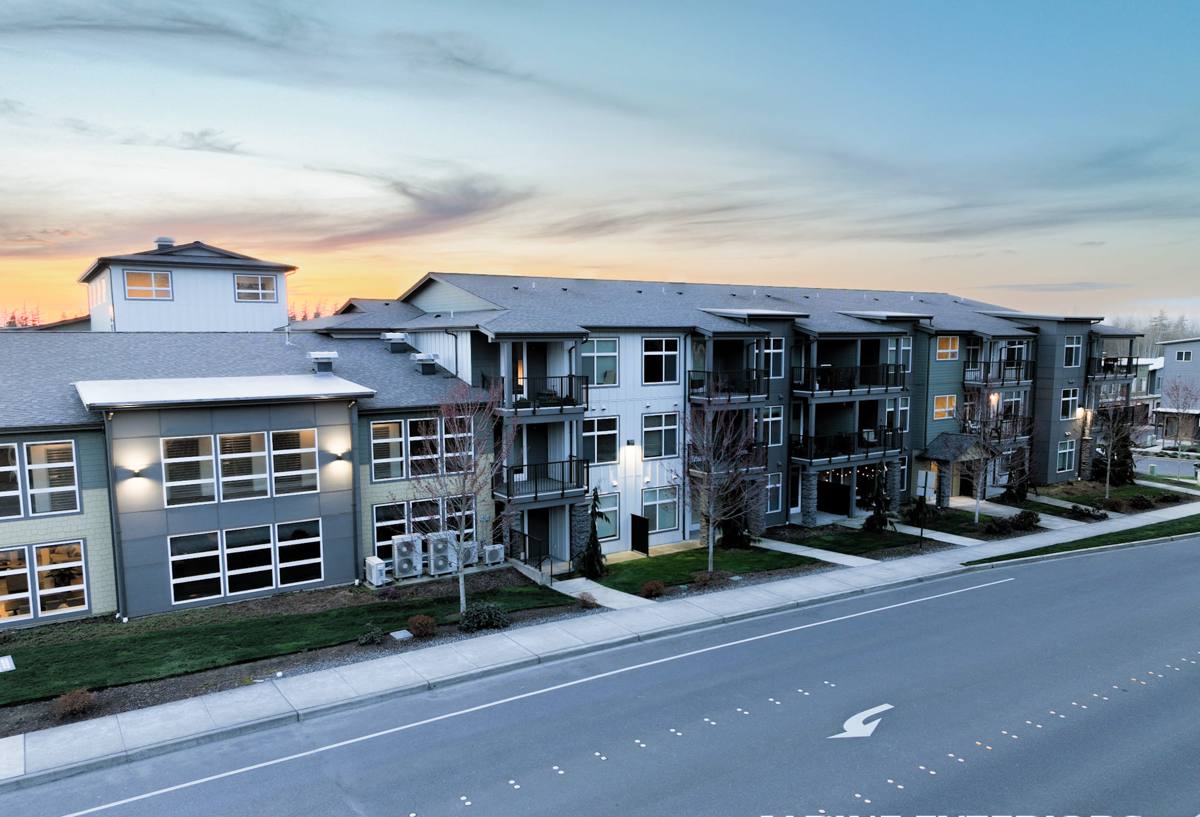
Island Estates sits on the water, connected to the mainland and to Clearwater Beach by bridge, with homes lining canals and open water. That waterfront position is part of what makes the neighborhood desirable — and it's also exactly why siding here works harder than siding a mile inland. Homes on or near open water take on salt-laden air almost daily, catch wind gusts with nothing to break them before they hit the exterior wall, and sit under the same brutal Florida sun as the rest of Pinellas County, just with less shade cover from mature tree canopy in many cases. Any siding product installed on an Island Estates home needs to be chosen and installed with that specific combination in mind, not just "what's code minimum for Clearwater."
We work in this neighborhood regularly, which means we already know what tends to fail here first, where builders in this area have historically cut corners, and what a siding system actually needs to survive a waterfront exposure for decades instead of years.
What Salt Air, Wind, and UV Actually Do to Exterior Siding
Salt Air and Corrosion
Airborne salt doesn't just sit on the surface of your siding — it works its way into fasteners, trim joints, and any exposed raw edge of the material. Over time it accelerates corrosion of metal fasteners and flashing, and it degrades finishes that aren't formulated to resist it. On a waterfront property like most of Island Estates, this isn't an occasional concern, it's a constant, low-level chemical stress on the whole exterior.
Wind-Driven Rain
Pinellas County sees storms that don't just drop rain straight down — wind pushes it sideways, up under laps, and into any gap in the siding system. A siding job that looks fine in dry weather can still let water behind the cladding during a wind-driven event if the water-resistive barrier, flashing, and lap details weren't done correctly. Once moisture gets behind siding on a coastal property, it has salt air and heat working against it drying back out.
Year-Round UV Exposure
Florida's UV load is intense essentially twelve months a year. Paint finishes that aren't engineered for it chalk, fade, and break down faster here than almost anywhere else in the country. On a home with open water exposure and no shade break, that UV stress is often more severe than what a similar home a few miles inland experiences.
What a Correct Siding Installation Involves
"Correct" isn't just nailing panels to the wall. On a waterfront home, every layer underneath the visible siding matters as much as the siding itself.
Tear-Off and Substrate Inspection
Old siding comes off and the sheathing underneath gets inspected for rot, delamination, or prior water damage — problems that are common to find once old siding is removed on canal-front homes and that have to be addressed before anything new goes up.
Water-Resistive Barrier
A continuous, properly lapped weather barrier goes over the sheathing. This is the layer that actually keeps incidental moisture out of the wall assembly if wind-driven rain gets past the siding surface — it is not optional and it is not interchangeable with "whatever's cheapest."
Flashing at Every Penetration
Windows, doors, hose bibs, vents, and any other wall penetration need properly integrated flashing, not just a bead of caulk. Caulk fails; correctly lapped flashing sheds water by design and keeps working long after caulk has dried out and cracked.
Fastening Schedule
Fastener type, spacing, and embedment need to match both the manufacturer's specification and the local wind exposure. Under-fastened siding is one of the more common failure points we find on homes near open water, where sustained gusts put more lateral load on the cladding than an inland install ever sees.
Finished Caulking and Trim Detail
Joints, corners, and trim transitions get sealed with a sealant rated for exterior movement and UV exposure, applied to manufacturer spec — not just wherever a gap happens to show.
Why We Install Only James Hardie Fiber Cement on Island Estates Homes
We made a decision as a company to install James Hardie fiber cement siding exclusively. We don't install vinyl, LP SmartSide, Cemplank, Allura, or raw wood siding like primed spruce or cedar, and on a property like an Island Estates home, that decision matters more than it might inland.
Fiber cement is non-combustible and dimensionally stable in heat and humidity in a way vinyl simply isn't — vinyl softens, warps, and can distort in sustained high heat and strong wind loading, which is a real consideration on an exposed waterfront lot. Wood products, even engineered ones, carry ongoing moisture and pest vulnerability that's harder to manage in a humid, salt-air environment. Hardie's HardieZone system specifically engineers products for different climate exposures, and HZ5 — the zone that covers this part of Florida — is formulated for high humidity and moisture exposure. Combined with Hardie's factory-applied ColorPlus finish, which is baked on and warranted against fading and chipping rather than field-painted, you get a finish built for the UV load this neighborhood actually experiences, not a generic national spec. It also carries a strong transferable warranty, which matters on a coastal property where buyers pay close attention to exterior condition and documentation.
We're not going to tell you every other product is worthless — vinyl and engineered wood have real markets and real advantages elsewhere. But for what an Island Estates home is exposed to day in and day out, we don't think they hold up as well as Hardie does, and we'd rather turn down installing a product we don't trust for this environment than install it and watch it underperform in five years.
Our Process From Estimate to Finished Job
- On-site assessment — we walk the exterior, check for existing moisture damage, and evaluate wind and salt exposure specific to the lot's position on the water.
- Written estimate — scope, product line, and color options laid out clearly, no vague allowances.
- Tear-off and substrate repair — old cladding removed, sheathing repaired or replaced as needed before anything new goes up.
- Weather barrier and flashing installation — the layer that does the real waterproofing work, installed before a single piece of visible siding.
- James Hardie installation — panels, planks, or shingle-style siding installed to manufacturer fastening spec for this wind exposure.
- Trim, caulking, and final inspection — every joint sealed correctly, full walkaround before we call it done.
Comparing Siding Options for a Barrier Island Climate
| Factor | James Hardie Fiber Cement | Vinyl | Untreated Wood |
|---|---|---|---|
| Salt air resistance | Strong — non-organic, factory-finished | Moderate — can become brittle over time | Weak — absorbs moisture and salt |
| High-wind performance | Rated for wind exposure per HZ5 spec | Can warp or detach under sustained gusts | Fasteners loosen with wood movement |
| UV / fade resistance | ColorPlus finish, factory warranted | Fades and chalks over time | Requires repainting every few years |
| Combustibility | Non-combustible | Combustible | Combustible |
| Typical maintenance | Periodic wash, caulk check | Low, but limited repair options | Regular repainting/sealing required |
Signs Your Current Siding Is Already Failing
- Visible warping, buckling, or gaps between panels, especially on the sides facing open water
- Soft or spongy spots when you press on the siding near the base of the wall
- Paint or finish that's chalking, peeling, or has faded unevenly
- Rust streaks near fasteners or trim joints
- Interior signs like peeling paint, musty odor, or discoloration on walls that back up to exterior siding
- Caulking that's cracked, shrunk, or pulled away from joints and corners
Choosing a Crew That Actually Works This Neighborhood
A crew that's installed siding across Island Estates and similar Clearwater waterfront neighborhoods knows things a crew coming from strictly inland jobs doesn't — how much more aggressively salt air attacks fasteners here, which fastening schedules actually hold up to open-water wind, and where prior installs in this kind of environment tend to have skipped steps that only show up as problems years later. When you're vetting a contractor for a job like this, ask directly about their experience with coastal or waterfront installs, ask what water-resistive barrier and flashing details they use, and ask them to explain — specifically — why they recommend the product they're proposing for your exposure. A contractor who can't answer that clearly is guessing, and on a home exposed to this much wind and salt, that's not a good place to guess.
Maintenance After Installation
Correctly installed James Hardie siding is low-maintenance, not no-maintenance. On a waterfront home we recommend periodically rinsing the exterior to clear salt buildup, especially on sides facing open water, and doing a visual check of caulked joints and trim after major storms. Catching a cracked caulk joint early is a five-minute fix; ignoring it for a season or two on a salt-air property can let moisture start working on the substrate underneath.
If your Island Estates home needs new siding or you're not sure whether what's on the walls now is still doing its job, we're happy to take a look. Reach out for a free, no-pressure estimate — we'll walk the exterior with you and give you a straight answer about what your home actually needs.