 Clearwater Siding
 Seminole Roofs Work Harder Than the Shingle Warranty Assumes
Seminole sits in the thick of Pinellas County's toughest roofing conditions. Many homes here are a short drive from the Gulf beaches and sit near canals and the Intracoastal, which means salt-laden air reaches roofing materials daily, not just during storms. Add in Florida's year-round UV load, sudden wind-driven downpours, and the real chance of hurricane-force gusts during storm season, and you have a climate that ages an ordinary roof faster than the manufacturer's paperwork suggests.
None of this means every roof needs to be over-built or over-priced. It means the installation details — the ones nobody sees once the shingles or panels go down — have to be done correctly the first time. A new roof installed the right way in Seminole should handle decades of sun, salt, and storms without surprises. One installed with shortcuts will show it within a few years: soft decking, lifted shingle tabs, rusted fasteners, or a leak that shows up nowhere near where the water actually entered.
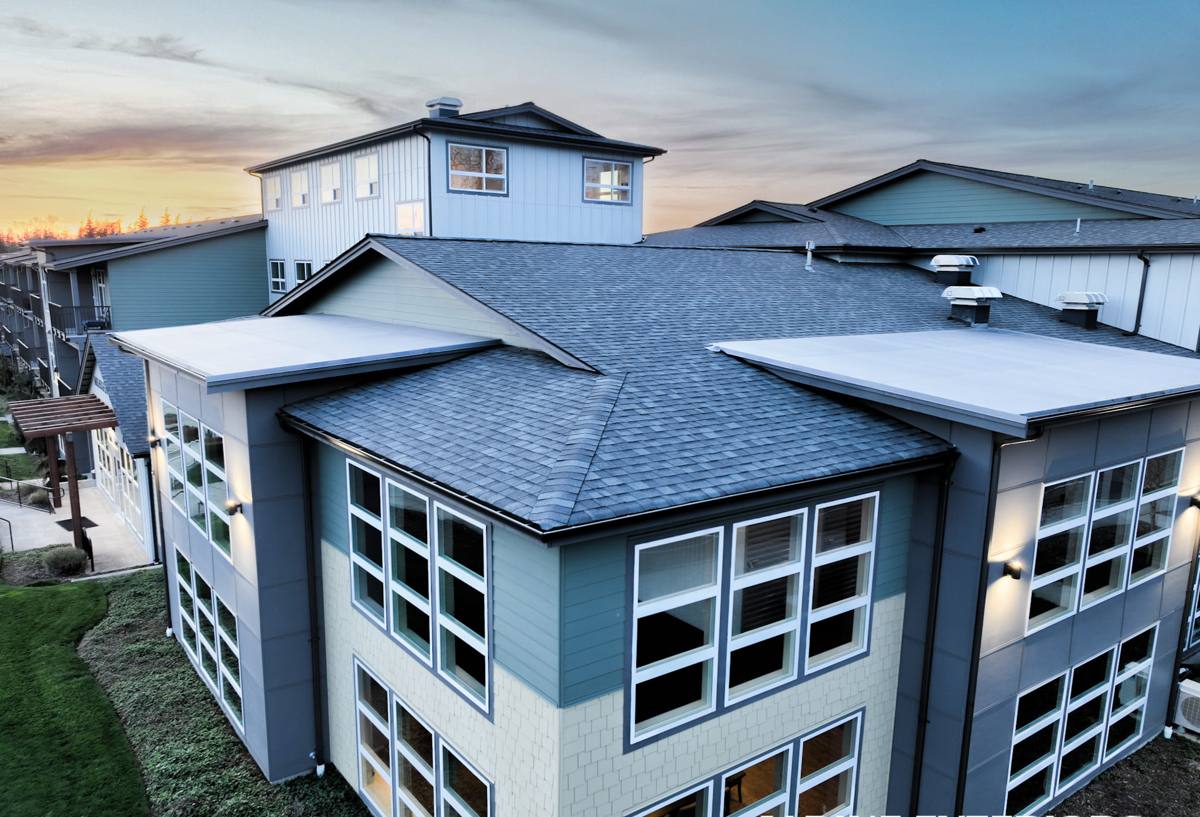
What a Correct New Roof Installation Actually Involves
A roof is a system, not a single layer of material. Every component below has to be installed correctly and in the right order, or the roof's real-world performance falls well short of its rated lifespan — especially in a climate that gives a roof no real off-season.
Tear-Off and Deck Inspection
We remove the old roofing material down to the deck rather than layering over it. That's the only way to actually see the plywood or OSB underneath. Coastal humidity and past roof leaks can cause hidden rot or delamination that won't show from above. Any soft, water-damaged, or delaminated decking gets replaced before anything new goes on — installing new roofing over a compromised deck just guarantees a shorter lifespan and a harder repair later.
Underlayment and Secondary Water Barrier
The underlayment is the roof's backup plan if wind or wear ever compromises the top layer, and in a wind-driven-rain climate, that backup plan matters. We install a full water-resistant underlayment system, with self-adhering peel-and-stick membrane at the eaves, valleys, and other vulnerable spots where wind-blown rain is most likely to push water sideways or upward under the surface material.
Flashing at Every Penetration
Most roof leaks don't start in the open field of a roof — they start where the roof meets something else: a chimney, a vent pipe, a wall, a skylight, or a valley where two roof planes meet. Every one of those transitions gets new metal flashing, properly lapped and sealed, not just caulked over the old flashing to save time.
Fastening Built for Wind Uplift
Wind resistance comes from installation discipline as much as it comes from the material itself. That means the correct nail or fastener pattern, the correct nail placement (not too high, not overdriven), and starter strips and hip/ridge details installed to the manufacturer's high-wind specification rather than the minimum builder-grade spec. This is the single biggest factor in whether a roof survives a strong storm with a few missing shingles or fails wholesale.
Choosing the Right Roofing Material for a Seminole Home
There's no single "best" roofing material for this area — the right choice depends on your home's structure, your budget, and how long you plan to stay in it. Here's how the common options actually compare under Pinellas County conditions, not just on paper.
| Material | Wind Performance | Salt Air / UV Durability | Typical Lifespan | Maintenance |
|---|---|---|---|---|
| Architectural (dimensional) shingles | Strong when installed to high-wind spec | Good; quality algae-resistant granules matter | 20-30 years | Low; periodic inspection |
| Standing seam metal | Excellent | Very good with coastal-rated coatings and fasteners | 40-50+ years | Low |
| Concrete tile | Excellent when properly fastened | Excellent; tile itself is inert | 40-50+ years | Moderate; underlayment ages faster than the tile |
| 3-tab shingles | Weaker; lower wind rating | Fair; shorter service life in intense UV | 15-20 years | Low |
For most Seminole homeowners, architectural shingles rated for high wind speeds offer the best balance of upfront cost and real-world durability. Metal and tile cost more to install but spread that cost over a much longer service life, which can make sense if you're planning to stay in the home long-term or want to minimize how often you deal with roofing altogether. We'll walk through the honest trade-offs for your specific roof and budget rather than steering you toward whatever is easiest to install.
Our Installation Process, Start to Finish
- On-site inspection and estimate. We look at your current roof, attic ventilation, and deck condition (where visible) before quoting anything, so the estimate reflects your actual roof rather than a generic number.
- Material selection. We go over options, wind ratings, warranty terms, and realistic cost ranges so you're choosing based on facts, not sales pressure.
- Permitting. We pull the required roofing permit through the appropriate local building department before work begins — this isn't optional in Pinellas County, and skipping it can cause real problems with insurance and resale later.
- Tear-off and deck inspection. Old material comes off, the deck is inspected and repaired as needed, and debris is contained and hauled off daily.
- Underlayment, flashing, and installation. Materials go down in the correct sequence, with attention to the fastening pattern and every flashing detail described above.
- Cleanup and magnetic nail sweep. We clear the site of debris and run a magnetic sweep for stray nails and fasteners.
- Final walkthrough and inspection. We review the finished roof with you and coordinate the required municipal inspection so the job is properly closed out.
Permits, Wind Mitigation, and Your Insurance
A new roof in Pinellas County isn't just a construction project — it's also a paperwork event that affects your insurance. A properly permitted, code-compliant new roof typically qualifies for a new wind mitigation inspection, which documents features like your roof's shape, deck attachment, and roof-to-wall connections. Insurers use that report to calculate windstorm premium discounts, and a new roof installed to current code standards often qualifies for meaningfully better credits than an aging roof did.
We handle the permit itself, but we'd encourage every homeowner to schedule a wind mitigation inspection once the new roof passes final inspection. It's a separate step from the roofing work, but it's the piece that actually gets the insurance savings applied to your policy.
Signs Your Seminole Home Needs a New Roof Now, Not Later
Roofs rarely fail all at once — they give warning signs first. Waiting past these signs usually means dealing with interior damage in addition to the roof itself.
- Shingles that are cupping, curling, or losing significant granules (visible as bald-looking patches or excess grit in gutters)
- Missing or lifted shingles after a wind event, especially if it keeps happening in the same area
- Soft or spongy spots when walking the roof, or visible sagging from the ground
- Daylight visible through the attic decking, or damp insulation and rafters
- Ceiling stains, especially ones that appear or spread after rain
- A roof approaching or past 20 years old, particularly with 3-tab shingles
- Rising insurance premiums or a non-renewal notice citing roof age or condition
Why a Crew That Already Works Seminole Roofs Matters
Roofing code, permitting requirements, and wind-load expectations aren't identical everywhere in Florida — they vary by jurisdiction and by how close a property sits to the coast. A crew that regularly works roofs in and around Seminole and greater Clearwater already knows the local permitting process, what the building department expects at inspection, and how to install for the wind and salt exposure this specific stretch of Pinellas County sees. That familiarity shows up in fewer surprises, fewer inspection delays, and a roof that's actually built for where it sits rather than for a generic Florida spec sheet.
It also matters after the installation. A local crew is easy to reach if a question comes up during the next storm season, and has a real, ongoing reputation in the community to stand behind — not just a one-time job with no local footprint.
Get a Free, No-Pressure Estimate
If your Seminole home's roof is showing its age, or you just want an honest read on whether repair or full replacement makes more sense, we're glad to take a look. The estimate is free, there's no pressure to commit on the spot, and you'll get a straight answer about what your roof actually needs — use the form below to get started.