 Clearwater Siding
 Roof Replacement in Safety Harbor: What Local Homes Are Up Against
Safety Harbor sits close enough to the water that its homes take on a specific mix of punishment: salt-laden air drifting off Tampa Bay, sudden downpours that come in sideways during summer storms, and near-constant UV exposure that most of the country simply doesn't deal with. A roof here isn't just shedding rain — it's fighting off corrosion, wind uplift, and material breakdown from sun exposure every single day of the year. When it's time to replace a roof in this part of Pinellas County, "good enough" specs from a national big-box quote often aren't good enough for what this climate actually throws at a house.
We work on homes throughout the Clearwater area, including Safety Harbor, and we size every roof replacement to the wind and moisture realities of this specific coastline, not a generic statewide minimum.
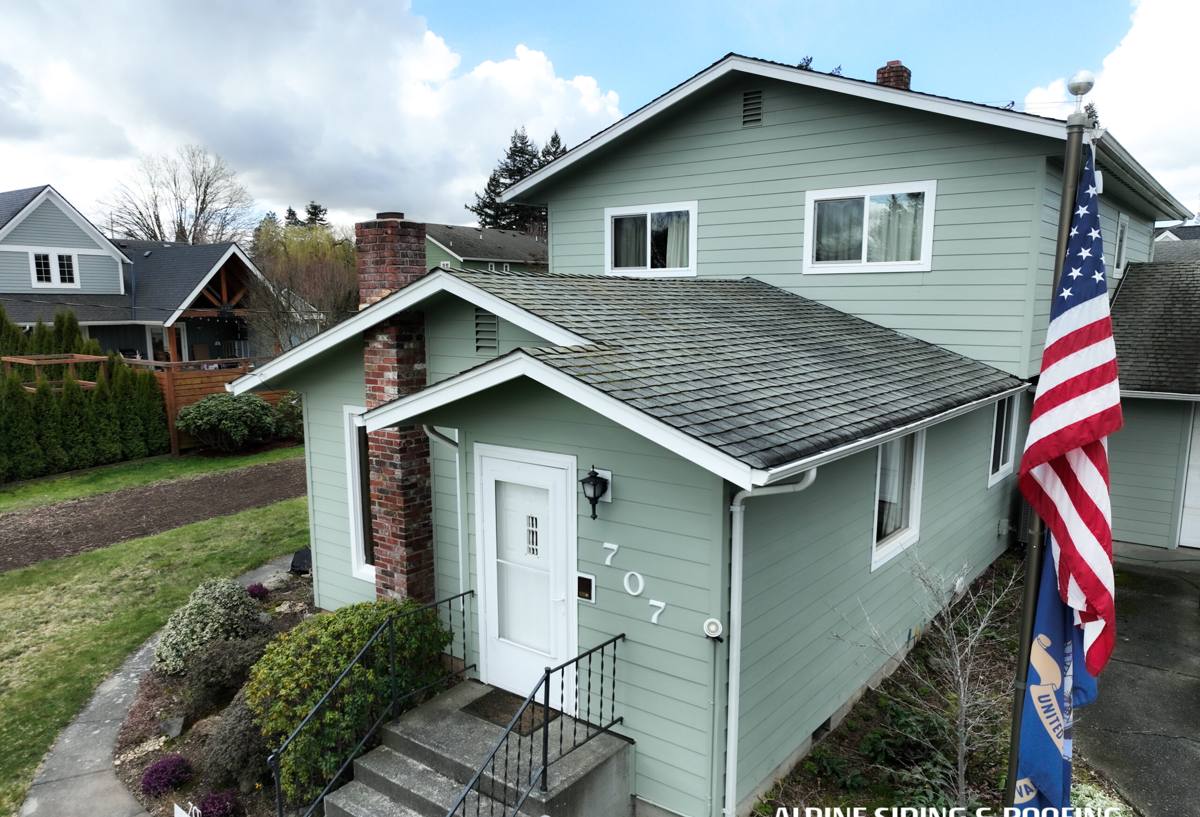
Why Standard Roofing Advice Falls Short Here
A lot of roofing information online is written for a national audience — cold climates, dry climates, inland climates. None of that transfers cleanly to a home a few miles from Old Tampa Bay. Three things matter more here than almost anywhere else in the country:
Hurricane-Force Wind Uplift
Florida's building code already accounts for high wind, but there's a real difference between a roof that technically meets code and one that's installed to actually perform in a Gulf Coast wind event. Fastening patterns, nail placement, and underlayment attachment all affect how well a roof resists uplift at the edges and corners — the areas that fail first in a storm.
Year-Round UV Exposure
Shingles and roofing membranes break down from the top through UV degradation, not just age. In Florida's sun, a roofing product rated for a 25- or 30-year lifespan elsewhere can lose granules, dry out, and crack years ahead of schedule if it isn't matched to this climate or installed with adequate ventilation underneath it.
Salt Air and Corrosion
Metal fasteners, flashing, drip edge, and any exposed metal components corrode faster this close to the coast. Using coastal-rated or corrosion-resistant metal components isn't an upsell — it's the difference between flashing that lasts the life of the roof and flashing that needs attention in five years.
What a Correct Roof Replacement Actually Involves
A roof replacement is more than stripping old shingles and nailing down new ones. Done right, it's a system, and every layer matters:
- Tear-off and deck inspection: Full removal of the old roofing material so the decking underneath can actually be inspected for rot, soft spots, or water damage — not just re-covered.
- Deck repair: Any damaged or delaminated plywood/OSB is replaced before anything new goes down. Roofing over a bad deck voids the point of replacing the roof at all.
- Underlayment: A synthetic or self-adhering underlayment rated for wind-driven rain — this is the layer that protects the home if wind ever lifts or damages the top layer during a storm.
- Flashing: New flashing at every roof-to-wall transition, valley, pipe boot, and chimney. Reusing old flashing is one of the most common shortcuts that leads to leaks down the road.
- Ventilation: Proper intake and exhaust ventilation so heat and moisture don't build up in the attic, which shortens the life of the roofing material from underneath.
- Fastening to spec: Nail count, placement, and pattern matched to the wind zone and manufacturer requirements — not just "enough to hold it down."
- Final inspection and cleanup: Magnetic sweep for stray fasteners, gutter check, and a walk-through before we call the job done.
Roofing Material Options: Honest Trade-Offs for This Climate
There's no single "best" roofing material for every Safety Harbor home — it depends on the roof's pitch, the home's structure, budget, and how long you plan to stay in the house. Here's how the common options actually compare in a Gulf Coast climate:
| Material | Wind Performance | UV/Heat Durability | Maintenance |
|---|---|---|---|
| Architectural asphalt shingle | Good, when properly fastened and rated for high wind | Moderate — quality and color affect how it holds up in full sun | Low; periodic inspection |
| Standing seam metal | Excellent uplift resistance with proper clip spacing | Excellent — reflects heat, doesn't granule-shed | Low; watch fasteners/sealant at penetrations over time |
| Concrete/clay tile | Very good when properly fastened, but individual tiles can crack from impact or foot traffic | Excellent — doesn't degrade from UV | Moderate; occasional tile replacement, keep underlayment in mind |
| 3-tab asphalt shingle | Lower wind rating than architectural shingles | Lower lifespan in intense sun | Low, but shorter service life overall |
We'll walk through which of these fits your roof's slope, your budget, and how long you're planning to own the home — there's rarely a wrong answer, just trade-offs worth understanding upfront.
Our Process for Safety Harbor Roof Replacements
We keep the process straightforward because a roof replacement is disruptive enough without added surprises:
- On-site inspection: We get on the roof (not just look from the ground) and check the decking, flashing, ventilation, and any problem areas before quoting anything.
- Written estimate: A clear breakdown of material, labor, and scope — no vague allowances that turn into change orders mid-job.
- Permitting: Roof replacements require a permit in Pinellas County. We handle the paperwork and schedule the required inspections so you don't have to chase it down.
- Material delivery and scheduling: We plan around weather — this matters more here than almost anywhere, given how often Gulf Coast afternoon storms can shift a schedule.
- Tear-off and install: Most residential roof replacements are completed in one to a few days depending on size and material, weather permitting.
- Final walk-through and inspection sign-off: We confirm the work with you and make sure the county inspection is closed out before we consider the job finished.
Signs Your Safety Harbor Roof May Need Replacement, Not Repair
Not every roof issue means a full replacement, but there's a point where repeated repairs cost more than they're worth. Some signals worth a professional look:
- Granule loss showing up in gutters or downspouts in noticeable amounts
- Shingles that are curling, cupping, or cracking, especially on the sun-facing slopes
- Soft spots or sagging areas when walked on
- Daylight visible through the attic decking
- Repeated leaks in different spots after past repairs
- A roof approaching or past its expected service life for its material type
- Visible storm damage — lifted shingles, exposed underlayment, or damaged flashing after high wind
Insurance, Permits, and What to Expect Locally
Roof replacements in Pinellas County require a building permit, and depending on the age and condition of your roof, your homeowner's insurance carrier may have specific documentation requirements — particularly around wind mitigation, since that can directly affect your premium. We provide the documentation insurance companies typically ask for, including proof of code-compliant installation, but we're not a substitute for your agent or adjuster — we work alongside them, not instead of them.
What to Have Ready Before an Estimate
- Any past roofing invoices or warranty paperwork you still have
- Your current wind mitigation inspection report, if one exists
- Photos of any known leak locations inside the home
- A rough sense of how much longer you plan to own the home — it affects material recommendations
Why Hiring a Crew That Already Works in Safety Harbor Matters
Roofing crews that work this specific stretch of coastline get a practical education that generic training doesn't cover: how salt air actually treats different metal flashing over years, which fastening patterns hold up when a named storm rolls through, and how local permitting and inspection processes actually run in Pinellas County. That local repetition matters more than it sounds — it's the difference between a roof that's built to a minimum standard and one that's built for what this specific coastline will do to it over the next 20-plus years.
We're not asking you to take our word for climate-specific decisions on faith — we'll walk you through the reasoning on materials, fastening, and ventilation for your specific roof, in plain language, before any work starts.
Get a Straightforward, No-Pressure Estimate
If your Safety Harbor home's roof is showing its age, took a hit in the last storm season, or you just want an honest opinion on whether repair or replacement makes sense, we're happy to take a look. Fill out the form below for a free estimate — no pressure, no scare tactics, just a straight answer about what your roof actually needs.