 Clearwater Siding
 Safety Harbor's Waterfront Setting Asks More of Your Siding
Safety Harbor sits tucked against Old Tampa Bay, which gives the community its charm and its downtown waterfront feel — and also puts every home here in the direct path of salt-laden air moving off the water. Add in Pinellas County's intense year-round UV, wind-driven rain during the wet season, and the real chance of hurricane-force wind loads most summers and falls, and you've got a climate that's genuinely hard on exterior building materials. Siding that would coast along for decades in a milder inland climate can show real wear here in half the time if it wasn't built, or installed, for these conditions.
We work throughout Pinellas County, and Safety Harbor is one of the areas where we see the clearest case for choosing the right siding material and installing it correctly the first time. Homes range from older bungalows near downtown to newer construction further from the water, but the underlying stress on siding is the same across the board. This page focuses specifically on James Hardie fiber cement siding for Safety Harbor homes — what the local climate demands from it, what a correct installation actually involves, and why we install James Hardie exclusively rather than offering a menu of cheaper alternatives.
What Safety Harbor's Climate Actually Does to Siding
Salt Air Off the Bay
Being this close to Old Tampa Bay means airborne salt is a constant presence on exterior surfaces, not an occasional coastal event. Salt accelerates corrosion on exposed fasteners and metal trim, and over years it can degrade lower-quality coatings and adhesives faster than a homeowner would expect from looking at a house that still seems fine from the street. It's a slow, cumulative process, which is exactly why it gets overlooked until a siding system is already failing from the inside out.
Year-Round UV Exposure
Florida's sun angle and long day length add up to far more cumulative UV exposure per year than most of the country sees. On siding with a weak or field-applied finish, that UV load breaks down pigment binders over time, which is why so many homes in this area show chalky, faded siding on their south- and west-facing walls years before the shaded sides look worn at all.
Wind-Driven Rain
Straight-down rain is easy for almost any siding to shed. Rain pushed sideways by sustained tropical-storm or hurricane-force wind is a different problem — it finds its way into butt joints, fastener penetrations, and trim intersections that would stay bone dry in a calm shower. After a season or two of that kind of exposure, homes with marginal flashing or aging caulk lines start showing water intrusion at exactly those weak points.
Humidity and Heat Cycling
Pinellas County's mix of high humidity and hot, wet afternoons followed by warm nights keeps siding expanding, contracting, and staying damp longer than it would in a drier region. Materials that absorb moisture rarely get a full chance to dry out before the next rain or heavy dew, which is a serious problem for any siding product with an organic core and a much smaller one for fiber cement.
Why James Hardie Fiber Cement Is the Right Match for This Climate
We install James Hardie exclusively — no vinyl, no LP SmartSide or other engineered wood, no Cemplank, Allura, primed spruce, or cedar. That's not a marketing position, it's a standard we set based on what actually holds up under Safety Harbor's specific combination of salt air, UV, wind, and moisture. Fiber cement's non-organic composition means it doesn't have a wood core to swell or rot if a seal fails, and it doesn't soften or distort in sustained heat the way vinyl can. James Hardie takes that base material and engineers it further with climate-specific formulations, a factory-applied finish system, and installation specs built around real-world wind and moisture performance rather than a one-size-fits-all national product.
HZ5 and HZ10: Climate-Engineered Product Lines
James Hardie doesn't sell one universal board — it engineers separate formulations for different climate zones. For Central Florida, that generally means the HZ5 line; for the most humid Gulf Coast and Southeast markets, HZ10. Both are built around moisture and humidity exposure rather than the freeze-thaw cycling that drives siding specs further north, which is exactly the stress Safety Harbor's climate puts on a wall. Which specific line applies to a given home depends on the product and local code requirements, and we confirm that during the estimate rather than assuming a generic answer.
ColorPlus Technology
Most Hardie siding we install carries ColorPlus Technology, a factory-applied finish baked onto the board under controlled conditions before it ever reaches the jobsite. That process resists the fading and chalking that field-applied paint struggles with under Florida's UV load, and it carries its own finish warranty separate from the substrate warranty on the board itself. For a home exposed to this much sun and salt, a factory-cured finish is a meaningfully better bet than paint applied on-site and left to cure under whatever weather shows up that week.
Non-Combustible Composition
Fiber cement doesn't add fuel to a fire the way wood-based siding products can, since it's primarily composed of cement, sand, and cellulose fiber rather than combustible wood stock. It's not the main reason most Safety Harbor homeowners choose Hardie, but it's a real, tangible difference from engineered wood and cedar that comes up often enough to be worth naming plainly.
Comparing Siding Materials for a Safety Harbor Home
| Factor | Vinyl | Engineered Wood | James Hardie Fiber Cement |
|---|---|---|---|
| Hurricane-force wind performance | Can be torn loose in sustained high gusts | Solid when fastened and sealed correctly | Rigid, mechanically fastened, engineered for wind zones |
| Behavior under constant Florida UV | Can fade and turn brittle over years | Factory finish quality varies by product | ColorPlus finish resists fading and chalking |
| Moisture and humidity tolerance | Doesn't rot but traps humid air behind it | Wood-fiber core can swell if edge seal is compromised | Non-organic, doesn't swell or support rot |
| Salt air exposure near the bay | Generally stable; fasteners can corrode | Generally stable; fasteners can corrode | Generally stable; correct fastener spec matters |
| Combustibility | Can melt or deform under extreme heat | Combustible (wood-based) | Non-combustible |
What a Correct James Hardie Installation Involves
James Hardie's product is only as good as the installation behind it. The board itself is engineered to perform for decades, but that performance depends entirely on following the manufacturer's published fastening, clearance, and joint-treatment specifications — details that are easy to skip and impossible to see once the job is finished and painted. A rushed or corner-cut install on a premium product still fails the same way a cheap product would, just later, and the homeowner is often the last to know why.
What We Check and Do on Every Project
- Exterior inspection and moisture check before any tear-off begins
- Removal of existing siding with inspection of the sheathing underneath for hidden rot or damage
- Repair or replacement of any compromised sheathing or framing found during tear-off
- Installation of a proper water-resistive barrier with correctly integrated flashing at every penetration
- Correct fastener type, spacing, and drive depth for our local wind zone
- Proper clearance from grade, decks, roof lines, and other transitions per manufacturer spec
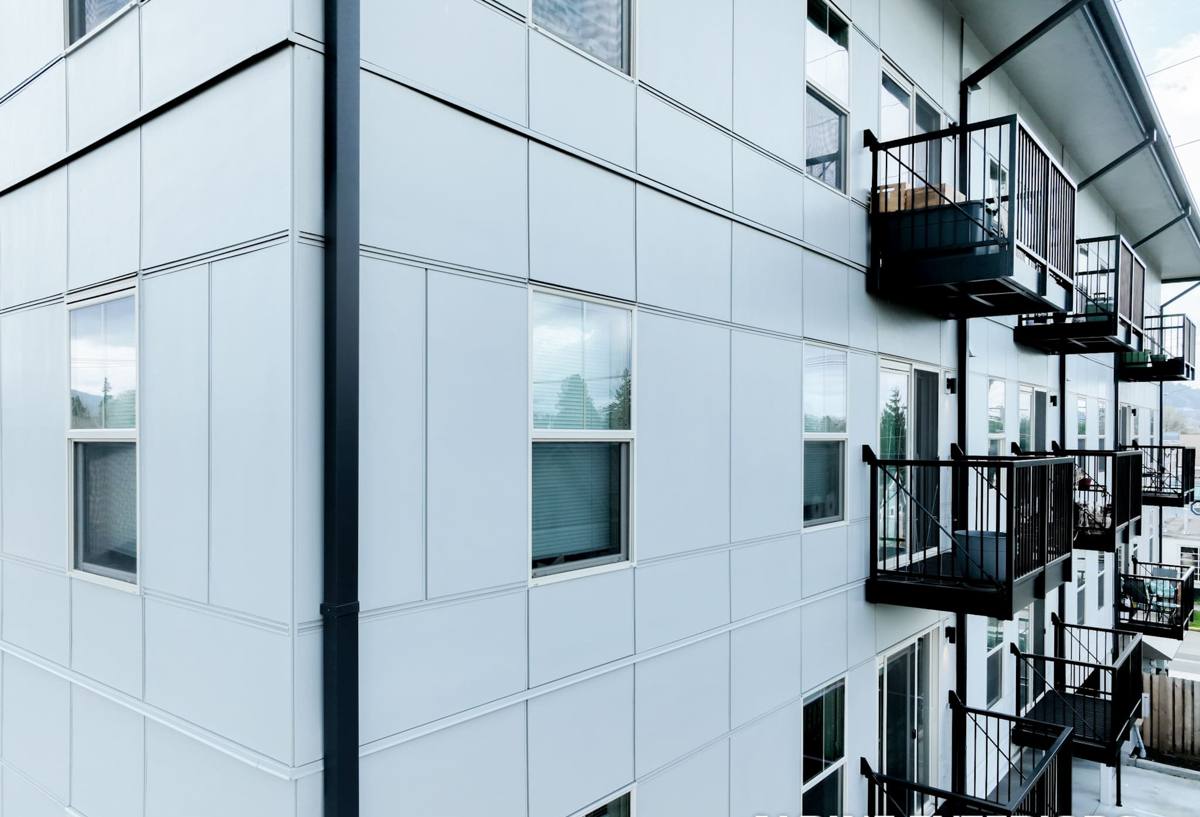
- James Hardie plank, panel, or shingle siding matched to the home's style and installed to code
- Sealed, correctly lapped joints and trim work, with a final walkthrough on caulking and care
None of that is optional detail work — it's the difference between fiber cement siding that performs quietly for decades and fiber cement siding that develops the same moisture and wind problems a cheaper product would, just a few years further down the road.
Sun Orientation and Placement Around Safety Harbor
Not every wall on a Safety Harbor home takes the same abuse. South- and west-facing elevations catch the most direct afternoon sun and the heaviest wind-driven rain during storms moving in off the Gulf, while walls closer to the water pick up more concentrated salt exposure than the same house's street-facing side. We factor that into fastener choice, sealant selection, and sometimes product line recommendations wall by wall rather than treating the whole exterior as a single uniform surface. A home a few blocks off the waterfront and a home right on it can call for slightly different attention to detail even if they're using the identical Hardie product.
Why a Crew That Already Works Safety Harbor Matters
Siding quality is decided by details that never show up in a finished photo — how flashing is lapped at a roof-to-wall transition, how much clearance is left above grade, whether cut ends are sealed before they go up, whether a fastener is driven flush or overdriven and cracking the board. A crew that installs regularly in Safety Harbor and the surrounding bay-front communities has already seen how those details play out under this specific combination of salt, sun, and wind — not a generic national climate, this one. That experience shows up in fewer callbacks and siding that's still doing its job fifteen and twenty years out.
It also matters for permitting. Pinellas County's wind zone requirements shape fastening schedules and product specifications, and a contractor who pulls permits in this area regularly knows what the county and city actually require, rather than applying an out-of-state assumption to a bay-front home that needs the real local standard.
Signs Your Safety Harbor Home's Siding Needs a Look
- Paint or finish that's chalking or fading unevenly, especially on south- or west-facing walls
- Soft or spongy spots when pressing near windows, doors, or the lowest courses of siding
- Visible gaps, warping, or buckling, particularly after storm season
- Rust streaks or corrosion around fasteners, trim, or flashing
- Musty odors or staining on interior walls that back up to exterior siding
- Siding older than 20-25 years with no documented replacement or major repair history
None of these automatically mean a full re-side is needed, but they're worth a professional look before the next storm season rather than after water has already worked its way into the sheathing and framing.
What to Expect From Your Estimate
An honest estimate starts with looking at your home, not pitching you a product. We'll inspect your current siding's condition, check for any hidden moisture issues, walk through which James Hardie product line and finish fits your home and budget, and give you a straightforward number based on what your project actually needs — not a low figure designed to grow once work begins. Cost depends on home size, current condition, number of stories, and how much trim and detail work is involved, and we'll walk through those factors specifically rather than leaving you to guess.
If you're in Safety Harbor and thinking about siding — whether you've got a specific problem developing or you're planning ahead of the next storm season — we're happy to come take a look and put together a free, no-pressure estimate using the form below.