 Clearwater Siding
 Roofing a Coachman Ridge Home Is Not the Same Job as Roofing Anywhere Else
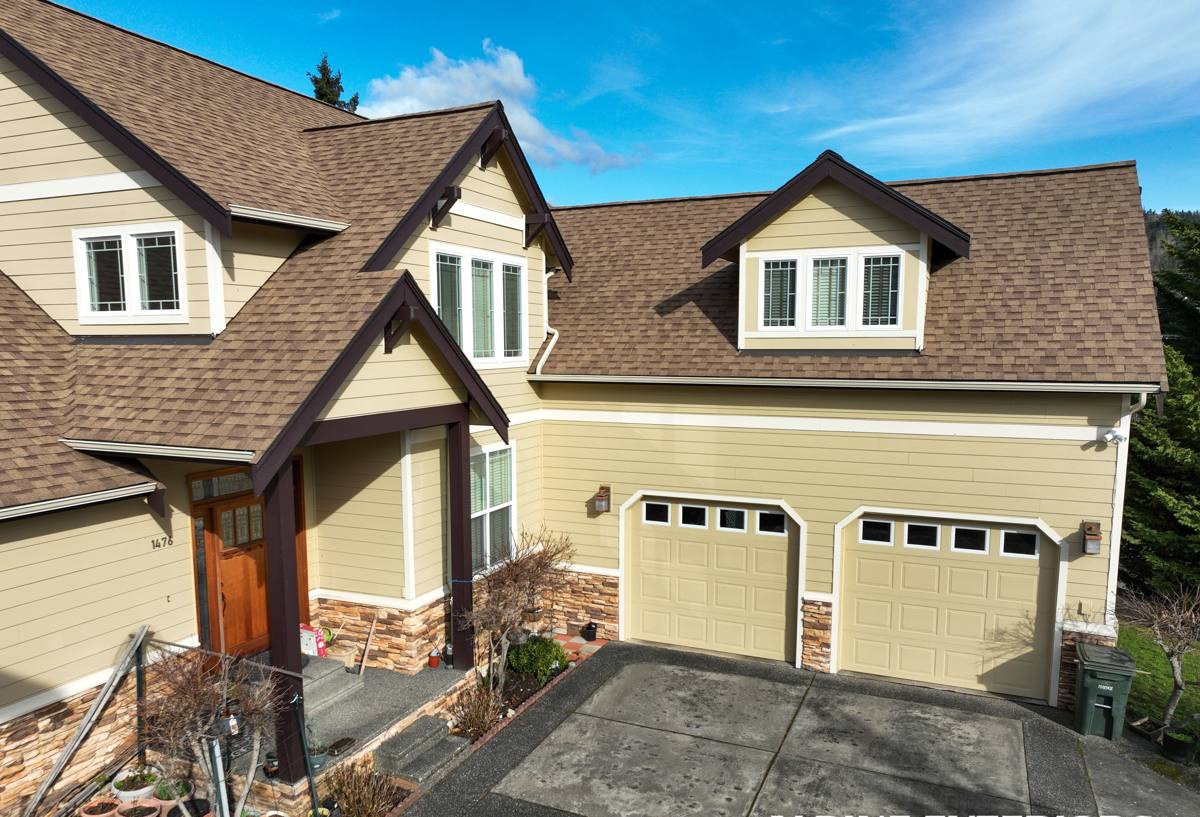
Coachman Ridge is one of the established residential communities in Clearwater, and like most neighborhoods in this part of Pinellas County, it's a mix of homes built across several decades, many with roofs that have already been through more than one hurricane season. When we replace a roof here, we're not just matching shingles to a house — we're accounting for how this specific stretch of Florida wears a roof down: sustained UV exposure nearly every day of the year, sudden hurricane-force wind events, wind-driven rain that finds every gap in flashing and underlayment, and salt-laden air blowing in off the Gulf that speeds up corrosion on fasteners, flashing, and vents even miles from the water.
A roof replacement done right in Coachman Ridge has to be built for all of that at once, not just for looks. That's the standard we hold every job to, and it's why the details below matter more here than they would in a milder climate.
What Clearwater's Climate Actually Does to a Roof
UV and Heat
Central Florida sun is relentless. Asphalt shingles lose oils and granules faster under this kind of year-round UV load, which is part of why a shingle roof rated for a national average lifespan often runs shorter here unless it's a product and installation built to handle it.
Wind and Uplift
Pinellas County sees real hurricane risk, and wind doesn't just tear off loose shingles — it gets under edges and ridge caps first, then works its way in. Roofs that fail in a storm usually fail at the weak points: perimeter edges, ridge lines, and places where flashing wasn't sealed correctly the first time.
Wind-Driven Rain
Florida storms rarely drop rain straight down. Wind pushes it sideways and even upward under shingle tabs and flashing laps, which is why underlayment quality and how it's installed matter as much as the shingle brand on top of it.
Salt Air and Humidity
Being close to the Gulf means the air carries salt, and combined with Clearwater's humidity, that accelerates corrosion on exposed metal — nails, flashing, vent housings, and fasteners — faster than it would inland. Materials and hardware selection have to account for that, not just the shingle color.
Signs a Coachman Ridge Roof Needs Replacing, Not Just Patching
Not every roof problem means a full replacement, and we'll always tell you honestly if a repair is the smarter call. But there are signs that point to a roof at the end of its useful life rather than one with an isolated issue:
- Granule loss heavy enough that shingles look patchy, blotchy, or bald in sun-exposed areas
- Curling, cupping, or cracked shingles across multiple sections of the roof, not just one spot
- Soft spots in the decking when walked, or visible sagging along the roofline
- Repeated leaks in different locations after storms, even after prior repairs
- Roof age approaching or past 18-22 years for architectural shingles in this climate
- Visible daylight through the attic decking, or consistently damp attic insulation
- Missing or lifted shingles after wind events, especially near ridges and edges
If a roof is showing two or more of these at once, replacement is usually the more honest recommendation — patching a roof that's structurally tired just delays a bigger repair bill and risks interior damage in the meantime.
What a Correct Roof Replacement Actually Involves
A roof replacement is more than stripping old shingles and nailing down new ones. In a wind and rain climate like Clearwater's, the parts you don't see matter as much as the parts you do:
Tear-Off and Deck Inspection
We remove the existing roofing down to the deck so we can actually see what's underneath — soft, rotted, or delaminated decking has to be replaced, not covered over. Roofing over a compromised deck is one of the most common shortcuts that leads to early failure.
Underlayment
This is the roof's real waterproofing layer, and in a wind-driven rain climate it's not optional detail. We install underlayment rated for high-wind, high-moisture exposure, with proper overlaps and fastening so wind can't work rain up underneath it.
Flashing
Valleys, chimneys, walls, skylights, and roof-to-wall transitions are where most leaks start. Correct flashing — new, properly lapped, and sealed — is not something we reuse from the old roof, even if it looks fine at a glance.
Fastening for Wind Uplift
Nailing pattern and fastener count matter for wind resistance, and Florida Building Code has specific requirements for this that vary by wind zone. We follow the code requirement for the address, not a generic minimum.
Ventilation
Proper intake and exhaust ventilation keeps attic temperatures and moisture in check, which protects the decking from below and helps shingles last their full rated life instead of baking prematurely from trapped heat.
Material Options and How They Hold Up Locally
Most Coachman Ridge homes are candidates for a few proven roofing systems. Here's how the common options compare for this climate, in plain terms:
| Material | Typical Lifespan Here | Wind Performance | Maintenance |
|---|---|---|---|
| Architectural asphalt shingle | 18-25 years | Good, when rated and installed to code | Low; periodic inspection after storms |
| 3-tab asphalt shingle | 12-18 years | Lower wind rating than architectural | Low, but shorter service life |
| Standing seam metal | 40+ years | Excellent | Very low; occasional fastener/seam check |
| Concrete or clay tile | 40-50 years | Good if fastened and underlaid correctly | Moderate; underlayment beneath tile ages and eventually needs replacement |
We don't push one material on every homeowner. The right choice depends on your budget, your roof's slope and structure, HOA guidelines where applicable, and how long you plan to stay in the home. We'll walk through the honest trade-offs for your specific roof rather than steering you toward whatever is easiest for us to install.
Permits, Code, and Insurance in Pinellas County
A roof replacement in Clearwater requires a permit, and the work has to meet current Florida Building Code wind-resistance requirements for our wind zone — this isn't optional paperwork, it's what protects you if there's ever a claim dispute after a storm. We handle the permit process and coordinate inspections as part of the job.
It's also worth knowing that a new roof, especially one that meets updated wind-mitigation standards, can affect your homeowner's insurance premium. We can provide the documentation your insurer needs to evaluate that, though the specific savings and terms are between you and your insurance company.
Our Process, Start to Finish
- On-site inspection. We walk the roof and attic, document condition, and take measurements — not a drive-by guess.
- Written estimate. A clear breakdown of materials, labor, and scope, so there are no surprise line items later.
- Material selection. We go over the options that fit your roof, budget, and how long you plan to own the home.
- Permitting. We pull the required permit with the city or county before work starts.
- Tear-off and deck repair. Full removal of old roofing, with any compromised decking replaced.
- Underlayment, flashing, and installation. Installed to current wind and moisture standards, not just "close enough."
- Final inspection and cleanup. Magnetic sweep for debris, full site cleanup, and the required inspection sign-off.
Why It Matters That We Already Work in Coachman Ridge
A crew that's worked this neighborhood before isn't guessing about roof pitches, tree canopy coverage, or the age and construction style of homes here. That familiarity shows up in practical ways: knowing what's typical for the era of home common in this part of Clearwater, being able to move quickly when a storm passes through and multiple neighbors need eyes on their roof at once, and understanding what Pinellas County inspectors and permitting expect without a learning curve slowing the job down.
It also means we're not disappearing after the job is done. A roof replacement should come with a real warranty and a contractor who's still local — and reachable — years later if a question comes up.
Choosing a Contractor for This Job: What to Actually Check
- Current Florida roofing license and general liability + workers' comp insurance — ask to see it, don't just take their word
- A written estimate that itemizes materials, underlayment type, and labor — not a single lump number
- Manufacturer certification for the shingle or system being installed, if warranty coverage depends on it
- A clear answer on who pulls the permit and handles inspections
- Local references or a local track record you can verify, not just online reviews
- A straight answer about deck repair costs if rot is found, before work begins — not a surprise change order
- Clarity on cleanup, debris removal, and magnetic nail sweep as part of the scope
If a contractor is vague on any of these, that's worth pausing on before you sign anything.
Get a Straight Answer on Your Coachman Ridge Roof
If your roof is showing wear, was recently hit by wind or storm damage, or you're just trying to plan ahead before it becomes an emergency, we're happy to take a look and give you an honest read on where it stands. There's no pressure and no obligation — just a real inspection and a clear estimate you can use to make the decision that's right for your home. Fill out the form below to schedule a free estimate.