 Clearwater Siding
 Roof Repair Built for Safety Harbor's Climate
Safety Harbor sits right on Old Tampa Bay, a few minutes inland from Clearwater, and that location shapes what happens to roofs here. Homes get the same hurricane-force wind gusts and wind-driven rain that hit the rest of Pinellas County, plus near-constant humidity off the bay and intense, year-round UV exposure. None of that damage happens overnight. It shows up as a slow breakdown of shingles, flashing, and underlayment that eventually turns into a leak at the worst possible time — usually during a storm.
A roof repair here isn't just patching a hole. It's understanding how sun, salt, and storm cycles work together to fail a roof, and fixing the actual cause instead of just the symptom a homeowner can see from the ground.
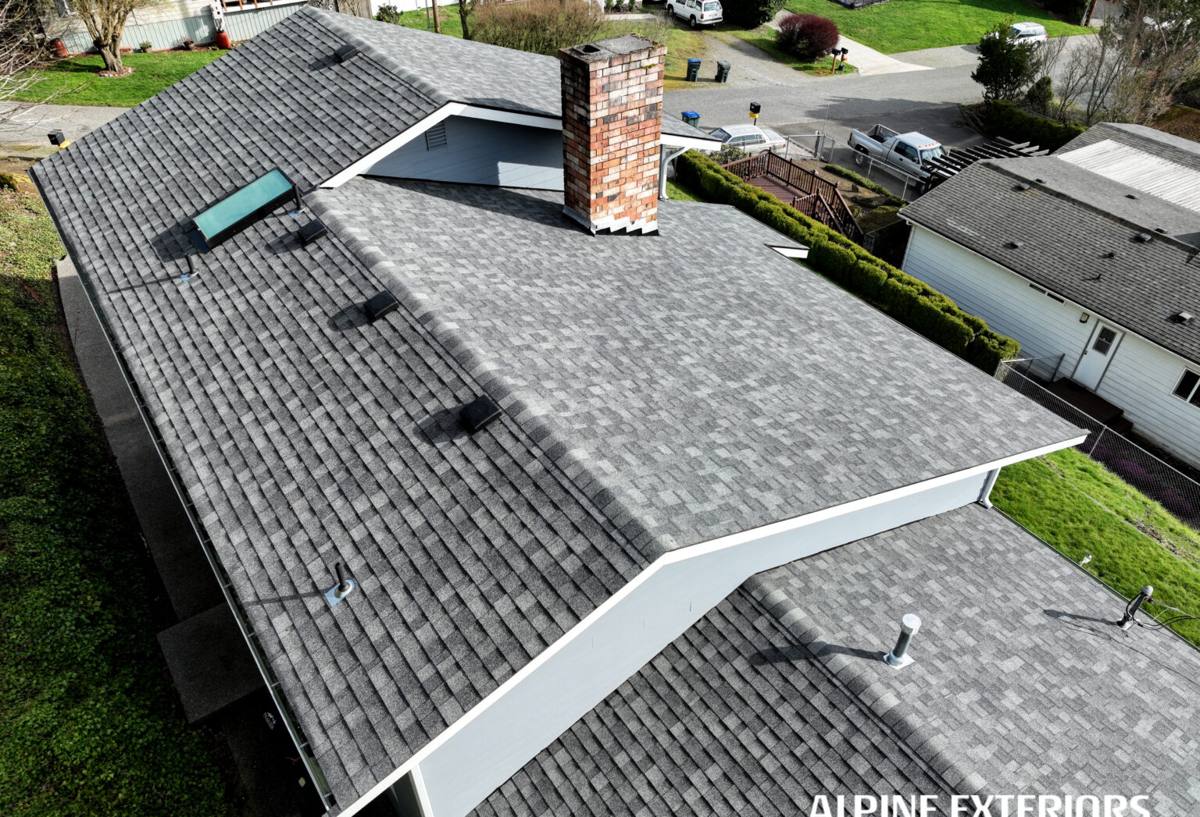
What Safety Harbor's Climate Does to a Roof
Wind and Wind-Driven Rain
Pinellas County roofs take wind from multiple directions over a storm season, and wind-driven rain doesn't need a hole to get in — it can be forced up and under shingle tabs, through nail penetrations, and along ridge and hip lines where seals have weakened. A roof that "looks fine" from the street can still be letting water in at these pressure points.
UV Exposure
Florida sun is hard on roofing materials year-round, not just in summer. UV breaks down the asphalt in shingles, drying out the oils that keep them flexible, and it degrades sealants and rubber boots around pipe penetrations faster than in most parts of the country. Brittle, sun-baked materials crack under normal thermal movement instead of flexing with it.
Salt Air and Humidity
Proximity to Tampa Bay means salt-laden, humid air is a constant. That accelerates corrosion on exposed metal fasteners, flashing, and vents, and it keeps roof decking and underlayment from fully drying out between rain events — which is exactly the condition that lets rot and mold take hold under a roof surface that still looks intact.
Heat Cycling
Daily swings between intense heat and afternoon thunderstorm cooling put roofing materials through constant expansion and contraction. Over years, this cycling works nails loose, opens seams, and stresses flashing joints — all common starting points for the leaks we get called out to fix.
Signs a Safety Harbor Roof Needs Repair
Most roof problems give warning signs before they turn into an active leak. Catching them early is almost always cheaper than waiting.
- Missing, curled, or cracked shingles, especially after a windstorm
- Granules collecting in gutters or at downspouts
- Dark streaks, soft spots, or discoloration on interior ceilings
- Daylight visible through the attic roof deck
- Rusted, lifted, or separated flashing around chimneys, vents, and skylights
- Sagging areas anywhere on the roof plane
- Higher-than-usual attic temperatures or humidity, a sign ventilation or the roof deck is compromised
- Visible gaps or cracked sealant around pipe boots and roof penetrations
If you notice any of these, it's worth having someone look before the next storm system moves through — not after.
What a Correct Roof Repair Actually Involves
A roof repair done right isn't a tube of caulk and a handful of shingles. It starts with figuring out where water is actually entering, which is frequently not directly above where the interior stain shows up — water travels along the deck and rafters before it drips.
Inspection First
We check the full roof plane, not just the reported problem area: flashing at all penetrations, valleys, ridge lines, fascia and drip edge, and attic ventilation. A leak at one spot is often a symptom of a broader issue, like failing underlayment or a ventilation problem trapping moisture.
Matching Materials and Method
Repairs need to match the existing roofing system in material, profile, and fastening method so the repaired section performs the same as the rest of the roof under wind load. A mismatched patch is often the next failure point.
Flashing and Sealant Work
Given how hard salt air and UV are on metal and sealants here, flashing repairs get corrosion-resistant materials and sealants rated for sustained sun exposure, not general-purpose caulk that will crack again in a season or two.
Underlayment and Decking Checks
If a leak has been active for a while, the underlayment or even the wood decking beneath the shingles may have absorbed moisture. Patching over compromised decking doesn't hold up; it needs to be identified and addressed as part of the repair, not left for the next contractor to find.
Repair vs. Replacement: How We Help You Decide
Not every roof problem calls for a full replacement, and not every roof is a good candidate for another round of patches. The right call depends on the roof's age, how widespread the damage is, and what's happening underneath the surface.
| Factor | Favors Repair | Favors Replacement |
|---|---|---|
| Roof age | Roof is well within its expected service life | Roof is near or past its rated lifespan |
| Damage extent | Isolated to one section or a few penetrations | Widespread across multiple roof planes |
| Decking condition | Solid, dry decking under the damaged area | Soft, rotted, or water-stained decking found in multiple spots |
| Repair history | First or second repair on this roof | Recurring repairs to the same or nearby areas |
| Storm damage | Localized wind or debris damage | Widespread granule loss, lifted fields of shingles, structural concerns |
We'll always tell you honestly which side of this table your roof falls on. A repair that's going to need another repair in a year isn't a good use of your money.
What Affects the Cost of a Roof Repair
Every roof and every repair is different, so we won't quote a number without seeing the roof, but these are the factors that typically move the price:
| Cost Factor | Why It Matters |
|---|---|
| Roof pitch and access | Steeper or harder-to-access roofs take longer and require more safety setup |
| Size of the affected area | Larger sections of damaged shingles, decking, or underlayment mean more material and labor |
| Decking condition | Rotted or water-damaged decking requires replacement, not just a shingle patch |
| Number of penetrations involved | Chimneys, skylights, and multiple vents each add flashing and sealing work |
| Material match | Older or discontinued shingle profiles can be harder to match cleanly |
Our Roof Repair Process for Safety Harbor Homes
- Assessment: We inspect the full roof, attic, and any interior damage to trace the actual source of the problem.
- Honest scope and estimate: You get a clear explanation of what's wrong, what needs to be done, and why — before any work starts.
- Repair: We remove and replace only the compromised materials, matching the existing roof system and using flashing and sealants suited to Pinellas County's salt air and sun exposure.
- Ventilation check: Since trapped heat and moisture accelerate roof failure here, we confirm attic ventilation is functioning as part of the job.
- Final walkthrough: We show you what was done and what to watch for going forward.
Why It Matters to Hire a Crew That Already Works Safety Harbor
Roofing crews unfamiliar with this part of Florida sometimes treat repairs the same way they would in a drier, milder climate — standard-grade sealants, generic flashing, no real attention to ventilation. That approach doesn't hold up against Tampa Bay's combination of salt air, humidity, and storm-season wind. A crew that regularly works roofs in and around Safety Harbor and greater Clearwater knows which failure points show up repeatedly in this area and builds the repair to handle them, not just to pass a quick visual check.
Local experience also means faster response after a storm, familiarity with the permitting and inspection expectations in Pinellas County, and a crew that's not learning the region's climate on your roof.
Questions to Ask Before You Hire a Roof Repair Contractor
- Are you licensed and insured to work in Pinellas County, and can you provide proof?
- Will you inspect the full roof and attic, or only the specific spot I reported?
- What materials and sealants will you use, and are they rated for coastal UV and salt exposure?
- Will decking be checked and replaced if it's compromised, not just covered over?
- Is there a written warranty on the repair labor, separate from the material warranty?
A contractor who can't answer these clearly, or seems in a rush to sign a contract, is worth a second look before you commit.
Protecting a Repair Once It's Done
A properly done repair still benefits from basic upkeep, especially in a climate that doesn't give a roof much of a break. Keep gutters clear so water isn't pooling near roof edges, trim back overhanging branches that scrape shingles in high wind, and have the roof looked at after any major storm even if nothing looks obviously wrong from the ground. Catching a small issue in an annual check is a lot cheaper than discovering it as a ceiling stain.
Get a Free Roof Repair Estimate in Safety Harbor
If you're seeing signs of roof damage, or just want an honest opinion after this season's storms, we're glad to take a look. Fill out the form below for a free, no-pressure estimate on your Safety Harbor roof repair.