 Clearwater Siding
 Why Del Oro Roofs Wear Differently Than Roofs Inland
Homes in the Del Oro area of Clearwater sit close enough to the Gulf that the roof over your head is doing a different job than a roof forty miles inland. Pinellas County roofs absorb intense, nearly year-round UV exposure, take direct hits from wind-driven rain during summer storms, and live with a steady dose of salt air that speeds up corrosion on fasteners, flashing, and any exposed metal. None of that is dramatic on any single day, but it adds up fast, and it adds up unevenly — a roof facing west toward afternoon sun and prevailing wind will show wear years before the shaded side of the same house.
That's the core reason roof repair here isn't a one-size-fits-all job. A repair that would hold up fine in a drier, calmer climate can fail within a season on the Gulf Coast if it doesn't account for how sun, salt, and storm wind actually behave on this side of the state. We approach every Del Oro roof repair with that in mind.
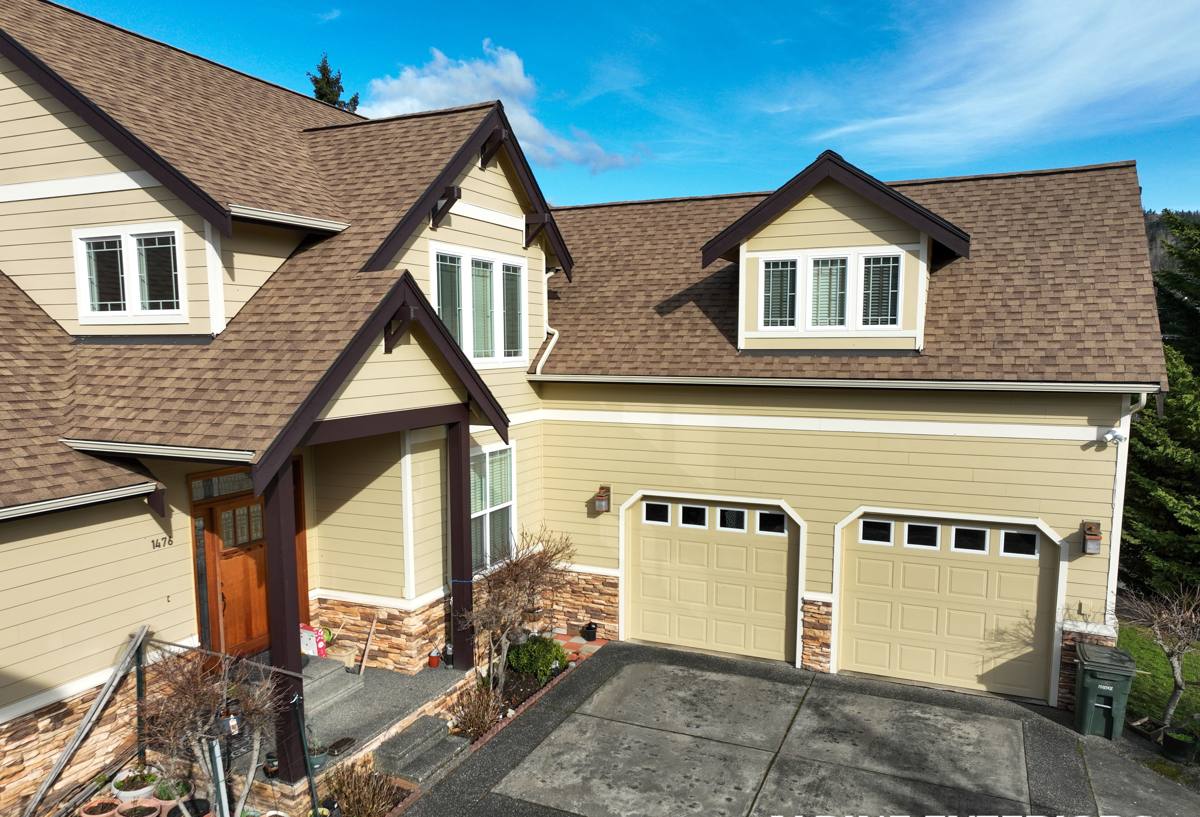
Common Roof Repair Needs We See in Del Oro
Del Oro is a mix of established homes with roofs of varying ages, so the repair calls we get tend to cluster around a handful of recurring issues:
- Wind-lifted or missing shingles after a summer storm system moves through, especially on roof edges and ridges where uplift pressure is highest
- Flashing failures around chimneys, skylights, and wall-to-roof transitions, where the metal has corroded or the sealant has dried out and cracked in the sun
- Soft, granule-worn shingles from cumulative UV exposure, which shows up as bald patches and increased water absorption long before a full leak appears
- Nail pops and fastener corrosion from years of humidity and salt air working on exposed metal
- Valley and penetration leaks around plumbing vents, where aging boots crack and let water track into the attic during heavy rain
Most of these start small. The problem is that a small gap in an underlayment or a lifted shingle tab doesn't stay small once wind-driven rain finds it during the next storm.
What a Correct Roof Repair Actually Involves
Starting With a Real Inspection, Not a Guess
A roof repair is only as good as the diagnosis behind it. Before we touch anything, we walk the roof (weather permitting) and check the attic from the inside — water doesn't always show up where it enters, so tracing a leak back to its actual source matters more than patching the spot where the stain appeared on the ceiling. We look at flashing, valleys, penetrations, decking condition, and the general age and wear of the roofing material itself.
Matching Materials Correctly
Repairing a section of roof means blending new material into old. Shingle color and profile fade and change over years of sun exposure, so a repair that ignores this looks patched instead of fixed. We also make sure any replacement flashing, underlayment, and fasteners are rated for coastal exposure — standard hardware corrodes faster here than it does further inland, and cutting that corner just means a repeat repair sooner.
Getting the Underlayment and Flashing Right
The shingles are what you see, but the underlayment and flashing are what actually keep water out when a shingle is compromised. A repair that replaces surface shingles but skips a damaged or aged underlayment section is a cosmetic fix, not a structural one. We treat the water barrier underneath as the priority, not an afterthought.
Meeting Florida Building Code
Pinellas County follows the Florida Building Code's high-velocity wind provisions for roofing work, which set specific requirements for fastening patterns, underlayment, and flashing details. Repairs that skip these details might pass a quick visual check but won't perform the way they're supposed to in a real wind event — and can create issues if you ever sell the home and a buyer's inspector looks closely.
Our Roof Repair Process
- Assessment: We inspect the roof and attic, identify the actual source of damage or leaks, and document what we find.
- Honest recommendation: We tell you plainly whether the situation calls for a targeted repair or whether the roof's overall age and condition mean a repair would just be a short-term patch. We don't upsell a full replacement when a repair will genuinely hold.
- Written estimate: You get a clear scope of work and price before anything starts — no surprise add-ons mid-job.
- Repair work: We remove and replace only the damaged material, tie new flashing and underlayment properly into the existing roof system, and match shingles as closely as available product allows.
- Cleanup and final check: Debris and old material are cleared from the property, and we do a final walk to confirm the repair area is sealed and sound.
Repair vs. Replacement: How We Help You Decide
| Factor | Points Toward Repair | Points Toward Replacement |
|---|---|---|
| Roof age | Under 12-15 years, asphalt shingle | Nearing or past manufacturer's rated lifespan |
| Extent of damage | Isolated to one section or penetration | Multiple areas showing wear or leaks |
| Granule loss | Localized | Widespread, roof looks uniformly faded/bald |
| Decking condition | Solid, no soft spots | Soft or water-damaged decking found during inspection |
| Storm history | Single recent event, minor damage | Repeated storm damage over several seasons |
This table is a starting point, not a diagnosis — the only way to know for sure is a hands-on inspection. But it reflects the honest tradeoffs we walk homeowners through before recommending anything.
What Affects the Cost of a Roof Repair
| Cost Factor | Why It Matters |
|---|---|
| Size of the damaged area | Larger sections require more material and labor time |
| Roof pitch and access | Steeper or harder-to-access roofs take longer to work safely |
| Underlayment condition | Damaged underlayment adds material and labor beyond surface shingles |
| Flashing complexity | Chimneys, skylights, and multiple penetrations add detail work |
| Material availability | Matching older or discontinued shingle profiles can affect sourcing |
Because these factors vary so much house to house, we don't quote roof repairs over the phone. A short on-site look lets us give you a number that actually holds once work starts, rather than a low estimate that grows once we're on the roof.
Signs Your Del Oro Home May Need Roof Repair
Most homeowners don't check their roof until there's a stain on the ceiling. A few minutes of looking — from the ground with binoculars, or in the attic on a dry day — can catch problems while they're still cheap to fix:
- Shingles that are curling, cracked, or visibly missing granules in patches
- Any shingles missing entirely, especially after a windy day
- Daylight visible through the roof deck from inside the attic
- Dark streaks, staining, or a musty smell in the attic
- Soft or sagging spots when walking the roof (best left to a professional to check)
- Rust streaks or gaps around flashing at chimneys, vents, or skylights
- Granules collecting in gutters or at the base of downspouts
If you notice any of these, it's worth getting a look before the next storm system rolls through — small gaps are far cheaper to close now than after they've let water into the decking or insulation.
Why a Crew That Already Works in Del Oro Matters
Roof repair isn't just about the materials — it's about understanding how a specific roof has weathered in a specific place. A crew that regularly works Del Oro and the surrounding Clearwater neighborhoods has a working sense of how homes in this exact stretch of Pinellas County age: which roof orientations take the worst of the afternoon sun, how salt air affects fasteners and flashing near the coast, and what kind of storm damage patterns show up after a typical Gulf Coast summer. That local pattern recognition helps us diagnose issues faster and repair them in a way that's built for what this climate actually does, not a generic checklist.
It also means we're not disappearing after the invoice clears. Being local means being reachable if a question comes up after the repair, and it means our reputation in this community depends on the work holding up — not just looking finished on the day we leave.
Protecting a Repair Once It's Done
A good repair extends a roof's life, but a little upkeep protects that investment further. A few habits make a real difference on Gulf Coast homes:
- Keep gutters clear so water isn't backing up under roof edges during heavy rain
- Trim back overhanging tree limbs that scrape shingles or drop debris onto the roof
- Do a visual check after any major storm, especially one with sustained high winds
- Have the roof looked at every year or two, even with no visible issues — small problems are cheapest to catch early
If you're seeing signs of wear, storm damage, or just want an honest read on where your roof stands, we're happy to take a look. Reach out using the form below for a free, no-pressure estimate — we'll tell you straight whether it's a repair, and what that repair actually needs to hold up in Del Oro's climate.