 Clearwater Siding
 Why Palm Harbor Windows Take a Different Kind of Beating
Palm Harbor sits close enough to the Gulf that its homes deal with a combination of stresses most inland markets never see. Hurricane-force winds during the active season put real pressure on window frames and glass. Between storms, intense year-round Florida sun bakes vinyl, warps seals, and fades interior finishes through unprotected glass. Add wind-driven rain that gets pushed sideways into gaps a calm-weather install would never expose, plus the slow corrosion that salt-laden air causes on hardware and metal components, and you have a climate that ages windows faster than the manufacturer's brochure suggests.
None of that means every window needs replacing on a strict schedule. It means the windows going into a Palm Harbor home need to be selected and installed with those specific stresses in mind, not treated like a generic home improvement item. A window that performs fine in a mild climate can underperform here within a few years if it was never rated or installed for coastal Pinellas County conditions.
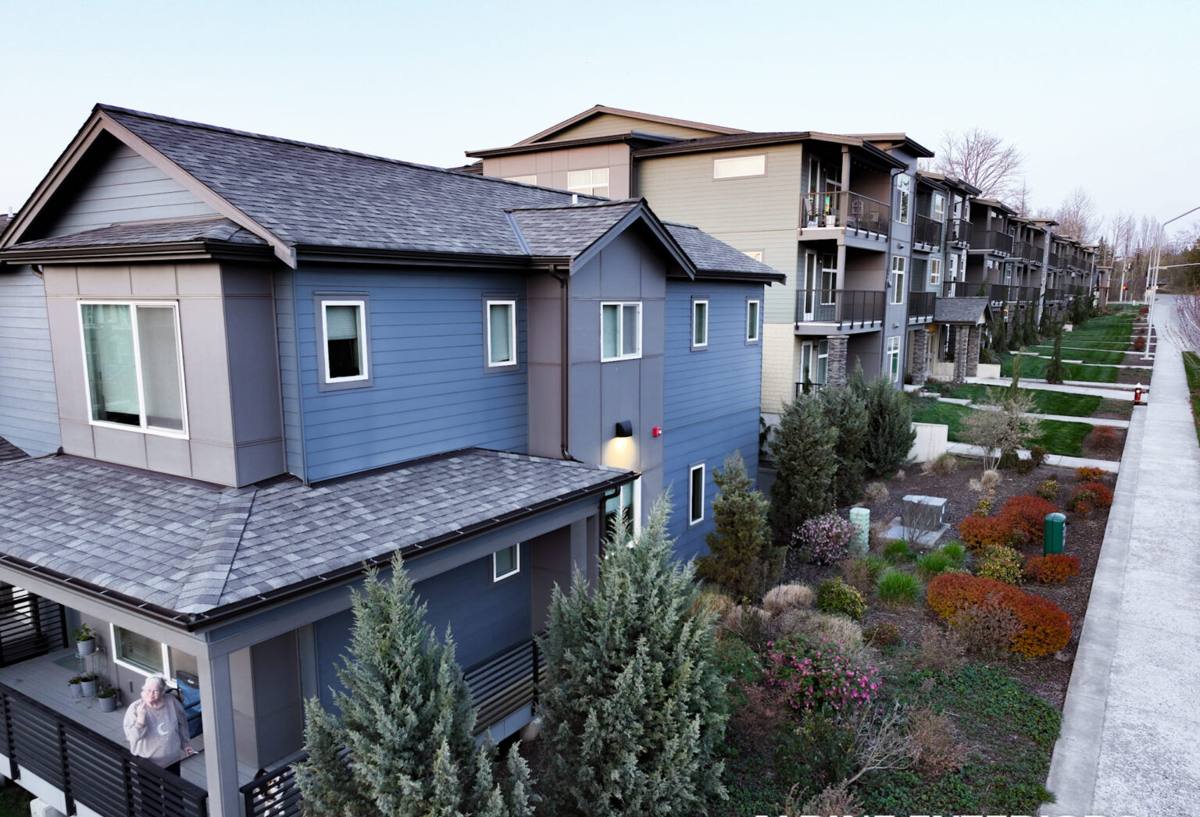
Signs Your Windows Are Past Their Service Life
Most homeowners don't think about their windows until something forces the issue — a bad storm, a spike in the cooling bill, or a window that simply won't latch right anymore. Here's what we look for when we assess a home:
- Fogging or a permanent haze between panes, which means the seal has failed and the insulating gas has escaped
- Frames that feel soft, chalky, or show visible warping, especially on west- and south-facing walls
- Windows that are difficult to open, close, or lock — often a sign the frame has shifted or the hardware has corroded
- Visible daylight or a draft around the frame when the window is shut
- Water staining on the interior wall or sill after heavy rain, which usually points to failed flashing rather than the glass itself
- A noticeable rise in energy bills without a change in usage habits
- Rattling or flexing during high winds — a sign the frame isn't seated or fastened the way it should be
Any one of these on its own might not mean a full replacement. Several together, especially on an older home, usually do.
What Belongs in a Proper Window Replacement Here
Wind Load and Impact Resistance
Pinellas County's building code sets minimum wind-load and, in most residential zones, wind-borne debris protection requirements — meaning the window either has to be impact-rated on its own or paired with code-compliant shutters or panels. A correct replacement starts with confirming what your specific property requires based on its exposure and existing protection, then selecting a window tested and labeled to meet it. Skipping this step, or assuming an inland-rated window is close enough, is one of the most common corners cut in this trade.
Flashing, Sealants, and Water Management
Wind-driven rain doesn't fail a window through the glass — it fails it through the gaps. Correct installation means proper flashing tape or pan flashing at the sill, a continuous bead of the right sealant around the perimeter, and shims and fasteners placed so the frame stays square under wind pressure instead of racking. This is the part of the job that's invisible once it's finished, which is exactly why it's the part most often rushed on a low-bid install.
Glass Package and UV/Heat Control
Year-round Florida sun means glass selection matters as much as the frame. A low-E coating cuts down on UV transmission and reflects heat before it enters the room, which helps both your cooling bill and the fading of floors and furniture. On a coastal property, we also weigh how the glass package interacts with the impact rating, since not every low-E coating is available on every impact-rated unit.
Matching the Window to the House
There's no single "best" frame material — the right choice depends on your home's style, budget, and how much upkeep you want to take on. Here's how the common options compare for a Palm Harbor property:
| Frame Material | How It Handles This Climate | Maintenance | Typical Cost Tier |
|---|---|---|---|
| Vinyl | Good moisture and salt resistance; can soften or discolor over many years of direct UV exposure | Low — occasional cleaning | Lower to mid |
| Aluminum | Strong and slim-profile, but needs a quality finish to resist corrosion from salt air near the coast | Low to moderate — watch for finish wear | Mid |
| Fiberglass / composite | Very stable in heat and humidity, holds paint well, resists warping over time | Low | Mid to higher |
| Wood (clad exterior) | Best suited when the exterior is fully clad in a weather-resistant material; unprotected wood struggles in this humidity and salt exposure | Higher — periodic finish upkeep | Higher |
For most Palm Harbor homes we talk with, vinyl and fiberglass cover the majority of budgets and performance needs. Aluminum and clad-wood come up more often on specific architectural styles where their look or structural profile matters.
Permits and Code Requirements for Palm Harbor Homes
Window replacement in Pinellas County generally requires a permit, and the inspector will be checking that the installed product's wind-load and impact rating matches what your property's location and exposure call for. A legitimate contractor pulls this permit as a matter of course — it's not an upsell, it's how the work gets documented and inspected so you have a record if you ever sell the home or file an insurance claim. Be cautious of anyone offering to skip the permit process to save time or money; it usually costs more later.
How We Handle a Window Replacement Project
On-Site Assessment
We start by walking the property, checking each window's condition, frame material, and how it's currently sealed and flashed. This is also when we talk through your priorities — energy performance, storm protection, budget, appearance — so the recommendation fits the house and not just a generic package.
Measuring and Ordering
Every opening gets measured individually; older Florida homes rarely have perfectly uniform openings, and an approximate measurement leads to gaps that get papered over with extra sealant instead of a proper fit. Once measurements are confirmed, we place the order with the lead time discussed upfront.
Removal and Install Day
Old windows come out carefully to protect the surrounding wall and interior finishes. We inspect the opening for any hidden rot or water damage before the new unit goes in — this is sometimes the first real look anyone's had at that framing in years, and it's better to catch a problem now than after the new window is sealed in place.
Sealing and Finish Work
This is where the flashing, shimming, fastening, and sealant work described earlier actually happens. We don't consider a window installed until it's sealed and finished to hold up against wind-driven rain, not just set in the opening.
Final Walkthrough
We test operation, check the seal, and walk the job with you before we call it done. Any punch-list item gets addressed before we consider the project complete.
Why a Crew That Already Works Palm Harbor Is Worth It
A window that's correctly rated and installed on paper can still underperform if the crew doesn't understand how the local climate and code requirements actually interact on a job site. Crews who work Pinellas County regularly know what inspectors here are checking for, how older Palm Harbor homes tend to be framed, and where salt air and storm exposure typically cause problems first. That familiarity shows up in fewer surprises during the project and fewer callbacks after it — not because the work is fundamentally different, but because the judgment calls along the way are informed by having done this exact type of job, in this exact area, many times before.
Keeping New Windows Performing in Coastal Conditions
A properly installed window still needs basic upkeep in this climate. Rinse frames and tracks periodically to clear salt residue, especially on aluminum components. Check weep holes to make sure they're not blocked by debris, since those small openings are what let intruding water drain back out. Inspect exterior sealant once a year for cracking or gaps, and address it before the next storm season rather than after. None of this is heavy maintenance, but skipping it is how a well-installed window ends up with an avoidable problem a few years down the line.
If your windows are showing their age, underperforming in the heat, or you're simply not confident they'd hold up in the next storm, we're happy to take a look. Reach out for a free, no-pressure estimate using the form below — we'll walk the property, answer your questions honestly, and give you a clear picture of what your home actually needs.